Category: Food and Drink (Page 8 of 10)

On The Ball with Tennis Expert Gyata Stormon – Episode 51

On The Ball with Tennis Expert Gyata Stormon – Episode 51
Download | Play in New Window
Please Subscribe: Apple Podcasts  (iTunes) | Google Podcasts | Android-Google Play | Stitcher | Player FM | Castbox | Tunein | Spotify | RSS

In episode 51 of the Fit Strong Women Over 50 podcast, Chris and Jill continue to explore the different ways that women over 50 find to be fit and strong. In this episode, we talk with Gyata Stormon, tennis coach, author, and yoga instructor. Gyata is the author of the recently published On the Ball: Doubles Tennis Tactics for Recreational Players.

Currently living in upstate New York, Gyata has lived all over the world. Dealing with health and fitness in different places gives her a unique perspective on how the Becoming Elli community might benefit from tennis and yoga.

Gyata gives us advice on how to begin playing as adults and WHY we should consider starting to play. If you played when you were young or never played at all, Gyata believes we can learn to play tennis and enjoy it. She sees tennis not only as a way to stay fit but to have social connections and mental exercise.

We discuss:

  • How to stay fit and strong playing tennis
  • How to avoid injury
  • The difference between singles and doubles in tennis
  • Her philosophy on coaching
  • Gyata’s travels around the world and how this affected her sport
  • Yoga
  • Staying motivated
  • Eating paleo

Gyata shared with us some insights about overcoming breast cancer and mental health issues. She discussed how playing tennis, practicing yoga, modifying her diet, and maintaining healthy relationships keeps her moving forward.

During our conversation, Gyata described some of her favorite “go-to” foods. She talked about nut breads, including cashew bread. She also describes how she makes sprouts.

Links and how to reach Gyata Stormon

website: www.ontheballbook.com

Facebook: Gyata Stormon

Instagram: Gyata Stormon

Email ontheballbook@gmail.com

Amazon: On the Ball

Cashew bread recipe that Chris is going to try
(Note that Jill is hoping to be invited over for a cup of tea and a slice of this bread.)

Eating Dairy in 2020

I often write about my workouts and also discuss my food choices here on the Becoming Elli blog.

Everyday I learn a little something new about each:

  • Fun ways to do a workout.
  • Good foods to improve our health.
  • Foods that my challenge different systems in the body
  • Ways to prepare food that provides good fuel for workout recover

During the last 50 podcasts we’ve talked with many nutritionists, cooks and dieticians. I’ve learned a lot and made some modifications to my eating. After all, fueling the body with healthy food just makes sense. One subject that has come up several times is about eating dairy.
eating dairy with yogurt and berries

Eating Dairy

But one change I have not made, that a lot of people have suggested, is eliminating dairy from my diet. Some people swear off of dairy, some because of health reasons and food sensitivities… others because they are vegan and don’t eat any animal by products.

I eat yogurt and find that I don’t have gut issues about it. To me, yogurt with fresh berries is one of life’s pleasures. It’s one of my favorite desserts!

From what I understand, a food elimination diet is really one of the best ways to learn what food sensitivities you may have.

Have you ever done an elimination diet? What did you learn from it? Do you eat dairy? If not, what changed when you stopped eating dairy? Send me an email at Chris@BecomingElli.com. I’d love to hear from you!


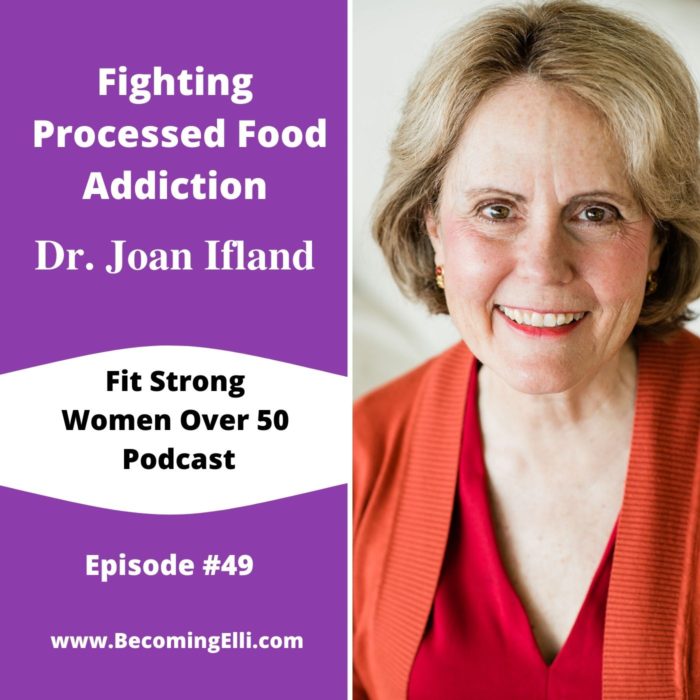
Fighting Processed Food Addiction with Dr. Joan Ifland

Fighting Processed Food Addiction – Episode 49
Download | Play in New Window
Please Subscribe: Apple Podcasts  (iTunes) | Google Podcasts | Android-Google Play | Stitcher | Player FM | Castbox | Tunein | Spotify | RSS

In Episode 49, Jill and Chris interview Dr. Joan Ifland, a processed food addiction expert. Dr. Ifland has been creating breakthroughs in recovery from food addiction since 1999, when her first popular book was published. In 2018, her textbook, Processed Food Addiction: Foundations, Assessment and Recovery was published. Her insights into fighting processed food addiction follow decades of research and are fascinating.

In this powerful episode we discuss:

What is processed food addiction?

  • The dangers of food addiction
  • The 11 questions to answer to discover if you have a food addiction
  • The six most common indications of addiction
  • A checklist of symptoms – Diagnostic Criteria for Addictions
  • What addicted eating looks like compared to non-addictive eating.
  • Why the triggers to eat processed food are so powerful
  • What happened after the tobacco industry purchased a significant part of food industry in the 1980’s.
  • The role of sugar, high fructose corn syrup, caffeine, salt, dairy, diet soda and artificial sweeteners in food addiction

How to stop eating processed foods

  • When it is better to wean slowly off of processed foods or go cold turkey.
  • Can processed foods be eaten in moderation? For instance, cheat days or special events?
  • What to expect when going through the withdrawal of processed foods (the first 4 days)
  • How to stay clean and avoiding relapse
  • Managing Withdrawal from Processed Foods
  • How to navigate holidays and special occasions that are filled with processed foods.
  • The role of cueing in food addiction and how to gain control.
  • Why mirror neurons can help or hurt us in fighting food addiction.
  • The importance of finding your tribe.

She created RESET WEEK, the first online live video program for withdrawal from processed foods.

Many resources were mentioned during the podcast. Some are directed to health professionals, others are for consumers and the general population.

Here is where you can find more education and resources for fighting processed food addiction:

  • Dr. Ifland’s website https://www.drjoanifland.com/
  • Food Addiction Resources http://www.foodaddictionresources.com
  • Facebook https://www.facebook.com/foodaddictionreset/
  • Instagram https://www.instagram.com/foodaddictionreset/
  • https://twitter.com/pfaddiction
  • The Addiction Reset Community (ARC) http://www.foodaddictionreset.com
  • Free services at her Facebook group called Food Addiction Education https://www.facebook.com/groups/1806154526275515/
  • Free resources and printable handouts http://www.foodaddictionresources.com
  • Grocery shopping list of unprocessed foods
  • Education and support by FAR-TV videos at Food Addiction Reset TV on YouTube

Making Homemade Hummus

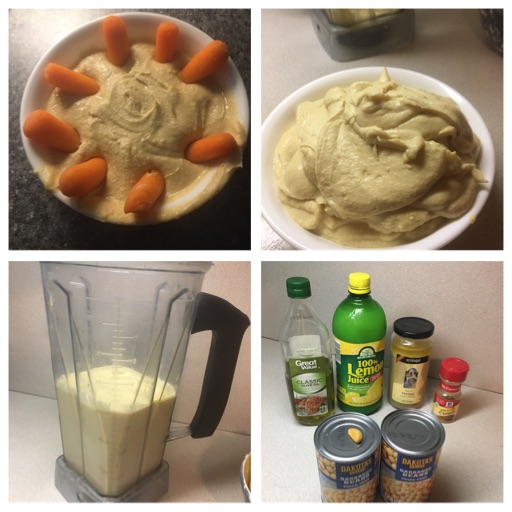
Last night I made homemade hummus and it was delicious. My only complaint with this recipe is that it makes so much! I got the recipe from my VitaMix cookbook but I modified it a little.

Ingredients:
Chickpeas (aka Garbonzo beans) two 15 ounce cans (one drained, one with liquid)
Olive Oil – 1 and 1/4 Tablespoons
Lemon Juice – 1/4 Cup of lemon juice
Tahini (or sesame seeds) – 2 Tablespoons of Tahini or 1/4 Cup of sesame seeds
Cumin – 1 teaspoon
Garlic – one clove peeled and mashed

Put it all in a blender. Turn on the power. I used the frozen dessert setting for about 2 minutes. It gets whipped into a very creamy texture. So delicious!

Nuun Sport for Replenishing Electrolytes

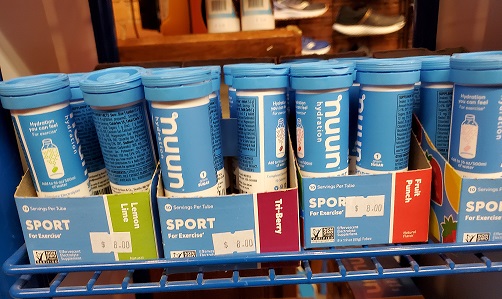
I first picked up a tube of Nuun Sport tablets at the expo for the Akron Marathon. Boy, do I enjoy a good race expo. You can see what’s new in the world of running and choose from a variety of products. Lots of gadgets and accessories galore. There’s also lots of energy gels and electrolyte options. I bought a tube of Nuun tablets from one of the exhibitors, along with some other goodies.

Nuun tablets are meant to be dissolved in your water bottle. They’re similar to Alka Seltzer in that you drop a tablet into water and it fizzes until eventually the tablet dissolves.

It can take a while for the tablet to completely dissolve. I find myself sometimes shaking the bottle, trying to hurry up the whole process. Come on, I want to drink this now! I suppose this means I should do a better job of planning how to use Nuun for replenishing electrolytes.

Nuun Sport

Nuun Sport

What do I like about Nuun? I like that it’s fairly light. The flavors aren’t overpowering. It also doesn’t have a lot of sugar or sugar replacements in it.  The Nuun website says that they were the first to separate electrolyte from carbohydrate replenishment. Therefore, all of the sugars that are in Gatorade or PowerAde aren’t part of Nuun.

I also like the fact that the tablets are scored so they can be cut in half. That way you can slide the tablet into a small opening or only use half a tablet.

Nuun comes in a small tube with a screw on lid. That makes it easily transportable and it can fit in a pocket or running belt. I did throw one into my purse and the lid eventually worked its way off and I had to rummage around to find the tablets and then throw them away. I do not want to eat anything that’s been bouncing around inside my purse.

Flavors

Apparently, this product is a success because their list of flavors continue to grow. Some of the flavors they currently sell are:

  • Cherry Limeade
  • Citrus Fruit
  • Fresh Lime
  • Fruit Punch
  • Grape
  • Lemon Lime
  • Mango Orange
  • Orange
  • Strawberry Lemonade
  • Tri-Berry
  • Tropical
  • Watermelon
  • Wild Berry

Ingredients

Each electrolyte tablet contains the following: sodium (360 mg), potassium (100 mg), magnesium (25 mg), calcium (13 mg), vitamin c (38 mg) and sugar (1g).

Serving Size: 1 tablet in 16 oz. of water

Potassium: 150 milligrams

Sodium: 300 milligrams

Calories Per Serving: 15

Notice that some of the flavors have caffeine in them.

You can check the website for ways to buy Nuun. I noticed that it’s available around me at running stores and grocery stores, including Walmart. So, they shouldn’t be too hard to locate. Plus, you can order them directly from the Nuun website: www.nuunlife.com.

I like Nuun Sport. The flavors that I’ve tried are light and refreshing. They don’t have that cloying taste of the sweeter drinks. Also, I like that it doesn’t have a lot of sugar or carbs. That way I can separate my need to replenish electrolytes and to refuel with carbs.

I do like the tube that they come in, even if it did fall apart in my purse. Lesson learned, don’t carry it around for weeks without using it.

There’s so many flavors that I’m going to have to try a new one.

Do you use Nuun Sport? What do you think? Let me know by commenting here or on our Facebook page. You can email me at jill@becomingelli.com.


Road Trip Challenges – Healthy Eating and Exercise

Last weekend I went on a getaway trip with my husband to enjoy the beautiful fall season in Ohio and Pennsylvania.

Viewing the red, yellow autumn leaves, spending time together while driving along the beautiful Pennsylvania countryside was refreshing for the spirit.

We both enjoy genealogy and tracing our family tree, so we spent quite a bit of time wandering around in small town and countryside cemeteries researching our ancestors and looking for clues.

Many of the stones in the cemeteries were from the 1800’s and were weather worn. It was difficult to read the inscriptions in some of the grave markers. I find that checking out the cemeteries is harder emotionally than just looking stuff up online in the census, birth and marriage records.

Sun shining on the leaves provided a cheerful alternative and gave balance to the seriousness of walking around in the graveyards.

The biggest challenge for me during the trip with car traveling is trying to eat healthy. Junk food abounds when you are riding on the turnpike. Here are some of my challenges and how I tried to overcome them.

Healthy Food
Car trips usually start out with the food we’ve packed. Fruit travels pretty well, but I always underestimate by bringing only a few items. Note to self – pack more good snacks in the little travel cooler next time.  After the hours and miles added up, it was time for a break.

Turnpike service plazas are very convenient for taking a short walking break, restroom stop and a quick snack. Convenience is the main thing. You don’t have to get off the turnpike and then drive all over the country side to find a gas station or something that will work. Plenty of well marked parking. The bathrooms are clean and plentiful.

The big challenge is finding healthy food!

So often those stops include many choices, but they are all questionable. Most everything is deep fried, or covered in cheese, filled with sugar or in a bag with a giant list of unpronounceable ingredients.

The food court: Starbucks, Popeyes, Burger King, Hershey’s, Famili Pizza. Each choice had the same thing in common – saturated fat, lots of sugar, no vegetables. Thinking back to my Weight Watcher days, I calculated some of the points as more than one day’s worth in a single serving. Getting my veggies was a super challenge here! A few mushrooms and some green pepper slices on a pizza was the closest thing to a vegetable… and that didn’t even contain enough to count as a full serving of one vegetable.

Three good choices:

  • We opted to go to the convenience store section of the plaza and buy almonds, apple, banana and orange. Fruit and protein snacks worked, but still, I was missing my vegetables.
  • I brought my own water bottles for the whole trip, because I knew it would be pricey and maybe not available when I needed it.
  • Near our hotel over the weekend we found a Panera where they had their fall food menu. I enjoyed the butternut squash soup and a warm grain bowl of veggies, brown rice and quinoa. I forgot how much I like their pumpkin spice soup.The grain bowls are new to me, but reminded me of a Cobb salad but substituting rice and quinoa instead of croutons and bacon. Also no iceberg lettuce either, just a little bit of arugula. I had the Mediterranean Warm Grain bowl.

Walking
Hours in the car helps you get to the places you want to see. The downside of many miles in the car is stiff knees, creaky back and that mind-numbing feeling of still moving when you are actually stopped. Getting out of the car for doing short hike or walk breaks made the trip fun and kept my joints happy. We reminisced about all the trips we did in our 20’s from Rhode Island to Ohio and back in a weekend.

Having my FitBit tracker reminded me that I never got my 10,000 steps on either day of the trip, but reaching three-quarters of my goal wasn’t bad, considering all the miles in the car. Each hour the FitBit reminded me with a little buzz on my wrist that I didn’t get enough steps while I was sitting in the car.

I can’t say that this was a weekend of exercise or of healthy eating, but I did enjoy spending time with my husband seeing the beautiful fall leaves and doing a shared hobby.

How do you exercise and eat healthy during a weekend road trip? Share your suggestions with me a Chris@becomingelli.com, on our Becoming Elli voice mail 330-970-6662 or leave a comment below.


Gatorade for Replenishing Electrolytes

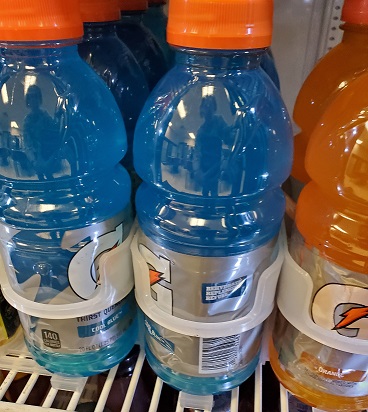
It’s hard to have a discussion about replacing electrolytes without mentioning Gatorade. I wrote about electrolytes recently and thought I’d talk about some of the different sports drinks on the market.  Gatorade created the market for sports drinks. It was created by a team of scientists to help the football coach at University of Florida. His athletes were training in the Florida heat and were struggling. Gatorade was created and the football players performed better.

Gatorade is now owned by Pepsi and is one of its best selling products.

Ingredients

According to the Gatorade website, the following ingredients are in the lemon lime flavored regular (original) Gatorade:

WATER, SUGAR, DEXTROSE, CITRIC ACID, SALT, SODIUM CITRATE,MONOPOTASSIUM PHOSPHATE, GUM ARABIC, GLYCEROL ESTER OF ROSIN,NATURAL FLAVOR, YELLOW 5

Here are the nutritional facts for a 20 ounce (591 mL) bottle:

Nutrition Facts

Serving Size 1 Bottle (591 mL)

Amount Per Serving

Calories 140

Total Fat 0g

Sodium 270mg

Potassium 75mg

Total Carbohydrate 36g

Sugars 34g

Protein 0g

Benefits of Gatorade

Most of us don’t need to worry about replacing electrolytes until we’ve been exercising for an extended period of time or are pushing ourselves at a higher pace. Of course, there’s also heat to consider. Basically, when you’re doing some heavy sweating, you probably should consider a sports drink.

Also, the sugar in the drink provides a boost in energy. It’s a quick and easy way to get sugar back into your body.

Gatorade answers both of these functions: energy and replenishing electrolytes.

Downside to Gatorade

Some people dislike Gatorade due to its use of sugar and food dyes. If you’re trying to follow a whole foods diet, this is probably not the product for you. Food dyes can be problematic for people.

The amount of sugar is pretty close to a serving of cola. So, it may have more sugar than you need for your sports performance.

To be fair, you’re going to find sugar of some kind in almost every sports drink. That’s part of drinking something to boost your energy.

Gatorade does also make a non-sugar version. It replaces the sugar with an artificial sweetener.

I think the downside is really that people think this is a healthy drink so they drink it as a regular beverage or they overestimate their activity and think they need this when a glass of water would probably be sufficient.

Parents give Gatorade to their children, thinking it’s a healthier choice but it’s not really all that different than giving them a soda.

Conclusion

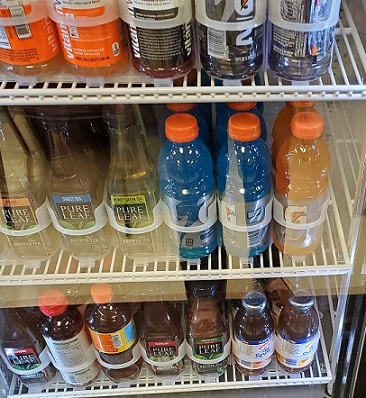
I just cruised through the lunchroom where I work and noted that there are four different kinds of Gatorade being sold in the cooler, next to cans of soda, juices, and coffee-based drinks. I can tell you that nobody here is working up that big of a sweat.

gatorade

If you need to replenish electrolytes, go ahead and have a Gatorade. It’s served at many races at the water stations. If you can be selective, there are other sports drinks or mixes that have fewer food dyes but Gatorade will certainly do what it’s intended for.

Chris wrote about using Gatorade when she’s biking or running in the heat. It works for her. What works for you? Do you have a favorite sports drink? Please let us know here on the website or on the Becoming Elli Facebook page. Feel free to email me at Jill@BecomingElli.com.

Replenishing Electrolytes

It seems like people are always advising me to work on replenishing electrolytes after I go for a long run or do any physical activity in the heat of summer.

People are also always advising us to stay hydrated but not to drink too much water without replenishing electrolytes.

Lots of advice for sure but what does it mean?

What are Electrolytes?

I knew that electrolytes are minerals in our bodies, such as calcium, magnesium and potassium but that’s about the extent of my knowledge. (I really should have taken more science courses in college.)

Here’s a great definition of electrolytes that I found on Medline Plus, which is a website of health information put out by the U.S. National Library of Medicine:

Electrolytes are minerals in your body that have an electric charge. They are in your blood, urine, tissues, and other body fluids. Electrolytes are important because they help

  • Balance the amount of water in your body
  • Balance your body’s acid/base (pH) level
  • Move nutrients into your cells
  • Move wastes out of your cells
  • Make sure that your nerves, muscles, the heart, and the brain work the way they should

Sodium, calcium, potassium, chloride, phosphate, and magnesium are all electrolytes. You get them from the foods you eat and the fluids you drink.

Hydration Fluctuations

A number of reasons can explain changing levels of electrolytes. You can have too little water in your body, which is called dehydration. Too much water in your body is called overhydration. Either situation affects your electrolytes. This can happen from taking certain kinds of medicines, nausea, diarrhea, sweating, and illness.

When I exercise intensely or in the heat, I sometimes end up feeling dizzy or faint. Sometimes I just end up feeling sluggish. I find myself thinking, “it feels like I’ve never run before.”  I end up replenishing my electrolytes and usually feel much better pretty quickly. Chris talked about different solutions for dealing with heat, including replacing electrolytes.

It’s thought that when we get cramps, particularly in our legs and often at night, it’s our bodies alerting us that we need to work on replenishing electrolytes. Other things can cause this, of course, but it’s worth trying if you’re dealing with this. Cramps can be so painful, they’re impossible to ignore.

Replenishing electrolytes

If you’re struggling with electrolyte problems due to health issues or medication, you should talk to your healthcare provider or pharmacist.

If you’re dealing with this because you’ve been working out, you can use a few different methods for replenishing your electrolytes.

First of all, food is your best source:

  • Bananas are a great source of potassium.
  • Dairy products are well known for their levels of calcium.
  • Green leafy vegetables can replace both magnesium and potassium.
  • Coconut water is considered to be a good source of electrolytes

Basically, if you eat a well-rounded diet of natural, whole foods, your body will get what it needs.

However, when you’re out running or biking or really pushing yourself in the gym, you may need to supplement with something. Don’t just drink lots of water because you can end up overhydrated which basically dilutes your electrolytes. You need to make sure you get what your body needs.

There are lots of ways to supplement. Probably the best known is drinking a sports drink like GatorAde or PowerAde. There are electrolyte mixes you can add to water and there are tablets you can dissolve in your mouth.

Replenishing Electrolytes

I’ll discuss some of these supplements in future posts so stay tuned!

In the meantime, let me know if you have problems with fluctuating electrolytes and what you do to resolve the problem. Leave a comment below or leave a phone message at 330-970-6662 or send an email to Jill@BecomingElli.com.

Corn on the Cob: Veggie Challenge

Corn on the cob is not a unique vegetable nor is it an unusual way of preparing corn. So, technically, it probably doesn’t count as an entry for the Becoming Elli Veggie Challenge.

I’ve been making it frequently over the past few weeks. Yes, I know that most corn is GMO and is high in carbs or sugar. It is usually not on the list of acceptable foods in most weight loss diets. However, it’s August in Ohio and it’s sweet corn season.

Some of my favorite childhood memories are of eating sweet corn in the late summer. I can remember my mother stopping at one of the local farm stands to buy corn for our dinner and how we all ate it with great enjoyment. We slathered butter and salt on it and devoured it. My father would eat several ears at a meal. There was a certain ritual about eating corn.

When I visited my relatives on their dairy farm in northwestern Pennsylvania, we would go out into the garden and pick ears of corn for dinner. Then we’d stand by the barn to husk the corn and throw the outer leaves into the heifer pens. Those cows loved the corn leaves.

Since this is the Becoming Elli community, most of you will remember that we didn’t get produce out of season very often when we were children. So, corn came into season and lasted for a month or two and then no more fresh corn for the year.

Now, I can buy corn on the cob almost year-round though I don’t think it’s the same thing. I don’t often buy it out of season. But, in both Ohio and Pennsylvania, corn is in season in August and lots of produce stands pop up and sell it. Also, there are farms that specialize in corn and they sell a lot of it in the summer.

You can cook corn on the cob in any number of ways. You can grill it, throw it in the embers of a camp fire, and microwave it in the leaves. I cooked it a couple times this summer in the Instant Pot but decided that I preferred the old-fashioned way of boiling a big pot of water and throwing the corn in for three to five minutes.  My mother instilled in me a horror of overcooked corn so I’m careful not to boil it for too long.

corn on the cob

There’s a lot of talk about emotional eating. I know that usually means we eat when we’re angry or sad or happy and that it’s considered to be an unhealthy habit. But for me, corn is emotional eating in that it reminds me of family and summer and happy times. A favorite memory is my familysitting at our picnic table enjoying our corn and Velvet, our Cocker Spaniel, sitting under the table, hoping some food would fall. I both miss those days and am grateful to have had them.

I have a friend who eagerly buys Silver Princess corn whenever she finds it. It reminds her of buying corn while on vacation with her family. You don’t find much of that variation in Ohio so she’s always happy when it shows up in our local farmer’s market.  So, I know I’m not the only person who associates sweet corn with family and summer and love.

Do you have regular, everyday foods that evoke that sense of nostalgia for you? I’d love to hear about them. Leave a message here or on the Becoming Elli Facebook page or email me at Jill@becomingelli.com.


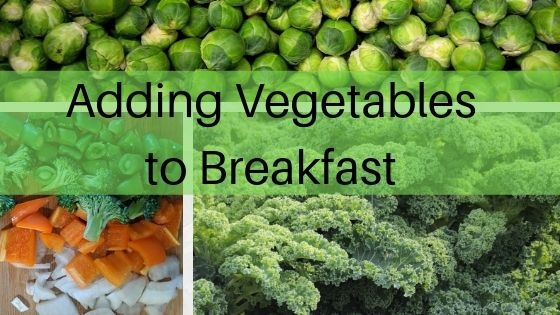
Adding Vegetables to Breakfast

So now I’m adding vegetables to breakfast? Really? Why?

Recently, I attended a talk by a local doctor and a health coach. They said most of us need to increase the amount of vegetables we’re eating and said we should get nine to ten servings of vegetables per day.

The only way I can see to do that is by adding vegetables to breakfast.

My typical lunch is a big bowl of salad with a lot of different vegetables on it. I usually start with a bowl of greens, preferably a mix of some kind of lettuce and spinach and then I might add some kale or micro greens in there too. Lunch easily gives me three to four servings of vegetables.

Dinner is when I’m most likely to have some meat or fish. I try to fill my plate with an assortment of vegetables, some raw and some cooked. I might have another salad and roast a variety of vegetables such as broccoli, Brussels sprouts, cauliflower, and sweet potatoes. So, I can again get three to four servings at this meal.

This leaves me a bit shy of the nine servings of vegetables.

So, I am working on adding vegetables to breakfast. There’s a variety of ways to do that. Sometimes I just reheat leftover roasted vegetables from the night before and maybe top them with a fried egg. This is a delicious meal.

I use my blender at times to make a breakfast smoothie and try to include a few vegetables and fruit in that.  Here’s a recipe I posted on my current version of a good smoothie. This smoothie is an easy way to get several servings of fruits and vegetables.

breakfast smoothie

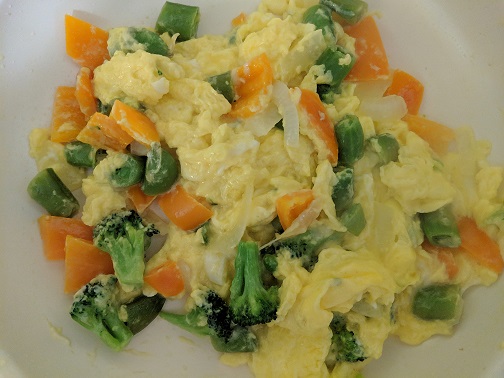
Another easy way to add vegetables is to make scrambled eggs with vegetables. Use whatever vegetables you have on hand, saute them, and scramble them with egg. A great way to start the day.

scrambled eggs with vegetables

How do you get all of the servings of vegetables you want to be eating? Is it difficult or a breeze? Let me know how you manage it or what you struggle with.


« Older posts Newer posts »

© 2026

Theme by Anders Noren — Up ↑