Fit Strong Women Over 50.

Tag: Intermittent Fasting

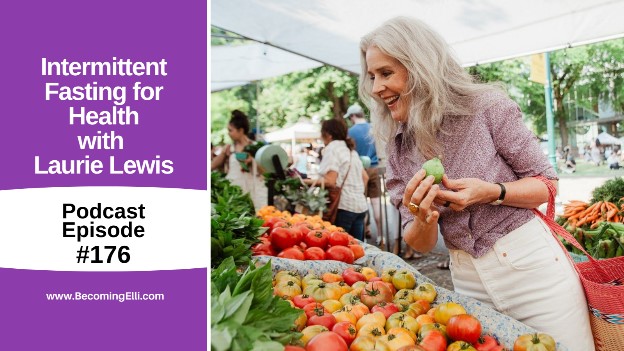
Intermittent Fasting for Health with Laurie Lewis

#176 – Intermittent Fasting for Health with Laurie Lewis

Download | New Window

In episode 176, Chris and Jill speak with Laurie Lewis, an Intermittent Fasting and Wellness Coach.  With intermittent fasting as the foundation, Laurie teaches how to break free from the punishment-diet paradigm we live in. She shows how to tune into our body’s inner compass, have a daily eating window, and experience improvements in every aspect of our lives.

Laurie has Health Coach Certification from the Institute for Integrative Nutrition. Her company is called Fast Forward Intermittent Fasting and she offers customized coaching services.

We discuss:

  • Why dieting doesn’t work
  • Why she feels so strongly that intermittent fasting for health is important
  • How many hours of fasting vs eating window to start and how to make changes
  • Clean eating and how that is important
  • Why flavored teas or flavored waters do not count toward fasting hours
  • How to use intermittent fasting as a way to maintain a weight loss
  • The importance of protein during peri and menopause
  • Why strength training is important

Links:

Website: https://fastforwardwellness.com/
Facebook: https://www.facebook.com/FastForwardWellness

If you enjoyed listening to our podcast you may also enjoy listening to podcasts from our podcasting partners:

Aging With Purpose and Passion
Women Over 70™ – Aging Reimagined podcast
Boomer Banter – Real Talk about Aging Well
Late Bloomer Living
Reinvention Rebels
Older Women and Friends


Other posts and episodes from Becoming Elli on Time Restricted eating:

Intermittent Fasting for Women Over 60
Intermittent Fasting Insider Ellen Britt
Intermittent Fasting Lifestyle with Gin Stephens


Fit, Fierce, & Fabulous with Karín Feltman

#134 Fit, Fierce, & Fabulous with Karín Feltman

Download | Play in New Window
Please SubscribeApple Podcasts  (iTunes) Google Podcasts | Pandora | Stitcher | Player FM Castbox | Tunein | Spotify | RSS | Amazon Podcasts | iHeartRadio |

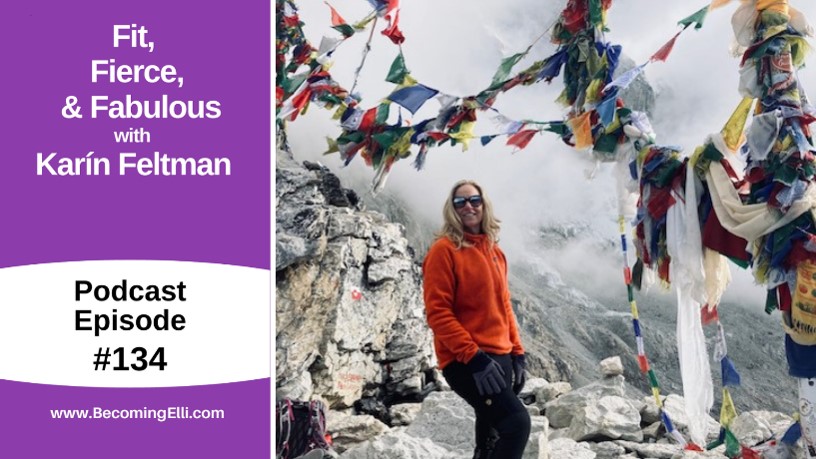
In episode 134, Jill and Chris talk with Karín Feltman, a registered nurse and the author of Fit, Fierce, and Fabulous Over 50! Her first book was Plant-based Basics. Her work focuses on holistic health for women over 50, with a particular focus on intermittent fasting and healing through nutrition.

She is a full-time cross-cultural worker in Nepal. She doesn’t always have access to the Internet so we’ve been waiting for a chance to talk with her. She graciously made time for us when she was available, technology-wise.

Karín was a hospital nurse for 23 years, before beginning work in relief provision and mission trips. She now works on empowerment projects for vulnerable girls and women in Nepal and uses her writing to help fund greater opportunities for the communities she works with.

She completed the VegHealth Nutrition Mastery Course with the VegHealth Institute, and continues her research on holistic health and healing.

Karín is a self-confessed foodie and loves discovering delicious new plant-based recipes, picking up fresh ideas from every new culture she visits.

Karin Feltman - 134 Fit Fierce and Fabulous Over 50

We discussed:

  • Her work in Nepal and why she chose that lifestyle
  • Tools needed to start intermittent fasting
  • Dealing with a chronic health condition
  • Why she wrote her book for women over 50 who want to prioritize their health
  • Getting enough protein on a plant based diet
  • Benefits of a plant based diet
  • Favorite recipes of hers that a quick, easy and healthy
  • What is anti-inflammatory intermittent fasting

Links:
Fit, Fierce, and Fabulous Over 50 on Amazon

Plant-Based Basics: An Easy to Follow, Step by Step Guide to Transitioning to a Plant Strong Diet and Lifestyle on Amazon

Intermittent Fasting Insider with Ellen Britt

Episode 116 – Intermittent Fasting Insider with Ellen Britt

Download | Play in New Window
Please SubscribeApple Podcasts  (iTunes) Google Podcasts | Android-Google Play | Stitcher | Player FM Castbox | Tunein | Spotify | RSS

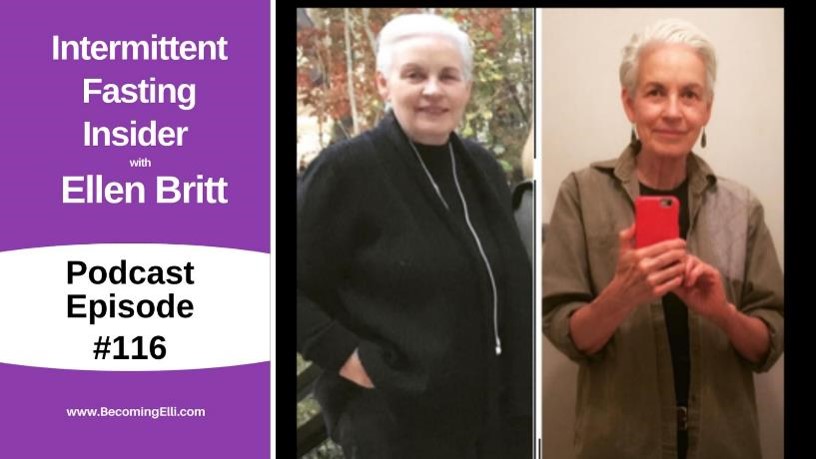
Jill and Chris talk with Dr. Ellen Britt, an intermittent fasting expert. She is the co-founder and principal writer of The Intermittent Fasting Insider, a bimonthly newsletter that brings her audience the most compelling developments in intermittent fasting as well as innovation in practices that can be stacked with IF.

She also co-facilitates with her colleague Denise Wakeman an 1800 member free Facebook group for entrepreneurs interested in intermittent fasting, as well as their latest paid membership project, The Longevity Experience.

Ellen has over two decades of experience as a PA in emergency and occupational medicine. She holds a doctorate (an Ed.D.) in biology, as well as a Master’s in Clinical Psychology. Ellen lives and works just south of Atlanta, Georgia.

You may remember our interview with Denise Wakeman: Adventure Travels with Denise Wakeman

During this episode we discussed:

  • Various types of intermittent fasting
  • Research findings concerning the health benefits of intermittent fasting
  • Which type she recommends for women over 50
  • Medical reasons for not doing an intermittent fasting regime
  • How to get started with intermittent fasting
  • The easiest hours to do an intermittent fast
  • How long to do an intermittent fast
  • Using intermittent fasting with other eating plans like paleo, keto, or vegan

Links for more information:

The Intermittent Fasting Insider, a bimonthly newsletter
Facebook group for intermittent fasting

Intermittent Fasting for Women Over 60

Intermittent fasting is one of the most popular trends right now in eating. People are using IF for both weight loss and health benefits.

Intermittent fasting is really an umbrella term for a variety of ways of fasting. Most often, people are really referring to Time Restricted Eating. This is where you avoid eating during a period of time. It can be as short as not eating after dinner and then having breakfast first thing in the morning. It can be longer than that, where you fast all day and then consume all your calories in a single hour. Most people who I hear talking about time restricted eating probably have a 16 to 18 hour window of non-eating, with a 6 to 4 hour window of eating.

Chris and I talked with Gin Stephens about Intermittent Fasting and she provided us with lots of information. If you are interested in learning more about it, I recommend  listening to our podcast episode, Intermittent Fasting with Gin Stephens.

Is time-restricted eating effective for post-menopausal women? There’s lots of discussion about IF for the general population but women over 50 tend to have unwanted weight gain so this might be a good option for them.

While I was reading some articles about IF, I came across a study published in the International Journal of Environmental Research and Public Health. It addresses weight loss for women over 60.

Intermittent Fasting for Women Over 60

The study enrolled 45 women over the age of 60. The women were randomly assigned to either the control group or to the group instructed to fast for 16 hours. The women assigned to the IF group were told to fast from 8 PM until noon the next day. Neither group was told to change what they ate, but only to change when they ate.

After six weeks, the women who fasted for 16 hours had a loss of about three pounds (1.4 kilos) and fat mass. The control group had no loss of weight. Compliance to the time-restricted eating was good with 88% of the women completing the study. No negative results were reported.

This study only lasted six weeks so the small amount of weight loss is not surprising. Also, it’s worth remembering that the study made no changes to the food the women ate.

This was a small study but appears to indicate that Intermittent Fasting (or Time Restricted Eating) can be a good tool for women trying to lose weight.

I also think it’s great to see studies being done of older women. It’s unusual for studies to be of women over 50, or 60 in this case. It’s unusual to see a study on Intermittent Fasting for women over 60.

Intermittent Fasting with Gin Stephens

Intermittent Fasting Lifestyle with Gin Stephens – Episode #58

Download | Play in New Window
Please SubscribeApple Podcasts  (iTunes) Google Podcasts | Android-Google Play | Stitcher | Player FM Castbox | Tunein | Spotify | RSS

In episode 58 of the Fit Strong Women Over 50 podcast, Jill and Chris interview Gin Stephens about her experiences with a intermittent fasting lifestyle. Gin Stephens is the author of Delay, Don’t Deny: Living an Intermittent Fasting Lifestyle.

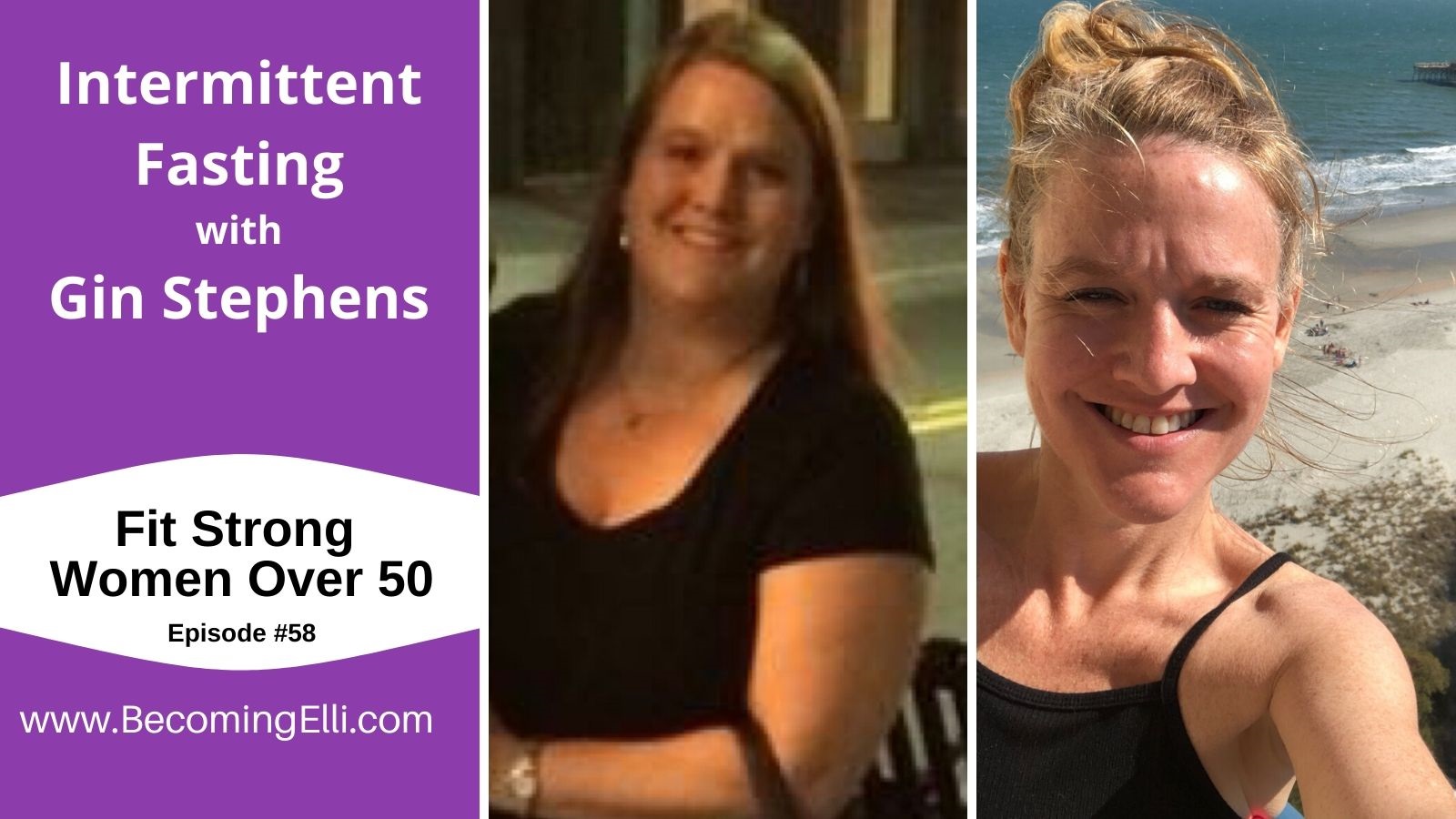
Gin has been living the intermittent fasting lifestyle since 2014. This lifestyle shift allowed her to lose over 80 pounds. She has launched her intermittent fasting website, four Facebook support groups, four self-published books, and two top-ranked podcasts—Intermittent Fasting Stories and The Intermittent Fasting Podcast.

Her newest book, Fast, Feast, Repeat will be available in June 2020.

Gin graduated from the Institute of Integrative Nutrition’s Health Coach Training Program in 2019. She earned a Doctor of Education degree in Gifted and Talented Education (2009), a Master’s degree in Natural Sciences (1997), and a Bachelor’s degree in Elementary Education (1990).

In today’s podcast we discussed:

  • How does intermittent fasting work with weight loss?
  • Intermittent fasting and maintaining a weight loss
  • Recommendations for starting intermittent fasting
  • What to eat while you’re practicing intermittent fasting
  • How certain flavored beverages can interrupt a clean fast
  • Strength training, running and cycling with intermittent fasting

Fast. Feast. Repeat. on Amazon
Gin Stephens Website
Follow Gin on Instagram

Click here for more on our Becoming Elli website about Intermittent Fasting and Dawn Maloney’s experiences with intermittent fasting.

Sustaining Weight Loss using Vegan Eating & Intermittent Fasting

Sustaining Weight Loss using Vegan Eating & Intermittent Fasting  – Episode 52
Download | Play in New Window
Please SubscribeApple Podcasts  (iTunes) Google Podcasts | Android-Google Play | Stitcher | Player FM Castbox | Tunein | Spotify | RSS

In episode #52, Dawn Maloney is interviewed about sustaining her weight loss. Dawn is wife, mother, realtor, and mostly vegan intermittent faster.

With 130 pounds fluctuation between her highest adult weights, Dawn needed to find a sustainable eating and movement lifestyle to help her consistently live a healthy life.

Through intermittent fasting, plus a nearly 100% vegan lifestyle, she has finally found the balance she wanted.

Topics and resources we discussed:

Recipe: Making Rice or Grains in the InstantPot

  • 4 cups of rice and lentils (or the grains you want to use)
  • 5 cups of water

Cook for 15 minutes in the instant pot. This makes enough for several meals so good for meal prep days. She likes to put the rice or grains over greens and eat with with salsa and beans

Dawn holds a pair of pants that she used to wear.

To reach Dawn:
Website: Dawnsold.com
Facebook: www.facebook.com/dawnsmile
Instagram: www.instagram.com/therealdawnmaloney

Review of The Obesity Code

The Obesity Code: Unlocking the Secrets of Weight Loss by Jason Fung, MD answers a lot of questions we’ve all had about both weight loss and weight gain. It’s a well-written, easy-to-follow book that explains why so many of us are overweight or obese and why when we lose weight, we’re likely to regain what we’ve lost.

The Obesity Code begins with a look at the past few decades and how obesity has become an epidemic. Fung does a great job of explaining the science in terms that we can understand. I rarely felt like I needed to start skimming because I couldn’t understand.

Basically, according to Fung, we can pretty much pick a diet and we can work hard at losing weight and eventually we can take off the weight. Most of us then begin to slowly put the weight back on and sometimes put even more weight on. This is because our weight is really the result of hormones, especially insulin.

Because we’ve eaten so many simple carbs and processed foods and eat so many meals and snacks, many of us have become insulin resistant. That makes our bodies release more insulin and it’s insulin that makes us gain weight.

The Obesity Code covers why we’re so overweight and why “eating less and moving more” doesn’t work. Eating less makes us tired and often slows down our metabolism. Moving more makes us eat more. Basically, the body wants to weight what it wants to weight. Unfortunately, our unhealthy food choices makes our bodies want to be overweight.

Fung does come up with five basic steps of weight loss. This is not a diet book, however. It does not give you menus or recipes. Instead it discusses what to eat and what not to eat.

Interestingly, Dr. Fung points out that we all worry about what to eat but we don’t think much about when to eat. He says the advice to eat small meals every two or three hours is disastrous. Also, he dismisses the idea that breakfast is the most important meal of the day. He says, if you’re hungry, eat when you get up. Otherwise, wait until you’re hungry.

He ends the book by discussing fasting as a way to reset your body’s set point for weight. There are various different ways of doing intermittent fasting and he covers most of them. I just recently wrote about intermittent fasting so was glad to read about it.

I thought The Obesity Code was fascinating. It’s easy to read and understand and really makes sense of the weight problems most of us deal with. I wished there was a bit more information about fasting in this book.

Because the book has been around for a couple years, there’s a lot of information online about it so you can find more advice on the fasting that way. Oh, and Timothy Hoakes wrote the foreword, which I thought was great.

The Obesity Code: Unlocking the Secrets of Weight Loss
Disclosure: this review links to the Amazon affiliate program, where a portion of a purchase might help offset the expenses associated with the podcast and website.

Intermittent Fasting for Weight Loss and Health

Everywhere I turn, I run into someone saying that intermittent fasting is the thing to be doing. I’d say it’s just a trend but a number of doctors and medical experts seem to be recommending some version of intermittent fasting.

Intermittent Fasting is not a diet. It does not involve what you choose to eat but when you eat it. Most doctor’s and nutrition experts will recommend that if you’re going to try intermittent fasting, you should still eat in a healthy fashion. Don’t let the fasting make you think that stuffing yourself with cheese curls is a great way to break a fast.

In The End of Alzheimer’s, Dr. Bredesen recommends an intermittent fasting plan. He suggests that you at least have a 12 hour window of fasting, which means you should have a 12 hour period of time each day of not eating. So, if your last meal or snack is at 7 PM, you can have breakfast at 7AM.  If you’re snacking at 11 PM, guess what? You’re supposed to wait until 11 AM to eat. To be honest, Dr. Bredesen says you should avoid eating in the 3 hours before going to bed, so you wouldn’t be snacking at 11. He says it might be even better to aim for 14 to 16 hours of fasting. Basically, if your last meal at the end of the day ends at 8 PM, you don’t eat until 10 AM. You can check out my review of this book.

So, all those people who said over the years, I don’t want to eat breakfast were perhaps on to something.

I’ve seen similar recommendations from Dr. Steven Masley, Dr. Mary Hyman, Dr. Perlmutter, and others.

Benefits of Intermittent Fasting

Why should we practice intermittent fasting? What’s the benefit to us? Well, a number of medical studies have shown that fasting helps us:

  • improve our mental health
  • lose weight
  • lower our risk of developing a chronic disease.

It helps with weight loss. There is the basic fact that if you’re omitting a meal each day, you’ll probably eat less. But there’s some evidence that this actually increases your metabolism. Also, intermittent fasting helps your body burn fat as energy which of course leads to weight loss.

Besides weight loss, intermittent fasting reduces the insulin resistance in our bodies which lowers our risk of type 2 diabetes.

Intermittent fasting also helps improve our mood and our memory. It’s supposed to be good for cognitive health.

Types of Intermittent Fasting

The method of intermittent fasting that I described above can also be called a time restricted fast. You eat every day but just limit the hours when you eat.

Intermittent Fasting

Related to the time restricted fast is the One Meal a Day plan. You can guess what this is…you eat once a day. Obviously if you’re eating one meal a day, you’d better make sure it’s a good one. I’ve met a number of people who eat this way and they claim to have lost a lot of weight and to like eating this way.

There’s also a 5:2 plan. Two days a week, you eat a restricted diet of about 500 calories and a normal number of calories the remaining 5 days.

There’s also a monthly fasting plan where once a month you reduce calories for 5 consecutive days to about 35 to 50 percent of your normal caloric intake. So, you normally eat 2,000 calories a day, you would reduce that to 700 to 1,000 calories for 5 days in a row.

Finally, some people fast for 24 hours at a time, a couple days a week.

Best Practices with Intermittent Fasting

Before you start fasting, make sure you don’t have health issues to prevent this. Women who are breast feeding should be careful with fasting. Also, if you suffer at all from any eating disorders, you might want to avoid fasting of any kind. If you are under a lot of stress, it’s probably not the time to add a major change in your eating patterns. Why introduce more stress?

If you’re not sure if you’re a candidate for trying intermittent fasting, check with your doctor.

Once you decide that you want to try intermittent fasting, keep a few things in mind.

  1. Remember to drink your fluids. Water, calorie-free drinks, black coffee, and green or herbal tea are probably all fine for you. Be sure you stay hydrated while fasting. Also, sometimes we feel hungry when we’re really thirsty.
  2. Get plenty of sleep. Your body needs sleep to repair itself. Sleep helps with cognitive health as well as physical health. Plus, while you’re sleeping, that fasting time goes by a lot faster.
  3. Be careful with working out when you first start. While your body is adjusting to fasting, you probably don’t want to also decide to take up some heavy duty workout regime. Be patient and let your body adjust. Then you’ll be able to tell how much working out you can handle in a fasted state. If you’re doing the 2:5 method, consider those two days of restricted calories as your rest days.
  4. Make sure you’re eating nutrient-dense foods when it’s time to eat. If you’re not eating for an extended time, you really want to make sure you’re getting your vitamins, minerals, fiber, fat, protein, and so on in your food.


© 2026 Becoming Elli

Theme by Anders NorenUp ↑