Fit Strong Women Over 50.

Tag: Protein

Changing Habits: Making One Change at a Time Works Best for Me

Have you ever tried to lose weight, gain muscle, add some new habits, quit bad ones, exercise more and meet all your goals at once. To me, that’s overwhelming!

When I first started my journey to better health in 2007, I felt like I had to change everything at once—my eating habits, exercise routine, sleep, and even my mindset. It seemed overwhelming and unattainable.

For years, work and family responsibilities had been my top priority. Once my kids were grown and off to college, I suddenly had the space to focus on myself, but I wasn’t sure where to begin.

Finding Structure and Accountability

One of my first steps was joining Weight Watchers. Looking back, I think the real benefit wasn’t  about counting points—it was the consistency of showing up for weekly meetings and tracking what I was eating. That structure gave me accountability. Still, each small change felt like a challenge, and some changes were harder than others. No one ever said that changing habits is easy

Over time, persistence paid off. I eventually reached my goals, and now I focus on maintaining and continuing to improve my health. These days, instead of trying to overhaul everything at once, I take a “one change at a time” approach. I’ve learned that piling on too many new habits usually leads to burnout.

For example, I’ve been experimenting with reducing butter in my meals. My swaps include homemade hummus, cream cheese, or even extra virgin olive oil. Each option has its pros and cons—flavor, texture, calories, nutrition, and convenience all play a role. Some swaps stick; others don’t. And that’s okay

In the beginning, my biggest focus was cutting back on pizza, pasta, and fried foods at dinner. Now, I rely on tools like the MyFitnessPal app, which helps me track what I eat in terms of meals and calories. More importantly to me it helps me measure and track macros (protein, carbohydrates and fats), water intake, and portion sizes. Paying attention to balance, rather than restriction, has helped me to stay consistent, feel more in control, less deprived and stay with it.

Small Changes Add Up

One of the most important lessons I’ve learned is that food changes don’t have to be drastic. In fact, to me small changes over time are better. I’m trying to build sustainable habits that fit my lifestyle. I find that the key is experimenting, finding what feels good, and continue with the changes that support long-term health.

One of my long term goals is to be fit and strong. To me, it means having muscle and stamina.

Eating enough protein is important to maintain muscle.  We’ve published a lot about eating enough protein and the effects of muscle loss as we age. Research shows that our needs increase as we age to help maintain muscle mass and strength. The right amount depends on activity level, size, and overall health. (Here’s a helpful resource from Harvard Health on muscle loss and protein needs in older adults.  National Institute of Health published a study of Dietary Protein in older adults.)

How much protein do I eat? Currently based on my height, weight, health and activity level, I’m finding that 72-75 grams of protein feels right. I used to eat more, I used to eat less. When I workout more, I find I need more.

How do you approach making changes?. Do you do baby steps like me? Or are you more likely to go cold turkey, rip the bandaid off and make a big change? Please leave a message in the comments below.


Beyond the Basic Bowl: Creative Ways to Use Quinoa

So you’ve jumped on the quinoa bandwagon (welcome to the club!), but you’re getting tired of the same old quinoa-and-vegetables routine. I get it. Even superfoods can get boring when you’re eating them the exact same way every single day. The good news? Quinoa is way more versatile than most people realize. There are some creative ways to use quinoa in your cooking. Chris and I have written about quinoa before and came up with some good ideas but you can always use more.

Quinoa is a good source of vegetarian protein so it’s worth trying to figure out ways to use it creatively.

First up, let’s talk breakfast. Quinoa porridge is a game-changer for anyone looking to switch up their morning routine. Cook quinoa in milk (dairy or plant-based), add some cinnamon, vanilla, and a drizzle of maple syrup. Top it with fresh berries and nuts, and you’ve got yourself a protein-packed breakfast that’ll keep you full until lunch. You can even make it the night before and heat it up in the morning.

Feeling fancy? Try quinoa pancakes. Just blend cooked quinoa with eggs, a banana, and a splash of milk. The result is fluffy, protein-rich pancakes that don’t require any flour. They’re naturally gluten-free too, which is a nice bonus.

For lunch and dinner, think beyond the bowl. Quinoa makes an excellent stuffing for bell peppers, zucchini, or tomatoes. Mix it with herbs, diced vegetables, and maybe some cheese, stuff it into your veggie of choice, and bake. It’s like comfort food that happens to be incredibly nutritious.

Quinoa salads are where things get really interesting. Unlike lettuce-based salads, quinoa salads actually get better as they sit, making them perfect for meal prep. Try a Mediterranean version with cucumber, tomatoes, olives, and feta. Or go Mexican with black beans, corn, avocado, and lime dressing.

Here’s something most people don’t think of: quinoa burgers. Mash cooked quinoa with some beans, add an egg to bind everything together, season it up, and form into patties. They hold together surprisingly well and have this great nutty flavor.

You can even use quinoa in desserts. Quinoa chocolate bark with nuts and dried fruit is surprisingly addictive. Or try quinoa energy balls mixed with dates, nut butter, and cocoa powder.

The key with quinoa is seasoning. On its own, it’s pretty neutral, but that means it plays well with whatever flavors you want to throw at it. Whether you’re going for Mediterranean, Asian, Mexican, or just plain comfort food vibes, quinoa is happy to go along for the ride.

There are plenty of creative ways to use quinoa so stop thinking of it as just a rice substitute and start seeing quinoa as the culinary chameleon it really is.

Getting Your Protein Fix: The Vegetarian Way

One of the first things people ask when you go vegetarian is, “But where do you get your protein?”  It’s like they think protein only exists in chicken nuggets and steak. Spoiler alert: it doesn’t! There’s actually a whole world of delicious, protein-packed foods that don’t involve any animals whatsoever.

I’m not actually vegetarian so I don’t get asked this question but I’ve been told this is a common question. I’ve also heard people say they can’t go vegetarian because they can’t get enough protein. I don’t think that’s true.  I’m trying to include more plants in my daily diet and that includes getting protein. I know there are plenty of protein sources that don’t include animals. Chris and I have discussed protein and written about it on the blog.  I’m not sure we’ve ever focused completely on vegetarian protein.

Let’s start with the obvious superstar: beans and legumes. Black beans, chickpeas, lentils, and kidney beans are basically nature’s protein pills. A cup of cooked lentils gives you about 18 grams of protein, which is comparable to a serving of chicken or hamburger or three eggs. Plus, beans and legumes are incredibly versatile and can be used in a variety of ways. Throw chickpeas into a curry, make a hearty lentil soup, or mash up some black beans for killer veggie burgers.

Then there’s quinoa, the grain that thinks it’s a complete protein (and technically, it is). Unlike most plant proteins, quinoa contains all nine of the essential amino acids that your body needs. It’s like the overachiever of the grain world. Cook it up as a side dish, toss it in salads, or use it as a base for Buddha bowls.

Don’t ignore nuts and seeds either. Almonds, peanuts, hemp seeds, chia seeds – they’re all packing serious protein punch. Two tablespoons of peanut butter gives you about 8 grams of protein, which makes your morning toast feel a lot more substantial. I often skip nuts and seeds because they’re also calorie dense but a reasonable portion is a good source of protein and makes for a nice snack or addition to your salad.

Tofu and tempeh deserve their own shoutout. I know, I know – tofu gets a bad rap for being bland, but that’s actually its superpower. It takes on whatever flavors you throw at it. Marinate it, fry it, scramble it, or blend it into smoothies. Chris has told us on the podcast how much she enjoys tofu. She admitted that she is now able to eat it plain as a snack.

Tempeh, tofu’s fermented cousin, has a nuttier flavor and even more protein. You can use it as a meat substitute in sandwiches and salads.

Even some vegetables are surprisingly protein-rich. Spirulina, nutritional yeast (it’s cheesier than it sounds), and even regular old spinach contribute to your daily protein goals.

The truth is, as long as you’re eating a varied diet with plenty of whole foods, getting enough protein as a vegetarian isn’t rocket science. Your body is pretty smart about combining different protein sources throughout the day to make sure you’re getting everything you need.

So the next time someone asks about your protein intake, you can smile and tell them about your amazing lentil dal or that incredible tempeh stir-fry you made last week.

Lunch of Veggies with Protein

I had an awesome lunch over the weekend of veggies with protein. It was delicious. It seems like all the vegetables are becoming ripe and are really tasting especially good to me right now. Maybe it is just that time of year!

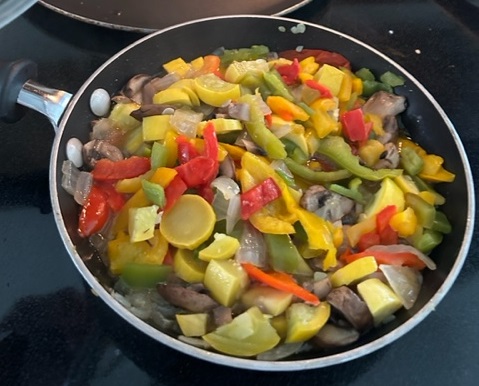
By this photo you might think I didn’t get enough protein ,but I added a couple of ingredients at the end of cooking and after I took this photo that really boosted the protein levels in my meal.

Here’s my recipe for these delicious veggies. No surprise, I sautéed them on the stove.

To prepare this meal, first I pulled out the cutting board and a sharp knife. Heated up the pan with some extra virgin olive oil.

Chopped and sliced the following veggies:

  • Onions
  • Peppers: red, orange, yellow, (forgot to get green peppers)
  • Yellow Squash
  • Celery
  • Mushrooms

The onions went into the heated olive oil first because it took them the longest to cook. I sautéd all the vegetables over medium heat and after it started really cooking, I added a little bit of water, then covered it and turned down the heat to low.

I put the mushrooms in very last because they so cook much faster.

Adding Protein
In order to get more protein I added some tofu and some feta cheese. Tofu has a lot of protein (9 grams of protein in a 3 oz piece.) And the feta cheese added some great flavor. I added a little salt and pepper to taste. This meal was really delicious. Tons of colorful vegetables, so I am “eating the rainbow” and getting lots of veggies. #veggiechallenge2032

These vegetables are are fairly typical, probably the only unusual ingredient was the tofu, which I don’t usually have on my shopping list.

Tofu takes on the flavor of the other foods and it didn’t take much for it to take on the flavor of the vegetables in olive oil. So if you’ve thought about trying tofu in your meals, this might be a good way to try it. I usually slit the top and drain it. There’s a lot of water in the carton.

I cut it like a checkerboard into probably 25 pieces, at least 16 pieces. And when storing it in the refrigerator, I place it in a gallon zip lock sandwich size baggie. It’s got a consistency that is thicker than yogurt or pudding, but similar texture. It’s probably not something to eat plain, just by itself unless you really love it.

Do you like tofu? How do you prepare it or add it to recipes? I’d love to learn new ways of eating it as I think it’s a really good protein for me.

Protein Bars of 2019 Podcast

Episode 38 of Fit Strong Women Over 50

Download | Play in New Window
Please SubscribeApple Podcasts  (iTunes) Google Podcasts | Android-Google Play | Stitcher | Player FM Castbox | Tunein | Spotify | RSS

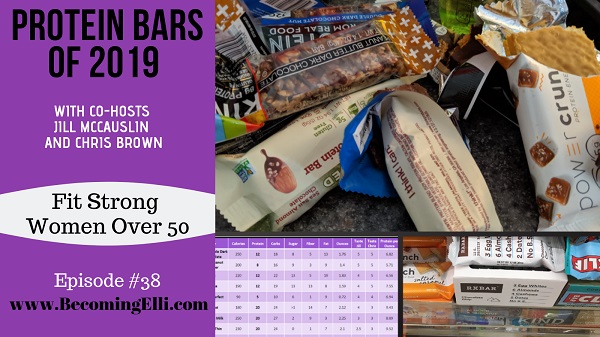
In episode #38 of Fit Strong Women Over 50 podcast, Jill and Chris compare 11 popular Protein Bars of 2019 with protein, carbs, fiber and of course taste.

Find out which ones we liked the best… and the worst!

*We purchased these bars ourselves, nothing was donated to us. All comments are our own and we were not paid for this review.*

Protein Bars of 2019 Comparison Chart - Fit Strong Women Over 50 Podcast episode 38

Open a link to this image of the Protein Bar Comparison Chart found here.

Download to print a PDF of the Protein Bar Comparison Chart here.

We discuss the pros and cons of protein bars of 2019 and evaluate 11 different bars:

  • Kind Double Dark Chocolate
  • Kind Peanut butter
  • Rx
  • Luna
  • Zone Perfect
  • Quest
  • Muscle Milk
  • Think Thin
  • Power Crunch
  • Think Brownie
  • Think Thin Plant

We review the numbers and the taste of each one of these bars. The results surprised us and they may surprise you too!

If you are interested in making your own bars, click here for Melanie Jatsek’s bar, here for Heather Lentz’s bar or here for a variety of other homemade protein bar recipes.

Did we include your favorite bar? Let us know. Disagree with our taste test? Let’s talk about it! You can reach us at our voice mail 330-970-6662 or send an email to Chris@becomingelli.com. You can also find us on our social media accounts @becomingelli. It’s also easy to leave a comment below.

Healthy Snacks

Chris and I have decreed Monday to be recipe day in the Becoming Elli world. Why? Who knows but we like it. Rather than give you a recipe today, I’m going to list some snacks that I enjoy, just to give you some fresh ideas.  I try to include protein with my carbs in my healthy snacks. Some fat is usually a good idea too.

Here are some healthy snacks that I enjoy:

  • Hummus with sugar snap peas. You can use any vegetable or combination of vegetables you want but I love a snack of sugar snap peas with hummus. Fantastic!
  • A handful of nuts. This works but if you’re too hungry, it’s easy to eat more nuts than you probably want to eat in one sitting.
  • Apple with peanut butter. Really, this is perfect. If you avoid peanuts, switch the peanut butter to almond butter.
  • Celery with peanut butter. I know you have to be careful with peanut butter because it is high in calories but it does taste good.
  • Cheese stick. Yes, just like the ones you used to give your 10 year old child.
  • Plain yogurt with berries. If you give plain yogurt or plain Greek yogurt a chance, you’ll learn to like it.  You can also add some granola to this.healthy snacks
  • Hard boiled egg
  • Even better, deviled eggs!healthy snacks
  • A few of my famous oatmeal balls. See the recipe I shared earlier.
  • Tuna salad wrapped in romaine lettuce.
  • Cottage cheese, if you eat dairy. You could add some fruit to this.
  • Pumpkin seeds
  • Shrimp cocktail. I sometimes buy just a few shrimp at the grocery store and then enjoy them as a snack.
  • Sardines! Just eat them right out of the can if you want.
  • Sweet peppers stuffed with goat cheese. I buy these from my local grocer.
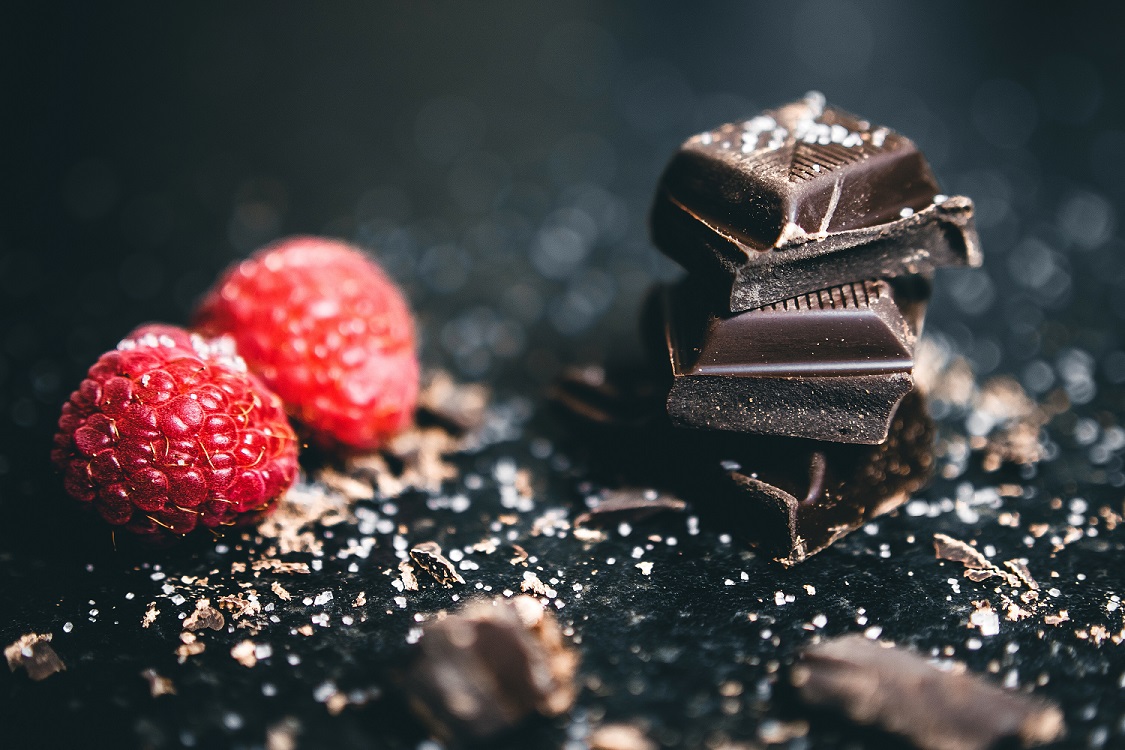
  • Dark chocolate with a cup of tea
  • A small serving of oatmeal
  • Some baked beans. These actually make a good snack. Avoid brands that are high in sugar.
  • Soup: heat a bowl and enjoy!healthy snacks
  • Kind bars. I love these things and they’re what I buy if I have to grab something at a store for a snack.

These are just some ideas. What have I missed?

High Energy, Easy to Make Protein Oatmeal Balls

I created these as a snack for someone who has food allergies, avoids sugar, and wants protein mixed in with carbs. He uses them as an energy snack. Chris and I tried them on a long run and they work pretty well. Because the balls are small, they’re easy to carry for a run and they’re easy to eat while on the trail.

These oatmeal balls are easy to make and pretty tasty, considering there’s not much in them. They are dairy free and sugar free. If you use gluten free oats, they would also be gluten free.

I don’t use sugar or sweeteners and with the banana, I don’t think you need it but if you wanted it sweeter, you could add some honey or whatever you want to use.

You could easily doctor these up with raisins or chocolate chips or nuts but I haven’t tried that yet. If you want to increase the fat, use whole eggs instead of the egg whites.

The recipe can be doubled or tripled and the amounts are flexible. If you don’t have much apple sauce, increase the egg whites.

I used these oatmeal balls last summer as a running snack. They’re small enough that you can pop them in your mouth and have a tasty bite of energy.

So, here you go. Here’s the basic recipe. Remember that you can expand this by simply increasing the ingredients. This is a very forgiving recipe.

Oats, apple, egg whites, applesauce, and bananas

Ingredients

Ingredients

2 bananas (the riper the better)

1 cup natural applesauce

½ cup egg whites

½ tsp cinnamon (you can definitely increase this)

2 to 3 cups old fashioned or quick cooking oatmeal (not instant and not steel cut)

1 apple, peeled, cored, and diced

Diced apples

Apples

Directions

Preheat oven to 350.

Line cookie sheets with parchment paper. Note: foil won’t work. The balls stick to the oatmeal. I suspect it’s because there’s no fat in them.

Mash the bananas with a mixer.  Add the applesauce, egg whites, and cinnamon and blend well.

Oats in mixer

Mixing ingredients

Add 2 cups of oatmeal. If the mixture is very wet, add the final cup.

Mix in the diced apple.

Drop small balls onto the cookie sheets. I use a small melon baller but spoons would work. There’s no leavening ingredients in this so the balls will not expand.

Bake each tray for 10 to 12 minutes. Remove from oven when the balls look darker or golden brown.

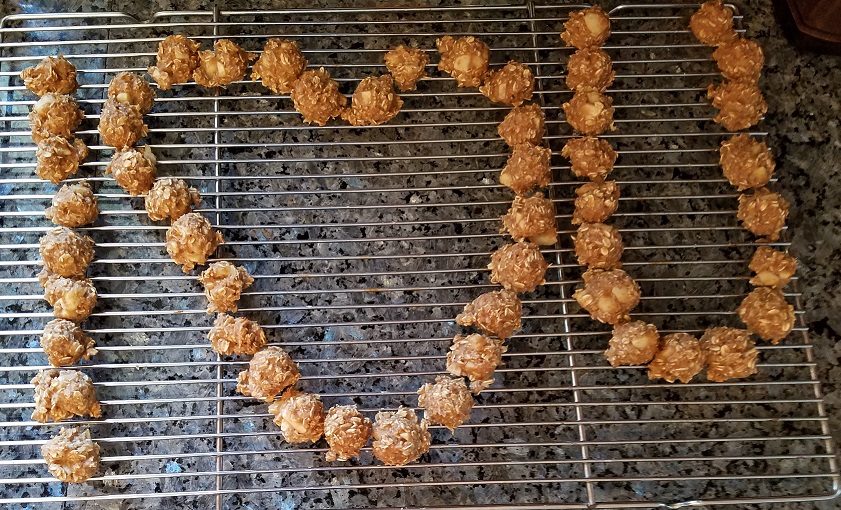
Slide each oatmeal ball onto a cooling rack.

These freeze well. Leave out some to eat over the next day or two but freeze the rest. These balls have no preservatives in them and only last  two or three days.

Cooked oatmeal balls

Finished product

© 2026 Becoming Elli

Theme by Anders NorenUp ↑