Category: Food and Drink (Page 9 of 10)

Scrambled Eggs with Vegetables Recipe for Veggie Challenge

Scrambled eggs with vegetables is just about the easiest breakfast imaginable. The only thing easier would be omitting the vegetables and just having scrambled eggs but then that wouldn’t work for the veggie challenge, would it?

I often order a vegetable omelet when I breakfast at a restaurant but I struggle to make omelets as good. This dish is similar but easier. There’s something about starting with day with this dish that just makes me feel like I’m off to a good start.

Scrambled Eggs with Vegetables

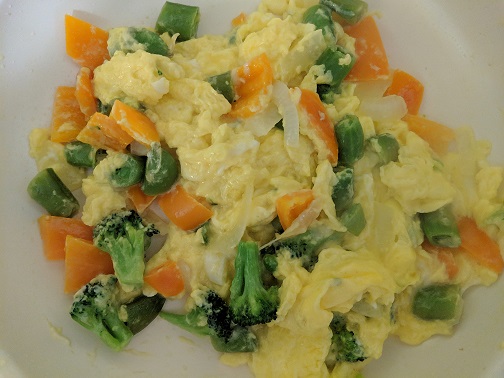
Assemble the vegetables that you have on hand and chop them into small pieces. Try to make them as close to the same size as possible. In this photo, I used onion, bell pepper, broccoli, and sugar snap peas.

scrambled eggs with vegetables

Break two or three eggs into a bowl and whisk until the yolks and whites are blended.

Melt some butter or oil in a small frying pan over medium heat.

Add the vegetables and saute until tender.

Add the whisked eggs and gently fold the eggs as they cook. When the eggs are done to your liking, transfer to a plate.

Salt and pepper to taste.

Enoy your breakfast of scrambled eggs with vegetables.

Notes

If you eat dairy, cheese is a great addition to this dish. You can use cheddar, swiss, or pepper jack cheese. Again, whatever you have on hand is fine.

Greens would be a good addition to this dish. If you have kale or spinach or some other type of greens, consider adding some to the vegetables. Spinach cooks more quickly than most vegetables so you should add it after the other vegetables have started to become tender.

You can also top this dish with some salsa if you have it. That’s an easy way to add even more vegetables to the dish.


Bean and Vegetable Reunion Salad – Veggie Challenge

Bean and Vegetable Reunion Salad

This salad was made for the family reunion I attended on Saturday. Of course I made something for the veggie challenge. Although there are not any new vegetables in this salad, all the fresh vegetables are balanced with lots of protein with many types of beans. It makes the salad more colorful, too!

Delicious, pretty and healthy!

I made a whole lot of this salad and only about half of it was eaten. There were about 75 people there, so I expected to see more of it gone. My son said that people are “afraid” of vegetables. I’m not quite sure what he means by that. I think maybe they were more afraid of the beans and the potential for gas. I do know some people don’t each much fiber and something that has as much fiber as this salad is too much of a risk for them. Meanwhile, all the fried chicken, sausage with sauerkraut, sloppy joe, pulled pork, pizza and fudge was devoured.

I like to prepare this salad in a huge bowl so it is easy to mix, without all the ingredients falling onto the counter top. I open the cans (for the beans) or chop (for the vegetables) and add each item as I go. Because I find that it is too easy to mix too vigorously and break the beans or mush the vegetables, I like to remind myself to just “turn” the ingredients, instead of mixing the ingredients.

Beans:
Open each of the 15 oz cans, drain, rinse and rinse again.
Pat dry the beans to eliminate the extra water before adding to the mixing bowl.

  • Black beans
  • Kidney beans
  • Garbonzo beans – also known as Chick peas. I used 2 cans in this salad
  • Cannellini beans – Put these in last because they break if they are stirred too much

Vegetables:
Chop each vegetable so it is smaller than bite size.

  • Sweet onion
  • Red pepper
  • Yellow pepper
  • Orange pepper
  • Green pepper
  • Celery
  • One can of corn

Usually I don’t add corn to a veggie salad, but for this bean and vegetable reunion salad, I think it needed the color. Corn looks good against the black and kidney beans.

Bean and Vegetable Reunion Salad

If I was going to do it again, I’d add a peeled and seeded chopped cucumber, along with chopped olives and grape tomatoes quartered.

Dressing:

  • Olive Oil
  • Cider Vinegar
  • Lemon Juice

Generously pepper the top. I skipped the salt because there were so many items from cans which tend to have lots of sodium.

Mix (turn) it all together and refrigerate overnight. This gets all the flavors melding together. Place into a pretty bowl. This salad traveled well sitting on an ice pack with another ice pack on the top. While this salad doesn’t technically have to be refrigerated, I think this bean and vegetable reunion salad tastes better when it is somewhat chilled.

The temperature at the outdoor family reunion was in the high 80’s, so I was glad I brought something that could be on the table without worrying if the dressing had turned.

What is your favorite dish to bring to a family reunion?

Snap Peas – Veggie Challenge

Snap Peas are crunchy and delicious. Although the peas are inside, you can eat the pea pod as well.

I think their name comes from the way you prepare them. It doesn’t take much. You snap the stem off and pull the thread like fiber that runs down the side of the pea pod to prepare them. I also cut them into four pieces or so to make their size more like a bite size and match the rest of the salad.

I put them in my potluck salad and they added a perfect crunchy texture.

Here’s what is in the salad:

  • Celery
  • Carrots
  • Broccoli
  • Cauliflower
  • Blueberries
  • Yellow peppers
  • Cucumbers
  • Olives
  • Snap peas

Dressing: Olive oil, cider vinegar, and lemon juice. I don’t usually measure carefully, but put enough into the bowl to coat the vegetables without drowning them!

Salt and pepper to taste. I think having it sit in the refrigerator for a few hours made it absorb more of the dressing. The beauty of this potluck salad is that you don’t have to worry about refrigerating it and things going bad. It makes a great salad to put out on the table for the afternoon buffet at a potluck.

Gotta admit I love, love, love this salad! And I think I know why: it has all the taste sensations! Bitter – salty – savory – sweet – sour… Plus zesty, zippy, crunchy, and the blueberries even added a little bit of creamy.

Next time I will consider adding some protein with maybe tuna, walnuts or quinoa.

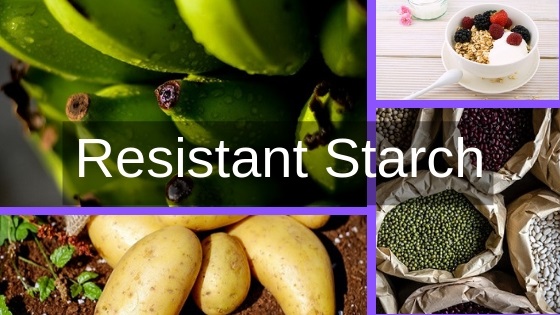
What is Resistant Starch and Why Should We Eat It?

Let’s talk about resistant starch. What is it? Why should we eat it? What do we eat to add it to our diet?

We had a mini-Becoming Elli outing a couple weeks ago and went to see a screening of The Gut Movie. The website adds a subtitle of A Story of Poo and the Future of Medicine. The documentary was an interesting look at research on the microbiome which is the microorganisms living in our intestines and the effect it has on our health. If you have the opportunity to see this movie, take it. I think we all learned something new from watching it.

Here on the Becoming Elli website, we’ve discussed the benefits of eating fermented foods for our bodies and our microbiome. In The Gut Movie, they talked about the benefits of fermented foods and resistant starch. I knew some things about this from reading some recent health foods but in our conversation after the movie, I realized that this is probably worth discussing.

What is Resistant Starch?

Resistant starch is found in carbohydrates that our digestive system doesn’t digest. Instead, this starch passes through the stomach and small intestine and ends up in the large intestine where all of that bacteria live. The bacteria, especially the good kind apparently, loves this type of starch and they digest it and release good enzymes to our bodies.

Eating resistant starch helps to prevent a number of health problems or helps our bodies deal with already existing health problems. Studies indicate that this starch may help to lower your blood sugar levels after meals and help to improve your insulin sensitivity. Because this resistant starch has lots of fiber, it can also help with weight loss and controlling appetite.

Where Do We Find Resistant Starch?

Some good sources of are:

Oats

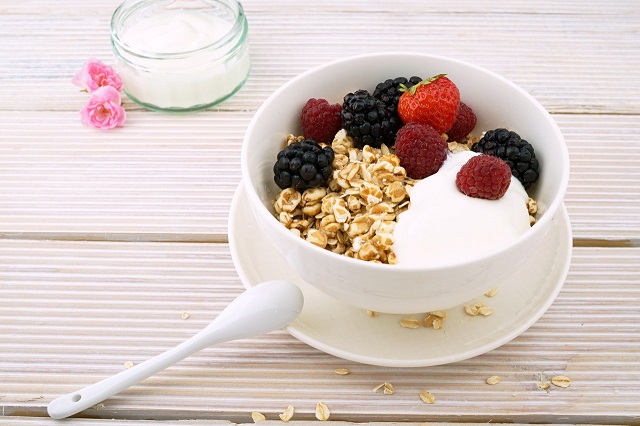
Cooked oats provide some resistant starch but apparently cooking the oatmeal and then letting it cool increases the amount of starch. This makes me wonder if oatmeal cookies are a good source. If nothing else, my recipe for oatmeal balls suddenly sounds even healthier than I thought.

Raw oatmeal is also high in resistant starch so try making overnight oatmeal instead of cooking the oats. Overnight oatmeal is where you soak the oatmeal in yogurt or milk or nondairy milk overnight in the refrigerator.

Potatoes

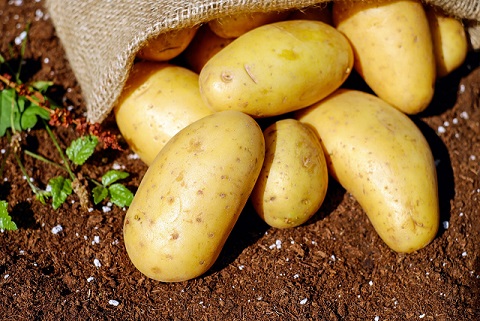
The best way to get resistant starch from potatoes is to cook them and then to let them cool. Think potato salad. Or a cold baked potato, I guess, but that doesn’t sound appetizing to me. I think we need to add a good recipe for a healthy version of potato salad to the Becoming Elli website.

Raw potatoes also provide resistant starch. I remember loving to eat raw potato as a kid. I’d beg my mother for a slice of potato. Now, this doesn’t appeal so much to me. If this appeals to you, great. Otherwise, check out the raw potato starch described below.

Rice

Rice is similar to oats and potatoes. It needs to be cooked and then cooled to get the full amount of resistant starch. This makes sushi seem like a good source of resistance starch. I’ve read that you can reheat the rice without destroying the resistant starch.

I don’t think raw rice is an option.

Beans and Legumes

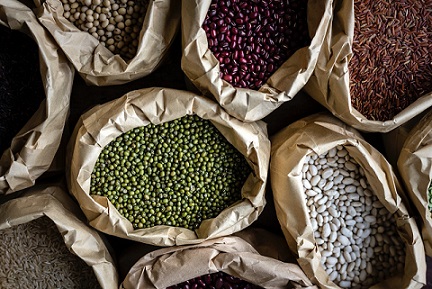
Make sure you cook your beans and legumes thoroughly. These are a good source of resistant starches and apparently you don’t have to cool the beans first to reap the benefits.

Green Bananas and Plantains

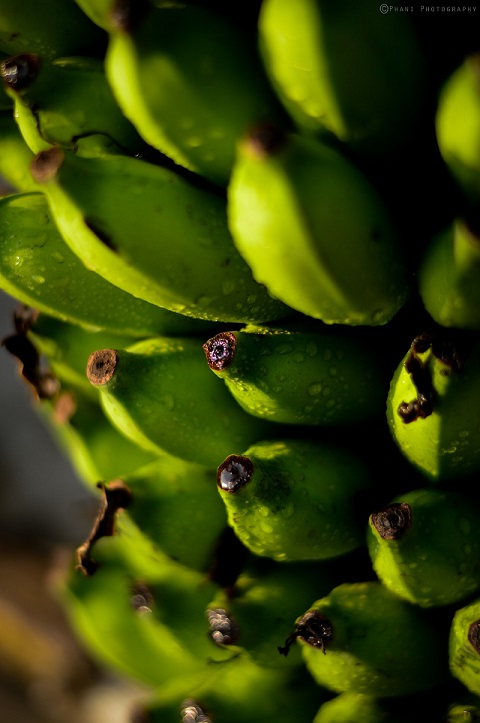
The greener the banana, the more resistant starch it has. I’m not a fan of green bananas but maybe try to eat them before they’re fully ripe. As the banana ripens, the resistant starch turns into sugars like fructose and sucrose.

Raw Potato Starch

You can buy bags of raw potato starch. It’s a flour-like substance that can be mixed into smoothies or drinks or added to foods such as yogurt. Don’t heat the raw potato starch so if you decide to add it to soup, do so after you’ve heated the soup. Basically, you treat this as a supplement to increase the amount of resistant starch you get. If you decide to use this, start slowly and gradually increase to 2 to 3 tablespoons per day. You want to avoid overwhelming your digestive system by adding too much too quickly.

Basically, the resistant starch and  fiber are related so be sure to drink lots of water if you decide to increase your consumption of these foods. Also, start slowly to give your body time to adjust.

Have you been trying to increase resistant fiber in your diet? What’s working for you?

Dirty Dozen and Clean Fifteen

Since I’m trying to do a new veggie each week, I’d be remiss not to talk about the Dirty Dozen and Clean Fifteen.

Although this has been a thing for a while, I’m still trying to get on board. The “dirty dozen” and the “clean fifteen” are ways to deal with the about pesticides that are so difficult to wash off of the fruits and vegetables. These guidelines (which basically is just a list of foods) are a great place to know when to buy organic and when it is safe to buy regular.

Today’s post was prompted by a recent food report that  found some multiple samples of kale with 18 types of pesticide residue. Yikes! And kale is listed as number 3, meaning strawberries and spinach are worse offenders.

This list of dirty dozen is actually what I call a baker’s dozen with 13 different fruits and vegetables

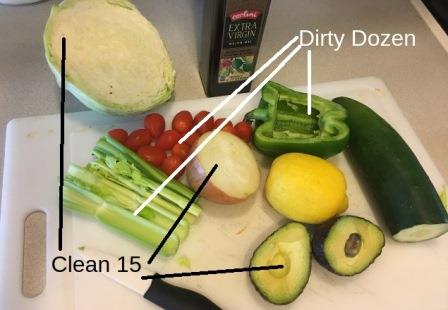
The dirty dozen are the fruits and vegetables that have too much pesticide residue, washing doesn’t remove it and buying organic is a better solution. The clean 15 are okay to buy non-organic.

Dirty Dozen (buy organic)

  1. Strawberries
  2. Spinach
  3. Kale
  4. Nectarines
  5. Apples
  6. Grapes
  7. Peaches
  8. Cherries
  9. Pears
  10. Tomatoes
  11. Celery
  12. Potatoes
  13. Sweet Bell Peppers

Clean 15

  1. Avocados
  2. Sweet Corn
  3. Pineapples
  4. Sweet Peas Frozen
  5. Onions
  6. Papayas
  7. Eggplants
  8. Asparagus
  9. Kiwi
  10. Cabbage
  11. Cauliflower
  12. Cantaloupe
  13. Broccoli
  14. Mushrooms
  15. Honeydew Melons

I live in an area that has many choices of fruits and vegetables year round. And it’s not always apparent which ones to buy. Just like most things, price is one of the biggest factors. But now, as I continue to commit myself to getting fit and strong, keeping poisons out of my system has become more important.

It’s hard to realize the huge role pesticides play because it’s very cumulative.

Animals eat treated food. Genetically modified foods have some sort of effect. Pesticide residue is difficult to remove from some foods. I try not to be crazy about my food, but even if this was exaggerated and there are only 4 types of pesticides, that has got to do something to my body!! (Some of the grapes and strawberries I have seen in the stores are two or three times the size we grow at my house!)

Okay, so if you have trouble remember which fruits and vegetables are on which list, you may download this list of the Dirty Dozen and Clean 15 I typed up for myself. It is not a PDF, it is in Word. That way you can change it around as suits your shopping list! On my personal shopping list, I like to highlight what I’m going to buy. Either way, you can also cut out the list of the Dirty Dozen/Clean 15 and carry the little chart when you’re shopping.

The photo I used was from a salad I had a few weeks ago. (Full disclosure, the only thing I bought organic was the avocado because they were ripe. But I’m trying to do better.) Notice the cucumber and the lemon didn’t make the list. Although I’m guessing it would be better to peel the cucumber and not zest the lemon. Just guessing here.

Do you follow the Dirty Dozen/Clean 15 recommendations? Do you have a good way to remember them? Maybe a little song or something?

Free Range Eggs – What Does That Actually Mean?

Some of you may know that my husband and I keep chickens. They’ve been known to make a vocal appearance from time to time in the Fit Strong Women Over 50 podcast. They like to announce when they have just laid an egg – at least that is what I think they are saying!

I love the idea of farm fresh free range eggs.

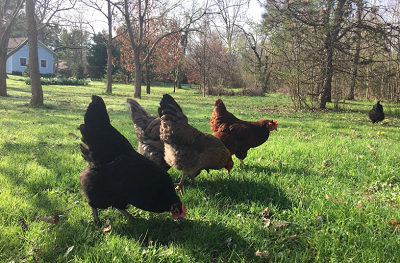
What does that mean exactly? At our house, free range eggs means that the chicken run free, at least some of the time.

I will say, it is safer for chickens to stay in a pen. Ours are always penned in at night! When they are locked inside the pen, no hawks, owls, possums, raccoons, dogs and other predators are going to get them.

There isn’t a strong definition for free range. The idea is free range chickens eat bugs, worms and natural protein. I get a lot of questions about our chickens and will attempt to answer some of them here.

Some questions people like to ask me about the chickens:

  • Do they have different colored shells and do those taste different?
  • How many eggs to chickens lay?
  • What’s the difference in the eggs?
  • Do they only eat worms and bugs? what about when snow is all over the ground?
  • How much free counts as free range?
  • Why are store bought eggs better for hard boiled?
  • Do you have a rooster?

When they are free ranging, we keep the coop door open so they can come and go as they please. It helps in gathering the eggs. If the chickens have a place to lay so we aren’t doing an Easter egg hunt every time we gather eggs. free rabge eggs

They lay just about every day when there is lot of sunshine and warmer temperatures. It seems like they lay only about once a week when there is little sunshine. Considering the cost of chicken food and all the equipment, it is so so much more economical to buy eggs at the grocery store.

Fair Weather Fowl
In the winter with snow covering the ground, they stay penned in and eat only the pellets and corn we provide to them. They are not interested in going out when it gets cold, windy, snowy or rainy.

Do they have different colored shells and do those taste different? Yes different breeds have different colored shells. Rhode Island red chickens have a reddish brown color shell. Leghorns, white. Americanas, greenish blue. free range eggs in a carton
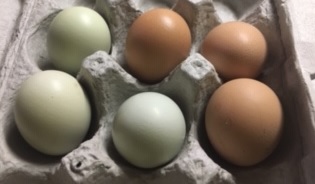
Although I’ve not noticed a difference in color or taste between the different breeds of chickens, I have noticed the color of the yoke is much richer on free range. And they taste much better too. I’ve noticed that store bought eggs have a yellow to light yellow color yoke, but our chickens lay rich deep orange color yokes.
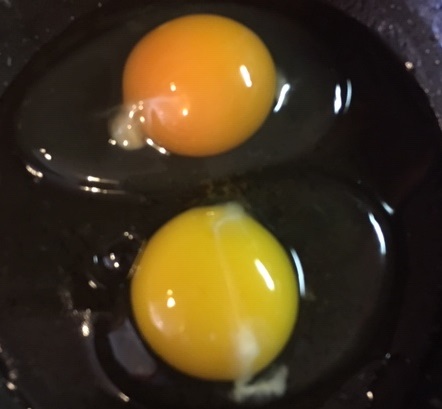
Taste: the yokes of the free range chickens taste much more full and creamy.

While on a nice sunny day, our chickens get to run around outside their cage, free range chickens are not without their challenges. Chickens can fly. Some people trim their wings.

Our chickens haven’t learned where the property line is. We have a split rail fence in the front of the house with a 3 foot flower bed with forsythia bushes, azelias, PJMs, burning bushes and Japanese iris. This helps to keep the chickens from going near the road. However our back yard is mostly open on the one side which tends to have the chickens wander over the the neighbors in search of greener pastures. The neighbor two doors away owns two mastiff dogs. Not aggressive dogs by any means, but obviously having chickens pecking around in their sight line but just over their invisible fence is not optimal by any means.

Our two dogs have been trained not to chase the chickens. The cats don’t seem very interested in them.

None the less, we try to keep the chickens interested in the land on our property by turning over the gardens on the close side of the house. They love taking dust baths in a dusty part under the overhang of our bay window.

Pecking Order
Sometimes the hens are feeling peckish, especially when they are bored. How much outside time do free range chickens need outside? Well, that is debatable. When they are penned up too much, they tend to resort to the Pecking Order. This means one poor hen is the bottom of the list. And usually the Queen Bee hen leads the picking and pecking on her. Nasty. They peck until it bleeds. Something about the color red makes them gang up on the lowest chicken. We had to send one of our Buff Orpington hens to another flock because she was so picked on. Now the other Buff Orpington is getting pecked, but not near as bad as her sister.

Sometimes free range is somewhat contained in a rolling or movable coop or fence. That doesn’t solve the pecking problem, but does give them some change in scenery and food.

Another difference that I’ve noticed between commercial eggs and our chicken’s eggs. There are much thinner shells on our chickens. Our chickens are about a year older than any commercial chicken. I’m sure that commercial eggs come from chickens that have been given something to increase the thickness of the shells. I’m sure this helps with travel. Especially since I’ve broken egg shells just walking the 150 feet up to the house from the coop. Pretty messy! I think you can feed them calcium to make their shells harder, but that’s just one more thing we’re buying and feeding to them.

I’ve heard you can crush the old eggshells to feed it back to the chickens to help their shells harden.  We don’t want to get them used to the taste of egg shells as we’ve had problems with some of our chickens in the first flock pecking and eating their eggs.

No roosters.
In our first batch of chickens, the flock had two roosters. Crowing when it is still dark in the morning was annoying. Roosters attacking when I was trying to gather eggs was dangerous. They ate a lot and obviously did not provide any eggs.  For the last two flocks we’ve had, we made sure to not get any roosters. When you buy chicks there are no guarantees of sex, but if you pay more the flock may have an 80-90% chance of hens. Not sure how they can tell the difference until the chickens are older. We bought ours three years ago as peeps when they were just 2 days hatched.

While I usually enjoy the chickens, it is work. You’ve got to live somewhere that allows chickens. Don’t try to figure the cost per dozen eggs or you’ll be sad.

If you want farm fresh, free range eggs, be willing to spend about $3 or $3.50 a dozen from a farmer’s market. You’ll still be getting a bargain!
Shredded Zucchini – Veggie Recipe of the Week

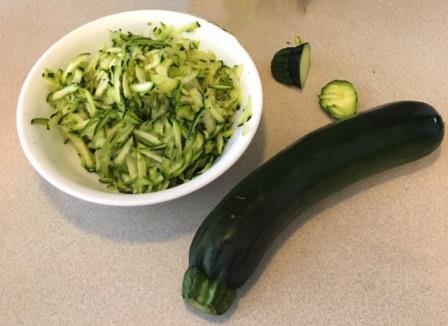
I love zucchini and usually slice it into rounds. Today I used a grater and shredded it into bits. I added it into my salad to bulk it up with more vegetables.

Besides adding it to a salad, zucchini is also good to add to a stew or a soup.

Other people like make it into a side dish. It is easy, just saute the shredded zucchini in olive oil, scramble an egg into it and stir in some freshly ground Parmesan cheese.shredded zucchini with a grater

I may try shredding some apples and combining the shredded zucchini with a tart dressing for an apple-zucchini slaw.

This week’s veggie challenge brings ways to use the zucchini with several ideas for shredded zucchinis including salads, stews, soups and with eggs.

Twelve Ways to Eat More Vegetables

One thing that stands out in the podcast episodes we’ve had with food and nutrition experts is that everyone, regardless of what else they recommend, seem to recommend eating more vegetables. The nutrients and fiber that vegetables provide to our bodies are invaluable. The different colors of vegetables provide different nutrients which is why we’re often instructed to “eat the rainbow.” Chris and I often share vegetable recipes. If you check out our ebook, Fitness Food, you’ll see most of the recipes include vegetables.

Plus, we’re having the One New Vegetable a Week Challenge in the Becoming Elli community. You can either try a new vegetable or prepare one in a new way.

Not to continue to harp on vegetables, but let me share one more post about them. It’s one thing to talk about trying new vegetables or cooking them a new way, but we also need to eat a lot of them. And most of us get tired of doing the same old thing so here’s some ideas on how to work more vegetables into your meals easily and without additional fuss.

Twelve Ways to Eat More Vegetables

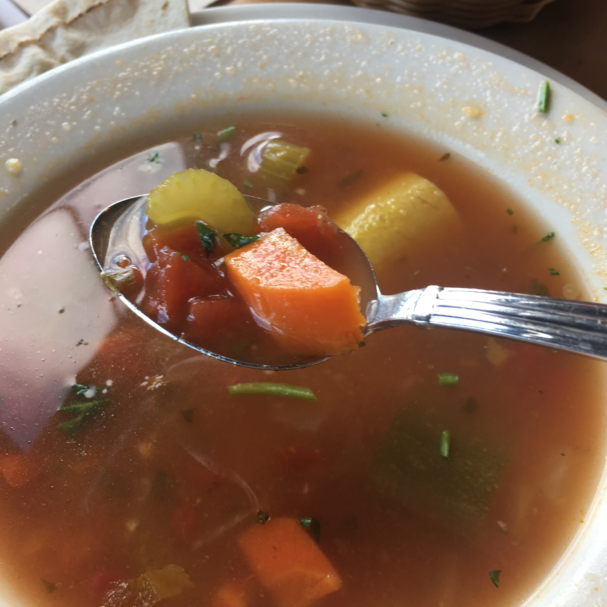
  1. Make vegetable soups. There are lots of great recipes for soup that use lots of vegetables. You can make traditional vegetable soup. Chris provided such a recipe recently. You can also vary things. For example, you can blend vegetables in the broth to thicken the soup and eliminate the need for cream.
  2. Join the cauliflower bandwagon. You can buy cauliflower “rice” and pizza crust. Of course, you can make your own but sometimes buying the prepared versions is easier. Replace your regular rice with cauliflower. Replace your pizza crust with the cauliflower crust.
  3. Add veggies to your smoothies. If you like to start the day with a smoothie, be sure to add lots of veggies to the blender. I usually add whatever I have on hand but a typical smoothie for me includes a carrot, greens such as spinach or kale, and maybe some beets or cucumber. I think veggies like broccoli and cauliflower have a pretty strong flavor for smoothies so I tend to avoid them here.
  4. Roast whatever you have on hand. I love roasted vegetables and they’re so easy to make. I cut up any of the following:
  • Brussels sprouts
  • Onions
  • bell peppers
  • sweet potatoes
  • red potatoes
  • Sugar snap peas
  • Kale
  • Cauliflower
  • Broccoli

Once chopped, I coat with oil (olive oil, coconut oil, avocado oil, whatever you prefer), salt and pepper them, add any other spices I want and then roast in the oven at 425 or 450, stirring every ten minutes or so and cooking until the vegetables are crisp on the outside.

  1. Include vegetables in your breakfast. You can do this by making vegetable omelets or frittatas. You can also just add vegetables to scrambled eggs. Sometimes I heat up leftover roasted vegetables and serve with a fried egg on top. If you’re more of an oatmeal person, try making a savory oatmeal and include vegetables in it.
  2. Replace pasta with veggie noodles. You can make your own with a spiralizer or many stores now sell veggie noodles. Experiment with the different kinds and see what you like. I enjoyed making spaghetti with zucchini noodles last summer. It was tasty.
  3. Add vegetables to your meatloaf or hamburgers. Be creative and add as many different kinds as you can. You can cram a lot of vegetables in with that ground meat.
  4. Add an extra vegetable to your dinner. Many of us were raised on the “meat, starch, and vegetable” dinner plate. Consider changing that to “meat, vegetable, and vegetable” or “starch, vegetable, vegetable.” I find adding an extra vegetable to dinner to be a great way to get in another serving of vegetables.
  5. Add whatever vegetables you have to your salad. Be creative! Also, remember that it’s perfectly ok to eat salad more than once a day.
  6. If you’re making chicken, tuna or egg salad or even potato or pasta salad, add more vegetables to it. Chop up onion and bell peppers and add. Celery and carrots also work well and add some lovely crunch.
  7. Making a sandwich? Replace the bread with greens. Once you’ve made the tuna or chicken salad mentioned above, wrap it up in a leaf of romaine lettuce or some other kind of green. It’s a great way to serve a sandwich.
  8. Make snacks out of vegetables. Chop them up and make oven-roasted fries or chips. These can be a great way to have a snack and get in an extra serving of vegetables.

There you have it. Twelve ways to eat more vegetables. I know there’s lots more so I hope you’ll share some of your ideas.

Embracing Vegetables with a Delicious Vegetable Soup

Vegetables are primarily carbohydrates (not a lot of fat or protein), but the fiber, flavor and undeniable vitamins in vegetables make them a “go-to” food choice for most people wanting a healthy diet.

In 2019, we kicked off the Vegetable Challenge at the Becoming Elli Community with Jill’s blog post and also talked about it in this week’s podcast. We realize that trying one new vegetable a week – 52 new vegetables in 2019 – may be difficult for those who have been working on increasing vegetables intake for years, so we modified it a bit.

Jill has found some vegetables that she has never tried before with purple Brussel sprouts. That is saying something, because she’s adventuresome when it comes to trying new things!

I’m planning on trying to cook my vegetables in a new way. So far I’ve been falling back to my favorite ways of eating vegetables – chopping them up into a salad with olive oil, cider vinegar and lemon juice… or tossing them in olive oil and roasting in the oven. These two ways are very ingrained in meal prep for me now.

I was thinking about my vegetables when when I had the V9 soup for lunch at my favorite Mediterranean restaurant. It has nine vegetables in it. Although the menu suggests adding feta, I just stayed with the soup.

Each time I try to recreate it at home, I usually end up using different vegetables.

While I was I was counting points (or points plus) with the WW program during my 2007-2012 Weight Watchers phase, I would make something I called Zero Point Soup. It was filled with vegetables and I’d enjoy a large bowl of it before dinner.

It has a tomato broth and is chock full of vegetables with parsley on top.

Here’s a similar version of the V9 soup recipe from the Wine and Anarchy< website. They also love this soup.

Here is my version of this Delicious Vegetable Soup

  • 4 tablespoons olive oil
  • 2 cups chopped onions
  • 2 cups celery, peeled and chopped (approximately 2 medium)
    — saute and then add to a large soup pot
  • 2 quarts water
  • 2 cups cabbage (green or red)
  • 1/2 cup broccoli (I feel it takes over the soup if there is too much broccoli)
  • 2 cups carrots, peeled and chopped into rounds (approximately 2 medium)
  • 2 cups zucchini, chopped (approximately 2 medium)
  • 2 cups summer squash (approximately 2 medium)
  • 1 cup peeled and diced sweet potatoes
  • 2 cups chopped fresh green beans
  • 2 large cans diced tomatoes
  • 1 cup frozen corn or one can corn

Optional – serve with chopped fresh parsley leaves

My version is very heavy on the vegetables and looks more like a stew! Sometimes I when I make this I will add quinoa to put some protein into the soup without adding meat.
With the incredibly low temperatures expected next week, I think this weekend is a great time to make a big pot of soup! I just hope that next August/September I think about making a lot of this soup and canning it. It would be great to buy vegetables when they are in season!!

If this post inspires you to make some vegetable soup, consider posting a photo with your recipe on our Facebook page: https://www.facebook.com/BecomingElli/

2019 Resolutions: One New Vegetable a Week

Now that it’s the new year, we’re all talking about goals and resolutions. I’m looking for easy to make changes. In our podcast episode, Setting Goals for the New Year (episode 25), we discuss some simple changes we can make to our lives, such as add another vegetable to each meal or drink more water. I always need to drink more water so that’s a good one for me to do. I could probably add more vegetables to my diet so that might be a good one for me to work on too. One way I can do that is to take the “one new vegetable a week” challenge.

One New Vegetable a Week Challenge

Now that goals are on our minds, Chris and I decided it might be fun to do a one new vegetable a week challenge. We’re going to try to eat a new vegetable a week (new to us, that is).  It doesn’t have to be a completely new vegetable but can be a variation on one. For example, I’ve eaten red beets but I know that golden beets are very popular. If I buy, cook, and eat a golden beet, I’ll include that in the challenge.

This is similar to the benefits of buying a Community Supported Agriculture (CSA) package. That’s where you buy a weekly or monthly subscription to a local farm and get a bag or basket of whatever they’re harvesting at that time. People often say they must learn how to cook a particular vegetable because they’ve either gotten a lot of it or have never had it before.

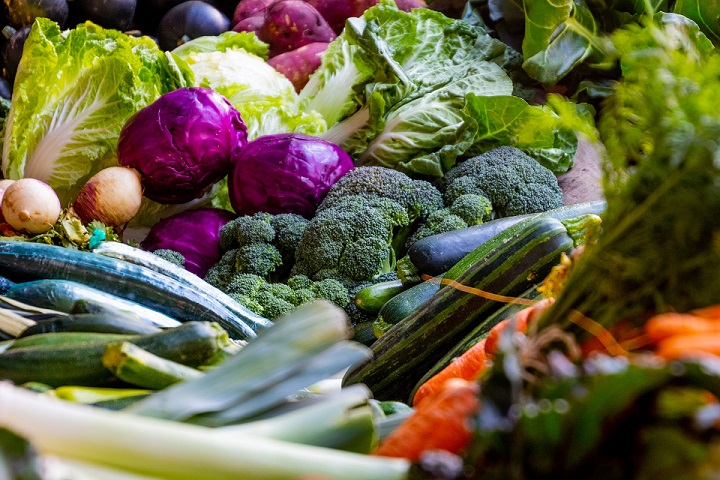
Regardless of how you’re eating, you probably are supposed to be eating vegetables. Eating a great variety of vegetables provides you with a greater variety of nutrients. Remember the thought of eating the rainbow. (I don’t know who started that saying but it’s all over the internet, so I can’t attribute this to its creator.)  The theory is to eat vegetables of all different colors because they provide a wide range of nutrients. In other words, the greater the variety of vegetables you’re eating, the great the variety of nutrients you’re getting.

Feel free to join us in our “one new vegetable a week” challenge! I think in our Facebook Private Group, we’ll be sharing our new veggie ideas with each other. Feel free to join us there. Or just post your new vegetable in the comments here or on the Facebook Becoming Elli page.

« Older posts Newer posts »

© 2026

Theme by Anders Noren — Up ↑