Category: Food and Drink (Page 2 of 10)

Between Salads and Soups

I’m feeling that time of year, between salads and soups. Most people call it the equinox, when the days and the nights are about the same length. Here in the states we are moving from winter into spring.

I know we have some readers and listeners who will be moving from summer into autumn, like Sue Loncaric who publishes on Living Well After 50. Jill and I interviewed her in 2021 for the Fit Strong Women Over 50 podcast.

Between Salads and Soups

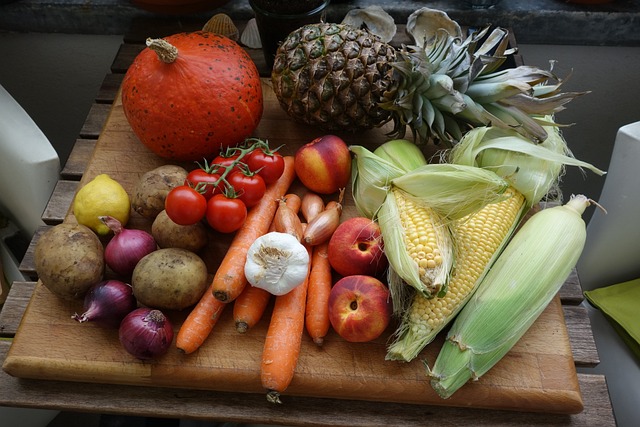
I find that most of my vegetables end up in salads or soups, or sometimes both. I especially like soups with roasted vegetables but find that I’m adding roasted vegetables to some of my salads as well.

Roasted red peppers are incredibly sweet. I also find that roasting onions for use on a salad or in a soup makes them so delicious.

I love the crunch of lettuce, spinach and baby greens in a salad, and enjoy topping it with some of the other veggies that make it so colorful.

I also love the smoothness of soup on a cold day.

When we are right in between seasons, I find my lunches include both! it’s a wonderful time to have soup AND salad.

If you have a favorite soup or salad recipe that you enjoy when we’re between salad and soup seasons, please feel free to share it with us. Please post it below… or share it in our private Facebook group. Thanks!

Adjusting soup on the fly

What do I mean by adjusting soup on the fly? Good question.

I made a pot of vegetarian chili in the Instant Pot the other day and had it for dinner. It was not my best attempt at soup or chili. I think I put too much broth in. It was not as thick as I expect chili to be. Maybe it was because I didn’t add any meat but I’m pretty sure I’ve made vegetarian chili before and it was fine.

I ate a bowl of the chili and stuck the remainders in the refrigerator.

Then the next day I made a pot roast for a family dinner. I made it in the Instant Pot as well. Basically the pot roast consisted of chuck roast (beef), potatoes and carrots. After we ate, I divvied up the leftovers for different family members. I was left with a small chunk of meat, cooked carrots, a couple of pieces of potatoes in a lot of beef broth.

(In case you can’t tell, I really like my Instant Pot. Here’s my recipe for Lentil Soup that I posted a year ago.)

At my next lunch, I scanned the refrigerator. There was the chili that I didn’t really like and the left over pot roast but not enough for a meal. I decided to experiment. I poured the chili into a large pot and then dumped the pot roast leftovers in the with chili. This was now more of a bean and beef soup and it needed a bit more potato. I chopped up a couple of potatoes, cooked them in the Instant Pot for about three minutes and then added them to the pot of soup.

Now my vegetarian chili was no longer vegetarian because it had beef and beef stock in it. My pot roast got eked out because I added it to the chili.

Once I heated the soup and stirred it thoroughly, I tried it. Not bad. The chili was certainly tastier for having the beef broth in there and the beef chunks and extra potatoes really bulked up the soup. There were still all of the spices that I had used in the original chili.

I had put diced carrot into the chili but the pot roast had large piece of carrots. I think the larger carrots really added to the soup. That’s a lesson for another time.

My only point with this is that I knew I wasn’t really going to eat the chili because it just didn’t wow me. I didn’t have enough of the leftover pot roast for a full meal. By experimenting and adding them together, I ended up with a much more delicious soup. I don’t really think that it was just adding the beef to the chili. I think a meatless chili can be fine but what I made was lackluster. By adding the complexity of the beef broth with the larger carrots and the meat chunks, the soup was improved.

Improvising in the kitchen can sometimes result in much better meals. We don’t need to discuss the times that this doesn’t work because this time it was a success!

Kale Chips and The Trouble with Indigo

Kale Chips are Delicious!

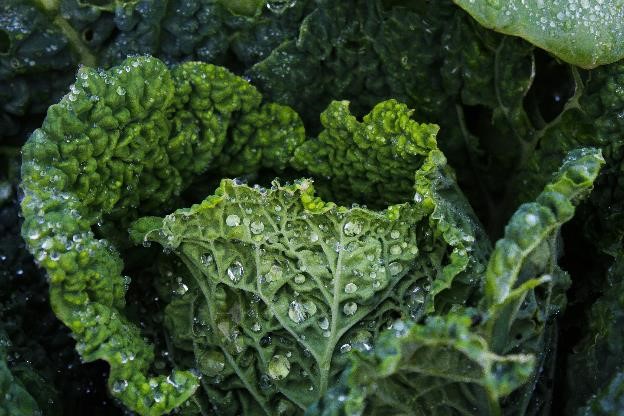
I found my favorite way to enjoy kale. Perhaps you’ve tried it in a salad, or wilted in a soup with lots of vegetables. That is two different ways that I enjoy eating kale.

But by far, my favorite way is by turning kale into kale chips. It’s a great light crunch snack. I feel that they are a better crispy, crunchy snack than potato chips.

Kale chips are very easy to make. I bought a giant bag of kale which was already in smaller pieces. If you bought kale in big giant pieces there is an important step to cut out the large center rib of the piece of kale. Even when you cook the center rib, the texture is so much different than the kale leaf.

Here’s how I prepare my kale chips.

  • Heat the oven to 350 degrees.
  • Line a cookie sheet with parchment paper or tin foil.
  • Make sure the kale is dry using paper towels if necessary.
  • Spread the pieces of kale on parchment with no overlapping.
  • Spray with olive oil spray and lightly sprinkle salt over the kale.
  • Bake in the oven for 10 minutes.

home made kale chipsI recommend a timer because they can burn easily. (I found out the hard way!) Put in a bowl and Enjoy!

The Trouble with Indigo

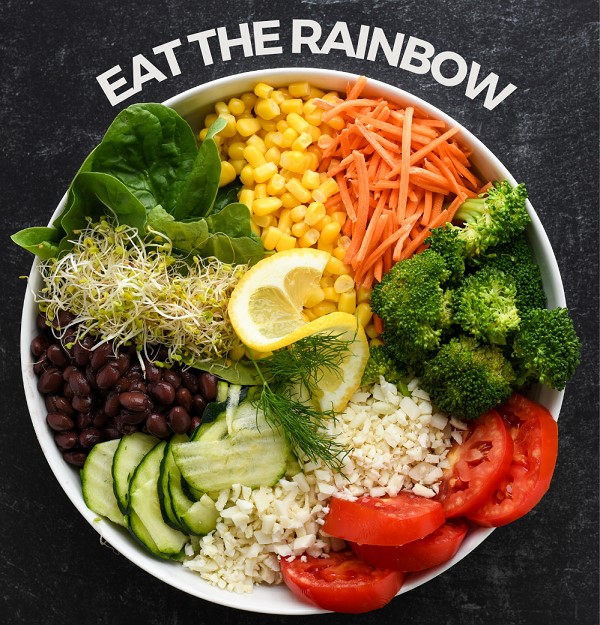
I’ve been eating the rainbow since the first of the year, however I’m a little stuck on the dark purple, aka Indigo.

First I bought an egg plant with all the best intentions, however, I never got it going and had to throw it out when it turned mushy.

Then I added black beans to a soup I was making and the beans turned the broth into a dirty looking brown/indigo/blackish color. Not very appealing to say the least.

This past weekend I made another vegetable soup but this time roasted some sliced red cabbage into cabbage steaks, roasted them and added the pieces into the soup. It provided a similar result where all the vegetables in the soup took on the dark red, purple, indigo color.

What do you do for eating the purple, indigo color that looks appealing?

2024 Eat The Rainbow Challenge

Eat The Rainbow is a new 2024 challenge for the Becoming Elli Community and the Fit Strong Women Over 50 podcast!

You can download the Eat The Rainbow checklist and information about why it’s important to Eat The Rainbow.

Eating the rainbow is an easy way to optimize your diet. Why is it important to EAT THE RAINBOW? Because colorful foods contain phytonutrients or plant compounds.

These compounds provide beneficial nutrients to us. They are found in plant foods like vegetables, fruits, nuts, seeds, legumes (beans), and whole grains.

Teas, herbs and spices also contain thousands of different phytonutrients.

Phytonutrients protect our health. Some phytonutrients help protect our cells from damage and some support the body’s natural detoxification processes. Others have anti-inflammatory or anticancer effects, or promote brain, heart, skin, eye, or liver health. Eating a wider variety of phytonutrients gives you a wider range of health benefits.

The color of plant foods comes from different phytonutrients. For example, red vegetables have different nutrients than green vegetables.

Typically, the darker the color, the higher the phytonutrient content. Once you get proficient at eating the rainbow, you might try to eat darker colors.

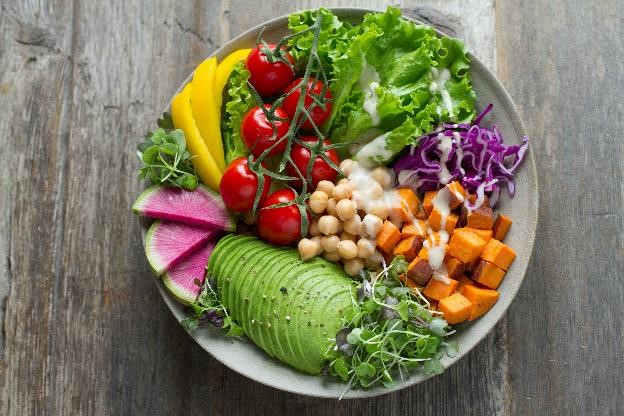
Try to eat 9 to 12 plants a day.  Remember that the rainbow includes fruits as well as vegetables but also includes nuts, seeds, beans, grains and spices.

Eating the rainbow means to try to eat at least one serving from each color group every day.

the more colors you can eat gives you a greater variety of phytonutrients.

One serving of vegetables is about ½ cup of cooked veggies or 1 cup of raw leafy greens; one serving of fruit is about ½ cup of fruit or one medium sized piece of fruit.

Finding Ways to Cope with Holiday Stress

Many of us are preparing for upcoming holidays. That means it’s time for decorating, meal cooking, gift shopping, social calendar arranging, not to mention cleaning, wrapping, holiday card addressing, and … sigh. The list goes on. 

Gosh, I’m stressing myself out thinking about all that needs to be done in the next six weeks!

Anyway, we all know too much stress isn’t good. Not only does it take the fun out of the festivities, I find that too much stress activates hormones that tends to keep me awake at night and a bit grouchy during the day. Being tired, frazzled, and irritable when spending time with my loved ones is not the way to get through the holidays. 

There has to be an easier way to prepare for and enjoy the holidays. I don’t want to spend my time resenting everyone for all that I’m doing; I want to focus on enjoying this time..

Thinking about this made me remember some words of wisdom from the podcast. In episode #21 of Fit Strong Women Over 50 podcast, we talked with Leadership and Personal Development Coach Marsha Friedman. You’ll want to take some time to listen and use her tips to de-stress. (Note – the tip sheet from 2018 is no longer available to download, but you’ll hear many of the tips in this episode.)  We received some positive comments when this episode was released. I think you’ll find that it’s worth revisiting.

We discussed many excellent techniques to cope with holiday stress:

  • Deciding how you will take care of yourself (great suggestions!)
  • Embracing your emotions and managing your mood when you need to
  • Accepting help: how, when, who
  • Setting expectations of food, family, finances, fitness, fun and friends

Do you feel stress during the holidays? How do you handle it so you can actually enjoy the season? Leave a comment in the area below or send us a message on social media.


Better Health and Wellness through Nutrition with Sarah Koszyk

#142 Better Health and Wellness through Nutrition with Sarah Koszyk

Download | Play in New Window
Please SubscribeApple Podcasts  (iTunes) Google Podcasts | PandoraPlayer FM Castbox | Tunein | Spotify | RSS | Amazon Podcasts | iHeartRadio | Podchaser | Podcast Addict | Listen Notes

In episode 142, Jill and Chris talk with Sarah Koszyk, MA, RDN. She is an award-winning Registered Dietitian and Sports Nutritionist and the co-founder of MIJA Naturals, a green beauty wellness company,  As a Registered Dietitian and Food & Nutrition Expert, Sarah understands the power that food has on our bodies. She knows that consuming the right foods can enhance one’s beauty, nourish one’s soul, and restore one’s health.

She works in the San Francisco Bay Area of California with technology firm CEOs, executives, and employees, Bay Area families, as well as professional, elite, and collegiate athletes. She also has nationwide and international clientele.

Sarah is a published author of four books, all based on whole foods for optimizing health, wellness, and beauty.

We discuss:

  • The mistake of going from “zero to hero”
  • Importance of protein following a workout
  • The importance of snacks and about her book: 365 Snacks for Every Day of the Year: Snacks Under 250 Calories At Home, At School or Work, On the Go, At a Convenience Store, or For Your Sweet Tooth
  • Peruvian super foods like Maca, Goldenberry and Cacao
  • Tips to not overeat during the holidays.
  • Embracing the hunger
  • Paying attention to protein and colors of food… as well as focus on fiber, water and protein
  • Her favorite sheet pan recipes
  • Learning about food sensitivities using a FodMaps elimination diet
  • Mija products like her coffee creamer with coconut milk powder and Lions Mane Mushroom powder to enhance cognition

Links for Better Health and Wellness through Nutrition with Sarah Koszyk:

Her books are available at her website: SarahKoszyk.com
The products mentioned in this episode. SuperStar and Galaxy Cloud Creamer are at her MIJA Naturals website.
To receive a 20% discount on her products, use the discount code: BECOMINGELLI when you check out from her shop at MIJA Naturals

Eggs – a Delicious, Nutritious Powerhouse Meal

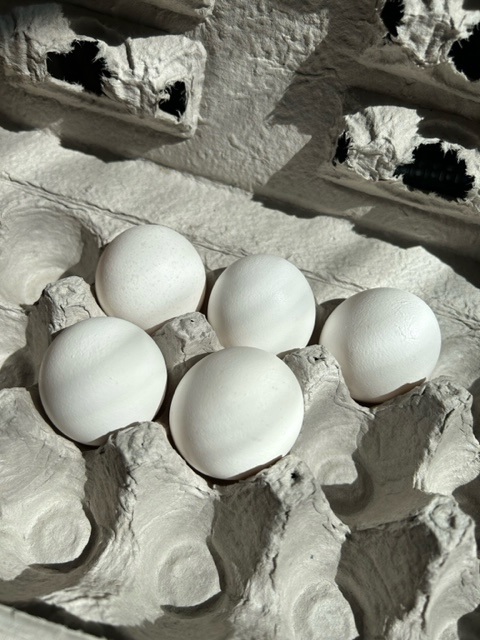
I must say that one of my favorite foods is eggs. They are delicious, nutritious and versatile!

For many people, eggs are a favorite type of breakfast. I like my eggs scrambled, poached, fried, and boiled. Other than making some cereal or toast, eggs was one of the first foods I ever learned to cook*.

Not only are eggs delicious and easy-to-prepare, they also offer a lot of health benefits.

Eggs are packed with protein. A single large egg contains about 6 grams of protein, making it one of the most protein-dense foods available. Protein is essential for the body as it aids in muscle development, tissue repair, and overall growth. We have all heard many times how especially important it is for women over 50 to get enough protein. I think eggs are a delicious way to do that. I find that consuming a protein-rich breakfast, like eggs, helps me feel full and satisfied longer and reduces the temptation to reach for unhealthy snacks.

Eggs also contain all nine essential amino acids our bodies require, making them a complete protein. These amino acids are the building blocks of protein and play a crucial role in various bodily functions, including immune system support and hormone regulation. Because they are a complete protein, eggs an excellent choice for those looking to maintain or build muscle mass.

Eggs are not just about protein; they’re particularly high in various vitamins and minerals, including:

  • Vitamin B12: This vitamin is crucial for nerve function and the production of red blood cells.
  • Vitamin D: Essential for bone health and overall well-being, especially for individuals who may have limited sun exposure.
  • Vitamin A: Important for vision, immune function, and skin health.
  • Choline: A vital nutrient for brain health, memory, and liver function.

Eggs contain a moderate amount of healthy fats, particularly monounsaturated and polyunsaturated fats. While it’s true that eggs also contain saturated fats, recent research has shown that the type of saturated fat found in eggs is less likely to raise cholesterol levels in most people. In fact, eggs can contribute to a favorable balance of HDL (the “good” cholesterol) and LDL (the “bad” cholesterol) in the body. These healthy fats are necessary for cell structure, brain health, and hormone production.

Because they are nutritionally dense and relatively low in calories, they are an excellent choice for weight management. A single large egg contains around 50-70 calories, making it a filling and satisfying low calorie mainstay for breakfast.

Eggs are a delicious, nutritious meal - cracked in a pan

The egg white is mostly just protein with minimal fat and protein. Because egg whites have such low calories, I’ve heard of people eating them for weight loss, but the yolk has most of the nutrients and is where most of the egg’s essential fatty acids, such as omega-3 and omega-6, are found. It also contains vitamins A, D, E, and K, as well as minerals like iron and calcium.

Another reason I like them, they are easy-to-store and easy-to-cook. I will have them at other times than breakfast.

When you’re on the go, it is great to bring a couple boiled eggs with you for a quick protein snack or addition to a meal. There’s so many ways to prepare them, depending on your taste. Whether you prefer a classic scrambled egg, my favorite – the over-easy one flip eggs or an omelet loaded with vegetables like a fratata, there’s a preparation method for everyone. I like just about any kind of eggs.**

For holidays, we often serve deviled eggs. My recipe: hard boil the eggs, peel, split in half and put the yolks in a bowl. Mix cooked yoke well with mustard, pickle juice and a little bit of Greek yogurt. Place a spoonful back into the hole in the egg and sprinkle with paprika.

I particularly love an omelet with sauteed mushrooms and peppers, but my favorite way to eat them is definitely over-easy or over-light. When I was a waitress in my 20’s, I knew the difference between the two. I think over-light eggs still has a loose white part (more juicy), where over-easy is flipped once and then served. I know sunny-side-up is not flipped. Perhaps you know and can leave it in the comments.

Eggs are a delicious, nutritious meal - fried

Eggs are a nutritional powerhouse that will kickstart your day with a burst of essential nutrients, including high-quality protein, vitamins, minerals, and healthy fats. They are not only delicious but also versatile, making them an excellent choice for breakfast. So, the next time you’re planning your morning meal, consider including eggs to enjoy the many benefits they offer to your health and overall well-being.

  • I am not sure you can actually count making toast or cereal as “cooking.”

** I don’t really like egg bake type casseroles as much, probably because they often have sausage and white bread slices in them. 

What Are Prebiotics?

What are prebiotics? How are they different from probiotics? We hear about both but it’s not always clear how they differ.

Probiotics introduce microorganisms into the gut. Many people take probiotic supplements, but you can also eat things like fermented foods to introduce “good” bacteria into your system. I wrote a blog post a while ago about the value of probiotic foods. The purpose of probiotics is to add certain bacteria into our systems.

Prebiotics serve a related but different function. They provide food for the microorganisms we’re trying to encourage to be in our system. Prebiotics are basically the food that bacteria eat to help them flourish and proliferate. If you’re taking probiotics, making sure you eat prebiotics might help those bacteria you’re introducing into your system survive and flourish.

Consume prebiotics to improve the balance of these microorganisms in your gut. Our microbiome is filled with a wide variety of microorganisms. The prebiotics help the ones that we want to encourage to stick around.

When healthy bacteria break down prebiotics, the bacteria generates energy, which increases their odds of survival. Also, the by-products produced by the bacteria are helpful to us.

Eating a diet high in fiber supports the health of the intestines. The prebiotic fiber improves our digestion, supports the immune system, and helps our bodies absorb nutrients.

Fiber can also help you feel full for longer after meals. This can promote a healthy weight. Fiber also helps regulate metabolism.

Curious about how to increase the prebiotics you’re consuming? Here’s a list of foods that contain prebiotics.

What are Prebiotics?

What are prebiotics?

Fruit

  • Apples with the skin
  • Bananas
  • Berries
  • Nectarines
  • Pears
  • Watermelon

Vegetables

What are prebiotics?

  • Asparagus
  • Chicory root
  • Dandelion greens
  • Eggplant
  • Garlic
  • Jerusalem artichokes
  • Jicama
  • Leeks
  • Onions
  • Peas
  • Peas

Grains/Beans

  • Beans
  • Oats
  • Whole grain barley
  • Whole grain rye
  • Whole grain wheat

What are prebiotics?

Seeds/Nuts

  • Almonds
  • Cashews
  • Flax seeds
  • Legumes
  • Pistachios
  • Pumpkin Seeds


Try adding these foods to  your meals and see what happens. A word of caution. Sometimes it helps to increase fiber consumption slowly. Adding fiber too quickly can cause digestive issues.

Let me know if you try adding more of these foods to your diet and if you notice any differences in how you feel.

Tracking Food with Cronometer

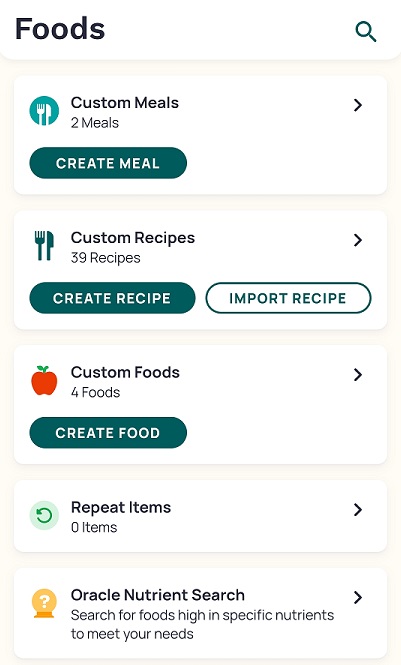
I wrote about tracking food in the very early days of the Becoming Elli website. I wrote a blogpost entitled Counting Calories or Eat Less and Move More.  At that time, I was using SparkPeople for tracking my food. I stuck with that app because I had a large body of data in it. I had created recipes and lots of favorites. It was easy to use. Five years later, I’m now tracking food with Cronometer.

Unfortunately, SparkPeople closed its doors for food logging. It changed its focus and no longer provided a free tool for tracking food.

Within the past year, I tried logging food on the Fitbit app. It was ok but I definitely prefer tracking food with Cronometer.

Some of the reasons why I prefer Cronometer is that I can see my macros by food item and by meal. The Fitbit app just gave me the macro breakdowns for the day so I couldn’t tell which meal was low or high in protein or fat.

Logging food is easy. I can tag foods as favorites so they are easy to find. It also lets you swipe a bar code on the product and gives you the nutritional information right away.

One thing I noticed with the Fitbit food logger was that it also provided bar code scanning but often misread the bar code. I’d have to swipe the code several times to get the correct food. Cronometer is much more accurate.

The other feature I really like about Cronometer is the ability to import a recipe from a different website. You simply paste the URL into the field and it creates the recipe for you. You can modify the recipe if necessary but it’s so much easier than having to enter an entire recipe manually.

I use the Android version of Cronometer and I don’t know if the Apple version is different. Sometimes, I access the Cronometer website on my computer. It’s easy to use there too.

I’ve been working hard on tracking food for the past six months. I can see very quickly when I’m overeating or under-eating. I also like seeing how much protein and fiber I get each day. It’s a challenging habit to create because food logging takes work. It helps to use a tool that makes it a bit easier.

Let me know what tool you use to track food.

Tracking Food with Cronometer

Lunch of Veggies with Protein

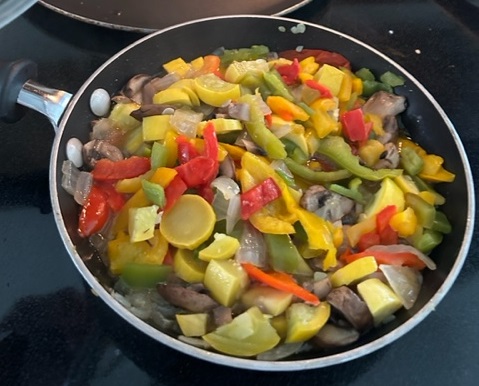
I had an awesome lunch over the weekend of veggies with protein. It was delicious. It seems like all the vegetables are becoming ripe and are really tasting especially good to me right now. Maybe it is just that time of year!

By this photo you might think I didn’t get enough protein ,but I added a couple of ingredients at the end of cooking and after I took this photo that really boosted the protein levels in my meal.

Here’s my recipe for these delicious veggies. No surprise, I sautéed them on the stove.

To prepare this meal, first I pulled out the cutting board and a sharp knife. Heated up the pan with some extra virgin olive oil.

Chopped and sliced the following veggies:

  • Onions
  • Peppers: red, orange, yellow, (forgot to get green peppers)
  • Yellow Squash
  • Celery
  • Mushrooms

The onions went into the heated olive oil first because it took them the longest to cook. I sautéd all the vegetables over medium heat and after it started really cooking, I added a little bit of water, then covered it and turned down the heat to low.

I put the mushrooms in very last because they so cook much faster.

Adding Protein
In order to get more protein I added some tofu and some feta cheese. Tofu has a lot of protein (9 grams of protein in a 3 oz piece.) And the feta cheese added some great flavor. I added a little salt and pepper to taste. This meal was really delicious. Tons of colorful vegetables, so I am “eating the rainbow” and getting lots of veggies. #veggiechallenge2032

These vegetables are are fairly typical, probably the only unusual ingredient was the tofu, which I don’t usually have on my shopping list.

Tofu takes on the flavor of the other foods and it didn’t take much for it to take on the flavor of the vegetables in olive oil. So if you’ve thought about trying tofu in your meals, this might be a good way to try it. I usually slit the top and drain it. There’s a lot of water in the carton.

I cut it like a checkerboard into probably 25 pieces, at least 16 pieces. And when storing it in the refrigerator, I place it in a gallon zip lock sandwich size baggie. It’s got a consistency that is thicker than yogurt or pudding, but similar texture. It’s probably not something to eat plain, just by itself unless you really love it.

Do you like tofu? How do you prepare it or add it to recipes? I’d love to learn new ways of eating it as I think it’s a really good protein for me.

« Older posts Newer posts »

© 2026

Theme by Anders NorenUp ↑