Fit Strong Women Over 50.

Category: Food and Drink (Page 1 of 10)

Boost Your Health: Simple Ways to Add More Fiber to Your Diet

Fiber is one of the most underrated nutrients in our daily diet, yet it plays a crucial role in maintaining optimal health. From supporting digestive health to helping regulate blood sugar levels, increasing your fiber intake can transform how you feel every day. I don’t know about you but I can struggle to get in enough fiber. I feel like eating vegetables should be enough but you sometimes have to add in things like berries, lentils, beans, and seeds. Did you know raspberries are fiber powerhouses?

Why Fiber Matters

Most adults need 25-35 grams of fiber daily, but the average American consumes only about half that amount. For women over 50, fiber becomes especially important as metabolism naturally slows and digestive efficiency can decline. According to the American Heart Association, fiber helps keep you feeling full longer, supports healthy gut bacteria, and can help lower cholesterol levels, particularly beneficial as heart disease risk increases with age. Learn more about natural ways to manage cholesterol for comprehensive heart health. It’s like giving your digestive system a gentle, natural tune-up while supporting long-term health.  There are supplements you can use to increase your fiber intake but I prefer to concentrate on real foods.

Easy Ways to Increase Fiber

Start your morning with a fiber boost by choosing whole grain cereals or adding berries to your breakfast. Raspberries pack an impressive 8 grams per cup, while a medium apple with skin provides 4 grams. If you’re trying to also have a high protein diet, consider throwing those berries on top of a serving of Greek yogurt or on a chia pudding.

Swap refined grains for whole grain alternatives. Choose brown rice over white, whole wheat pasta instead of regular, and look for bread with at least 3 grams of fiber per slice. These simple switches can double your fiber intake without changing your favorite meals.

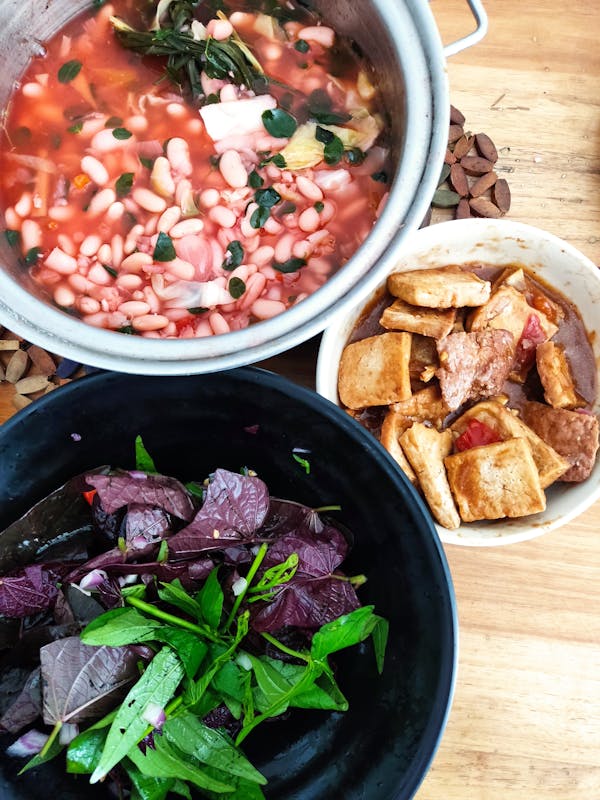
Don’t forget about legumes – beans, lentils, and chickpeas are fiber powerhouses that also provide plant-based protein to help maintain muscle mass. Add white beans to soup, toss chickpeas in salads, or try a hearty lentil curry. Just one cup of cooked black beans delivers a whopping 15 grams of fiber plus 15 grams of protein.

Smart Implementation Tips

Increase fiber gradually over 2-3 weeks to avoid digestive discomfort, as digestive sensitivity can increase with age. Your body needs time to adjust to higher fiber levels. Drink plenty of water throughout the day, as fiber works best when you’re well-hydrated. Aim for at least 8 glasses daily.

Keep the skins on fruits and vegetables when possible. That’s where much of the fiber lives. Snack on nuts, seeds, and fresh fruit instead of processed options.

Making these changes doesn’t require a complete diet overhaul. Small, consistent choices that let you add more fiber to your diet can add up to significant health benefits that you’ll notice in your energy levels and overall well-being.

Beyond the Basic Bowl: Creative Ways to Use Quinoa

So you’ve jumped on the quinoa bandwagon (welcome to the club!), but you’re getting tired of the same old quinoa-and-vegetables routine. I get it. Even superfoods can get boring when you’re eating them the exact same way every single day. The good news? Quinoa is way more versatile than most people realize. There are some creative ways to use quinoa in your cooking. Chris and I have written about quinoa before and came up with some good ideas but you can always use more.

Quinoa is a good source of vegetarian protein so it’s worth trying to figure out ways to use it creatively.

First up, let’s talk breakfast. Quinoa porridge is a game-changer for anyone looking to switch up their morning routine. Cook quinoa in milk (dairy or plant-based), add some cinnamon, vanilla, and a drizzle of maple syrup. Top it with fresh berries and nuts, and you’ve got yourself a protein-packed breakfast that’ll keep you full until lunch. You can even make it the night before and heat it up in the morning.

Feeling fancy? Try quinoa pancakes. Just blend cooked quinoa with eggs, a banana, and a splash of milk. The result is fluffy, protein-rich pancakes that don’t require any flour. They’re naturally gluten-free too, which is a nice bonus.

For lunch and dinner, think beyond the bowl. Quinoa makes an excellent stuffing for bell peppers, zucchini, or tomatoes. Mix it with herbs, diced vegetables, and maybe some cheese, stuff it into your veggie of choice, and bake. It’s like comfort food that happens to be incredibly nutritious.

Quinoa salads are where things get really interesting. Unlike lettuce-based salads, quinoa salads actually get better as they sit, making them perfect for meal prep. Try a Mediterranean version with cucumber, tomatoes, olives, and feta. Or go Mexican with black beans, corn, avocado, and lime dressing.

Here’s something most people don’t think of: quinoa burgers. Mash cooked quinoa with some beans, add an egg to bind everything together, season it up, and form into patties. They hold together surprisingly well and have this great nutty flavor.

You can even use quinoa in desserts. Quinoa chocolate bark with nuts and dried fruit is surprisingly addictive. Or try quinoa energy balls mixed with dates, nut butter, and cocoa powder.

The key with quinoa is seasoning. On its own, it’s pretty neutral, but that means it plays well with whatever flavors you want to throw at it. Whether you’re going for Mediterranean, Asian, Mexican, or just plain comfort food vibes, quinoa is happy to go along for the ride.

There are plenty of creative ways to use quinoa so stop thinking of it as just a rice substitute and start seeing quinoa as the culinary chameleon it really is.

Getting Your Protein Fix: The Vegetarian Way

One of the first things people ask when you go vegetarian is, “But where do you get your protein?”  It’s like they think protein only exists in chicken nuggets and steak. Spoiler alert: it doesn’t! There’s actually a whole world of delicious, protein-packed foods that don’t involve any animals whatsoever.

I’m not actually vegetarian so I don’t get asked this question but I’ve been told this is a common question. I’ve also heard people say they can’t go vegetarian because they can’t get enough protein. I don’t think that’s true.  I’m trying to include more plants in my daily diet and that includes getting protein. I know there are plenty of protein sources that don’t include animals. Chris and I have discussed protein and written about it on the blog.  I’m not sure we’ve ever focused completely on vegetarian protein.

Let’s start with the obvious superstar: beans and legumes. Black beans, chickpeas, lentils, and kidney beans are basically nature’s protein pills. A cup of cooked lentils gives you about 18 grams of protein, which is comparable to a serving of chicken or hamburger or three eggs. Plus, beans and legumes are incredibly versatile and can be used in a variety of ways. Throw chickpeas into a curry, make a hearty lentil soup, or mash up some black beans for killer veggie burgers.

Then there’s quinoa, the grain that thinks it’s a complete protein (and technically, it is). Unlike most plant proteins, quinoa contains all nine of the essential amino acids that your body needs. It’s like the overachiever of the grain world. Cook it up as a side dish, toss it in salads, or use it as a base for Buddha bowls.

Don’t ignore nuts and seeds either. Almonds, peanuts, hemp seeds, chia seeds – they’re all packing serious protein punch. Two tablespoons of peanut butter gives you about 8 grams of protein, which makes your morning toast feel a lot more substantial. I often skip nuts and seeds because they’re also calorie dense but a reasonable portion is a good source of protein and makes for a nice snack or addition to your salad.

Tofu and tempeh deserve their own shoutout. I know, I know – tofu gets a bad rap for being bland, but that’s actually its superpower. It takes on whatever flavors you throw at it. Marinate it, fry it, scramble it, or blend it into smoothies. Chris has told us on the podcast how much she enjoys tofu. She admitted that she is now able to eat it plain as a snack.

Tempeh, tofu’s fermented cousin, has a nuttier flavor and even more protein. You can use it as a meat substitute in sandwiches and salads.

Even some vegetables are surprisingly protein-rich. Spirulina, nutritional yeast (it’s cheesier than it sounds), and even regular old spinach contribute to your daily protein goals.

The truth is, as long as you’re eating a varied diet with plenty of whole foods, getting enough protein as a vegetarian isn’t rocket science. Your body is pretty smart about combining different protein sources throughout the day to make sure you’re getting everything you need.

So the next time someone asks about your protein intake, you can smile and tell them about your amazing lentil dal or that incredible tempeh stir-fry you made last week.

Quick Go-To Dinners with Becoming Elli

#172 Quick Go-To Dinners with Becoming Elli

Download | Open in New Window

In episode #172 Jill and Chris explore quick go-to dinners that are easy to make and healthy for those nights that you are rushed and tempted to make less healthy choices.

We feature quick go-to dinners from these individual episodes:

Amanda Nighbert – episode #96 Living Energized and Nourished with Amanda Nighbert 
Carol Simpson – episode #109 Rock Climbing and Yoga with Carol Simpson
Jone Carpenter – episode #104 Find Your Tribe with Jone Carpenter
Joyce Guenther – episode #107 Bicycling all 50 States with Joyce Guenther
Katie Orlando – episode #114 Sharing Love of Tennis with Katie Orlando
Kristin Kirkpatrick – episode #82 Nutrition for Women over 50 with Kristin Kirkpatrick
Lisa Bartlett – episode #86 Fit After Fifty Forever with Lisa Bartlett
Pat Bissell – episode #168 Find Your Passion and Stay Healthy with Pat Bissell

Don’t miss the challenge of our February 2025 Bingo Card!

Please Subscribe to the Fit Strong Women Over 50 podcastApple Podcasts  (iTunes) Google Podcasts | Pandora | Stitcher | Player FM Castbox | Tunein | Spotify | RSS | Amazon Podcasts | iHeartRadio |

Our podcast continues to be among the top podcasts for women over 50, especially in the health and fitness categories. See our ranking in the top 2% of all podcasts here.

Podcast Partner Spotlight for February 2025:

If you enjoy what we talk about on the Fit Strong Women Over 50 podcast, you may want to checkout the Women Over 70™ – Aging Reimagined podcast.

Women Over 70™ – Aging Reimagined, is dedicated to shining the spotlight on women living vibrantly and to shattering the myth that women become irrelevant as they age. Listen to the powerful stories of women aging. Their stories celebrate women’s enduring courage, compassion and contribution. Listen to this podcast at the Women Over 70 website.

Ways I Have Found to Get Enough Protein

Getting enough protein? Each year I work on eating protein and during 2024 I think I did a really good job getting protein in my weekly meals. I try to look at it by week, rather than by day because it’s less tracking.

Here are some of the things I put in my grocery cart when I shop each week.

  • Firm Tofu – Although tofu doesn’t have much of a taste, I have learned to like the texture and it’s easy to flavor with anything else you eat. Often it ends up on the top of a salad. Or as a snack with a little peanut butter. I never ever thought it would be at the top of my list!! But I buy a carton of it every week now.
  • Egg whites in a carton. This is a real staple for me and I eat them everyday. It’s a low calorie easy way to up the morning protein.
  • Dairy: Feta Cheese, Cottage Cheese, Fage 0% fat Greek Yogurt. I think of the Greek yogurt like almost a dessert that is a great way to sneak in the protein.
  • Fish: Sardines, Tuna, Salmon. I’ve tried different brands and kinds to discover what is most healthy, inexpensive and that I enjoy the flavor. It’s definitely something that requires some experimenting. I like sardines in water, not oil. Salmon frozen wild caught. Tuna in water and mixed with diced celery, onions and some Greek yogurt.
  • Meat: Chicken breast or thighs, package of Ground Turkey. I use ground turkey like it was hamburger, particularly in chili or the inside out egg rolls. Chicken cooked in the air fryer.
  • Beans: Chick peas (garbanzo beans) Red Kidney beans. I usually add these at the last minute to a recipe to increase the protein. Soups and salads are the best.
  • Noodles: Banza brand and I noticed a couple of other brands popping up on the shelves. These are those noodles made from chickpeas.

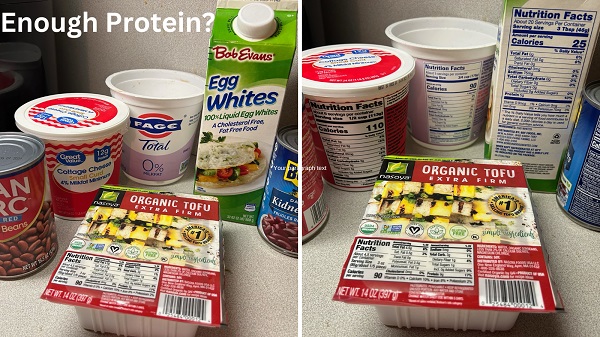
Staying conscience of eating more protein can make a big difference. Just in the 6 items In the photo for this post there’s an average of 50 grams of protein a day!

Measuring by the Grams

100 grams  in the carton of Bob Evans egg whites
  90 grams  in the FAGE 0% Greek Yogurt
  72 grams  in the Walmart brand 4% milk fat cottage cheese
  40.5 grams  in the Nasoya extra firm Organic Tofu
  28 grams  in the can of Joan of Ark light red kidney beans
  24.5 grams  in the can of Bush’s dark red kidney beans

355 more grams of protein in the week than if I hadn’t eaten this.

Once in a while I will do powder, but I am still working on finishing a chocolate version that I bought a while back and don’t particularly like in my smoothies. Any powder favorites that you’d recommend?

I generally skip the protein bars because I don’t think that they have all much protein and the ones I like are generally pretty sweet. Have you discovered any that really taste great and are healthy? Please let me know.

Replacing Butter with Red Balsamic Vinegar

Recently we talked with my friend Pat Bissell on the podcast. She shared a variety of ways she stays healthy by adjusting her mindset and with several types of exercises and food swaps.

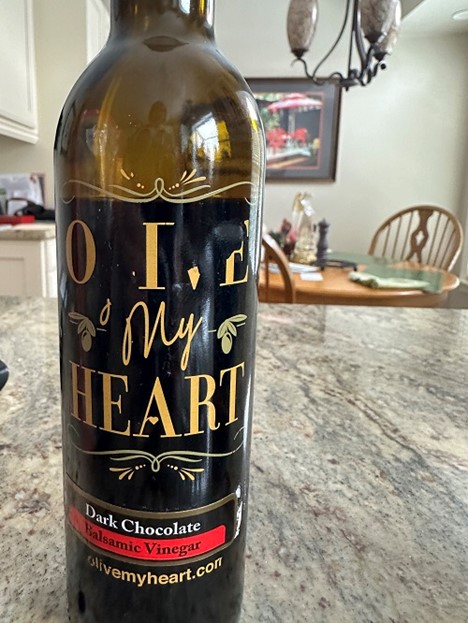
One food swap that really caught my attention was the idea of swapping out butter with a flavored red balsamic vinegar. Pat told us that gets her favored vinegar and gourmet oils at Olive My Heart, a near by independent shop that has a wide variety of choices.

I mentioned in a post a few months ago that I have been watching my cholesterol. One of the ways I have been doing that is by using a little bit of olive oil in place of butter on my toast. I’ll admit, it does taste a little different and really takes some getting used to, but now I’m going to try balsamic vinegar instead. I like trying new flavors and I also like seeing good lipid results with my lab tests.

Until I heard Pat mention it, I hadn’t really considered using a flavored balsamic vinegar, but I think it’s a great idea.

Since vinegar has zero calories, compared to butter with 9 calories per gram, it tastes great and saves calories.

Have you figured out a good way to replace regular butter in your daily meal?

Just to be clear, I don’t mean margarine, which I believe is worse for my health than butter. I grew up as a kid in a household that only ate Blue Bonnet, but it’s not something I’d consider now. (Cue the song.)

Dry toast, or a plain baked potato is fine, but sometimes I feel a bit deprived. To be honest, that feeling of depriving myself is a really bad trigger for future success with keeping the weight off. It’s often easy to just skip a food, but once in a while, I need an indulgence, however I’m always looking for a healthier swap that I enjoy. How about you?

Let me know if you have made the switch and what you use in place of butter. Do you like flavored vinegars? Leave a comment in the space below.

Non-Dairy Sources of Calcium

My doctor told me to make sure I’m eating enough calcium to keep my bones strong. There may have been some grumbling because I’ve been trying to make sure I eat enough protein and fiber and now I have to think about calcium.

I know I can use supplements but I’ve heard concerns about heart health from calcium supplements. When I discussed this with my doctor, she recommended that I try to get as much calcium through my food as I can.

When I think about calcium, I think about dairy products like milk and yogurt and that king of dairy snacks, cottage cheese.

However, if you are vegan, lactose-intolerant, or simply looking to diversify your sources of calcium, you need to find some nondairy options. What are some of the best nondairy sources of calcium?  How do you keep your bones and teeth strong without reaching for the milk carton?

Non-Dairy Sources of Calcium

Check out these options for adding non-dairy sources of calcium into your diet

Leafy Green Vegetables

Dark, leafy greens are calcium powerhouses. Kale, collard greens, bok choy, and turnip greens are especially rich in calcium. For example, a single cup of cooked collard greens has about 268 mg of calcium—over 20% of the daily recommended intake for adults.

Be aware that some greens, like spinach and Swiss chard, contain oxalates, which can reduce calcium absorption. (I may have to write a post about oxalates because I don’t know a lot about them.)

I was disappointed when I learned about spinach reducing calcium absorption because I was eating a lot of spinach. I’ve tried to switch to kale and other greens. I’m sure I can eat spinach but eating it every day may not be a good idea.

Fortified Plant Milks and Juices

Many plant-based milks, like almond, soy, and oat milk, are fortified with calcium. They typically contain about the same amount of calcium as dairy milk, if not more, with 300 mg or more per cup. Similarly, some orange juices are fortified with calcium, providing a refreshing, tangy boost.

Apparently, consuming foods fortified with calcium is better than taking a supplement because the food provides other nutrients and isn’t just a blast of calcium into your system.

Canned Fish

Fish like canned salmon and sardines are great sources of calcium The bones that are in the can is what provides the calcium.

Soy Products

Tofu is a great source of calcium. It provides around 400 mg per half-cup serving.

Tempeh, a fermented soy product, also provides calcium, though in smaller amounts (about 100 mg per half-cup).

Edamame is also high in calcium.

You can use these foods in a variety of ways. Check out some of the ideas for tofu in other blog posts.

Nuts and Seeds

Almonds, chia seeds, and sesame seeds are particularly high in calcium. Just one ounce of almonds provides 76 mg of calcium, while a tablespoon of chia seeds has about 80 mg. Tahini, a paste made from sesame seeds, is also a great addition to dressings and dips, offering a calcium boost of around 130 mg per two tablespoons.

Beans and Lentils

Legumes like white beans, black-eyed peas, and lentils are good plant-based sources of calcium. A cup of cooked white beans contains approximately 161 mg of calcium, making it easy to add to soups, stews, or salads for a nutritious boost.

Seaweed

Certain types of seaweed, such as wakame and kelp, are rich in calcium. A one-ounce serving of dried wakame can contain up to 130 mg of calcium. Seaweed is often used in Asian cuisines, but it’s easy to sprinkle dried seaweed onto salads, soups, or even popcorn.

I’m not a doctor or a dietitian so I’m just sharing information I’ve read. So, don’t let me stop you from using supplements or eating spinach. If you’re trying to figure out how to increase your calcium intake, adding these non-dairy sources of calcium to your diet is easy and delicious. There are plenty of options to keep your calcium levels high without the need for dairy.

Lowering Cholesterol Through Diet and Exercise

Have you ever tried lowering your cholesterol through diet and exercise? Is it possible? Perhaps it isn’t something that you have struggled with, but I know for myself when I lost weight, increased my muscle mass and started eating right I was able to lower some of my high cholesterol numbers. Remaining vigilant is more difficult some times than others.

Finding ways to keep lowering cholesterol through diet and exercise (and trying to stay off statins) is one of my health and fitness goals.

Cholesterol numbers are linked to determining your risk of developing heart disease or experiencing a cardiovascular event. My high cholesterol is probably herditary, but I know if I am pretty strict with my certain foods (limiting butter, egg yokes, shellfish and red meat) and I keep an average of over 50 minutes of exercise every week, it has an impact on my numbers.

But what does controlling cholesterol actually mean?

There are many numbers and various parts of the lipid panel that make up various parts of cholesterol. When you get your lipid panel done through a blood at the doctor’s laboratory it usually means several different measurements.

I asked artificial intelligence to outline what makes up a lipid panel and how to control cholesterol through diet and exercise. This is what I got back:

  1. Total Cholesterol: This is the sum of all the cholesterol in your blood, including LDL, HDL, and a portion of triglycerides.
  2. Low-Density Lipoprotein (LDL) Cholesterol: Often referred to as “bad” cholesterol because high levels can lead to the buildup of plaque in your arteries, increasing the risk of heart disease and stroke.
  3. High-Density Lipoprotein (HDL) Cholesterol: Known as “good” cholesterol because it helps remove LDL cholesterol from the arteries, reducing the risk of heart disease.
  4. Triglycerides: A type of fat in the blood. High levels of triglycerides can increase the risk of heart disease, especially when combined with high LDL cholesterol or low HDL cholesterol.
  5. Total Cholesterol to HDL Ratio: This ratio is calculated by dividing your total cholesterol by your HDL level. A higher ratio indicates a higher risk of heart disease.
  6. Non-HDL Cholesterol: This is your total cholesterol minus your HDL. It includes LDL and other types of bad cholesterol and is used to assess cardiovascular risk.

So, how can you go about lowering cholesterol through diet and exercise involves making specific food choices and adopting a regular physical activity routine.

Foods to Eat:

  1. Soluble Fiber: Foods high in soluble fiber help reduce cholesterol absorption in your bloodstream.
    • Examples: Oats, barley, beans, lentils, apples, pears, and citrus fruits.
  2. Healthy Fats: Replace saturated fats with healthy fats from sources like:
    • Examples: Olive oil, avocados, nuts (almonds, walnuts), and fatty fish (salmon, mackerel).
  3. Plant Sterols and Stanols: These compounds help block the absorption of cholesterol.
    • Examples: Fortified foods like certain margarines, orange juice, and yogurt. (Chris here: I can’t imagine really suggesting to eat margarine as a healthful practice… and OJ seems like it has so much sugar…)
  4. Omega-3 Fatty Acids: These are particularly beneficial for heart health.
    • Examples: Fatty fish (salmon, tuna), flaxseeds, and chia seeds.
  5. Fruits and Vegetables: Rich in fiber, antioxidants, and nutrients that help lower cholesterol.
    • Aim for a variety of colors on your plate.

Foods to Avoid or Limit:

  1. Saturated Fats: These can raise your LDL (bad) cholesterol.
    • Limit: Red meat, full-fat dairy products (cheese, butter), and processed meats (sausages, bacon).
  2. Trans Fats: These significantly raise LDL cholesterol and lower HDL (good) cholesterol.
    • Avoid: Fried foods, baked goods (cookies, cakes), and many packaged snacks.
  3. Cholesterol-Rich Foods: While dietary cholesterol isn’t as impactful as once thought, some people are sensitive to it.
    • Moderate: Eggs, shellfish, and organ meats (liver).
  4. Refined Carbohydrates and Sugary Foods: These can lead to weight gain and higher cholesterol levels.
    • Limit: White bread, pastries, sugary drinks, and sweets.

Exercise Recommendations:

  1. Aerobic Exercise: Regular aerobic activities can help raise HDL (good) cholesterol and lower LDL (bad) cholesterol.
    • Examples: Brisk walking, running, cycling, swimming, or dancing. Aim for at least 150 minutes per week.
  2. Resistance Training: Adding strength training to your routine can further improve cholesterol levels.
    • Examples: Weightlifting, bodyweight exercises (push-ups, squats), or using resistance bands. Aim for at least two sessions per week.
  3. Lifestyle Modifications:
    • Lose Weight: If overweight, even a modest weight loss can help lower cholesterol.
    • Quit Smoking: Smoking lowers HDL (good) cholesterol and quitting can improve it.

Specific foods –

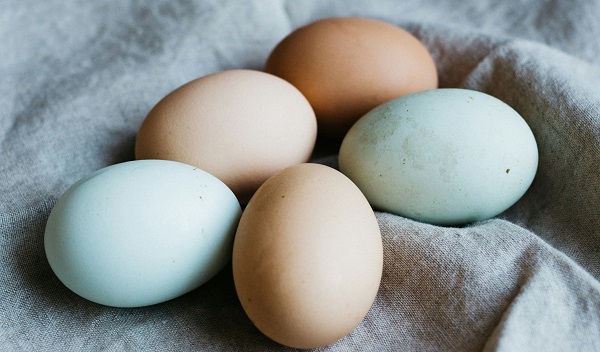
  • Eggs: Recent studies suggest that eggs, in moderation, may not significantly impact cholesterol for most people. However, if you have high cholesterol or are particularly sensitive, you may need to limit them. (Chris here: some of my favorite foods, eggs have 187 mg of cholesterol in one egg and shrimp has 189 in 100 grams which is about 3 large shrimp or 20 small shrimp. No worries about liver, I am not a fan.)
  • Red Meat: It’s best to reduce consumption of red meat due to its high saturated fat content. Lean cuts and moderation can be key.

Balancing a heart-healthy diet with regular exercise is the most effective strategy for lowering cholesterol  with diet and exercise naturally.

For now, my dog Peanut will be enjoying the yokes of my eggs.

Some people have tried various supplements to try to lower cholesterol numbers with varying degrees of success.  Things like red yeast rice, niacin B3, or Omega-3 Fatty Acids (fish oil.) Supplements should be used carefully as they are not regulated by the FDA and also may have unintended interactions or side effects.

I am visiting my doctor later this week for a six month update and am eager to see how my progress toward lowering my numbers through diet and exercise has been.

Have you had success in managing your cholesterol levels through diet and exercise? Please consider sharing your experience in the comments below. Any delicious cholesterol-lowering recipes are welcome!

Food Finds with Chris and Jill

#158 – Food Finds with Chris and Jill

Download | Play in New Window

In this episode, Jill and Chris discuss various websites and ideas for food challenges. They talk about what they love to eat in the summer and where they get inspiration.

Discussed in this episode:

  • Jill did a bike ride on Greenbriar River Trail in West Virginia and saw some UNUSUAL wildlife!
  • Rainbow Challenge update
  • Chris’s favorite salad currently: spring mix base with feta cheese, cherry tomatoes cut in half, chopped mushrooms, sardines in water, chopped walnuts, chopped olives, chopped yellow peppers and avocado.
  • Jill likes to put tuna or sardines on her salad sometimes. She also uses chicken breast when she has some already cooked.
  • Chris likes to make inside out egg rolls with shredded broccoli slaw, olive oil in a pan and ground turkey. With a little bit of soy sauce to taste, she says it’s a really great dinner.
  • She also does sheet pan veggie roasting during the summer, by roasting veggies early in the day while cooking breakfast, before the heat of the day.
  • Chris got a silicone baking mat so it makes for easy clean up. It is a food grade mat good for up to 500 degrees and is supposedly safe and doesn’t leach any chemicals
  • Jill is trying to add more fermented foods into her routine. She mixes plain and flavored Kefir together.
  • Chris has a frozen food find Zoodles. They are spiralized zucchini noodles that you can pretend is spaghetti if you cook them a bit, and serve with a warm sauce over them. She says if you do cook them, just for about one minute and then drain while running cold water over them.
  • Jill uses a spiralizer that goes on her kitchen mixer. It works pretty well, although she only uses it only occasionally.
  • Chris mentioned she was looking at the Julienne Peeler Stainless Steel Vegetable for about $15 from Amazon
  • Jill said she recently read another article about how great Turmeric is for us. it think of our discussion with Shivani Gupta. We talked with her in episode 133

Favorite Websites mentioned in the Food Finds with Chris & Jill episode:

  • Julia’s Album Chris gets a lot of salad ideas from Julia’s Album. It not only has wonderful recipes but also incredible photography. This is someone we’d love to interview on our podcast for another episode.
  • Jill likes a website called DETOXinista and she especially recommends the flourless chocolate cake recipe for special occasions. There are also some fish, lots of plant-based dishes. Most of it is gluten-free and low in sugar with healthy, quick, and easy plant-based recipes for every day using common ingredients, cooking hacks and minimal equipment.
  • Another site she recommends is DAREBEETS which is the recipe branch DAREBEE https://darebee.com/ (Darebee is a great site for workout ideas.)
  • One website that both Chris and Jill really like is Heike Yates’s website. They both enjoy her Pursue Your Spark podcast and her Recipe Packs for meal planning suggestions. She has been a guest twice on the Fit Strong Women Over 50 podcast in episode 71 and 146.
  • hungry-girl.com Chris loves the colorful recipes on the hungry girl website – like red, white, and blue desserts for 4th of July parties. She has found that some of them have more sugar than she wants to add or not so healthy fats. Sometimes using a recipe “as is” is not necessarily the best choice. Most recipes can be modified to make them more nutritious.Great for ideas!
  • www.skinnytaste.com has lots of air fryer recipes. Chris got one from her husband for Christmas and she is still learning to use it. The air fryer is great for when it’s hot outside, like it’s has been here during the last few weeks.

Leave a comment below and let us know your food find recipes! We’d love to hear from you. If it’s okay with you, we’ll even mention you in one of podcasts and share your healthy recipe with our Becoming Elli community.

Please SubscribeApple Podcasts  (iTunes) Google Podcasts | Pandora | Stitcher | Player FM Castbox | Tunein | Spotify | RSS | Amazon Podcasts | iHeartRadio |

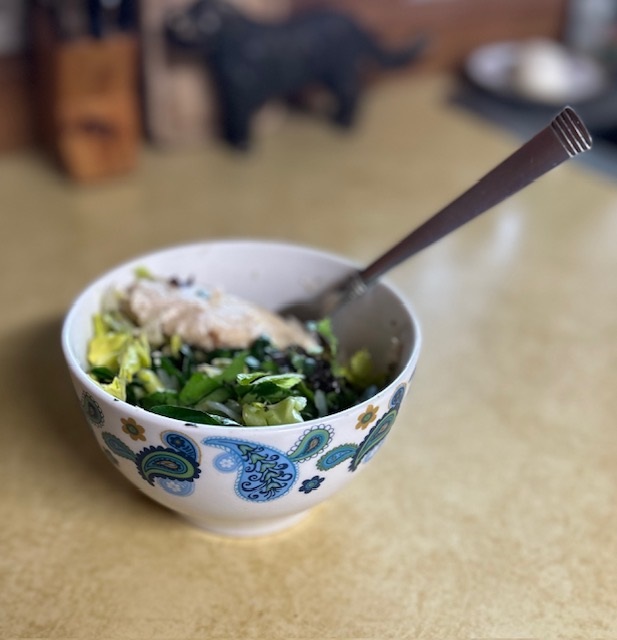
Spring Mix, Celery, Onion, Brown Rice and Chicken for Lunch

What’s your go-to on a crazy day? I love a spring mix salad with things I’ve already got prepped. A one bowl wonder that I am calling a salad.

Maybe you do your salads differently. Please let me know!

I really enjoy having a salad for lunch and today is no exception. Luckily I had food prepped for the week. I made a batch of chicken in the slow cooker. Cooked a couple of cups of brown rice to add to things. Sauteed some sweet onions.

Since everything was already prepped, I just had to assemble my salad!

Easy healthy lunch. It’s not hard when everything is prepped ahead of time. It’s one of those crazy busy days for me.

« Older posts

© 2026 Becoming Elli

Theme by Anders NorenUp ↑