Author: Jill McCauslin (Page 1 of 23)

Stronger Together: What I’ve Learned from the Becoming Elli Community

When Chris and I started Becoming Elli, we were searching for answers—and connection. Like many women over 50, I wanted to get stronger, healthier, and feel confident in my body again. But most fitness spaces didn’t seem to understand what that journey looks like for us. So we decided to create one. You can read more about our story and why we started this community here.

What began as a simple idea has blossomed into a vibrant, supportive community. Every day, I’m inspired by the stories you share: women running their first races, lifting heavier weights than they ever imagined possible, and rediscovering joy in movement.

Why We Cheer Each Other On

You know what I love most about this community? Watching how we lift each other up. It’s not about perfection or comparison—it’s about progress and persistence. When someone posts about finishing a challenging workout or making a nourishing food choice, others jump right in with encouragement. That support? It matters. It’s what keeps us all moving forward.

Strength Looks Different Than We Thought

Here’s something Chris and I have learned along the way: strength isn’t just physical—though that’s certainly part of it. Research shows that women who do strength training just two to three times a week can reduce their risk of death from heart disease by 30%, but it’s the emotional, mental, and social strength that often matters just as much. Every time a member reaches out with a kind word or shares a story of resilience, we all grow a little stronger together.

The science backs up what we see in our community every day. Studies have shown that strength training helps women over 50 maintain muscle mass, improve mobility, and increase healthy years of life. But beyond the numbers, we’ve witnessed something even more powerful: women discovering they’re capable of so much more than they thought possible.

Becoming Elli isn’t just a website or a podcast—it’s a movement. It’s living proof that women over 50 can redefine what strength looks like, on our own terms and together.

We’re grateful every single day to be part of this incredible community.

If you’re new here—welcome! Join the conversation, share your story, and discover what it means to become Elli: becoming strong, confident, and empowered at any age.


Ready to join us? Connect with our community on Facebook and start your journey today.

September Flying By: Time to Switch Up Your Fall Workout Routine

Okay, is it just me or did September literally disappear? Like, I swear it was Labor Day weekend yesterday and now I’m digging through closets for actual pants. Wild. I can always tell when it’s fall because my jeans come out and my old running shoes replace sandals as my go to shoes.

But honestly? I’m kind of here for it. There’s something about fall that makes me want to totally shake up my workout routine. Those sweaty summer gym sessions were great and all, but now that it’s getting chilly, my body is craving something completely different.

I’ve been really into strength training lately – there’s something so good about lifting heavy things when it’s cold outside. Like, my body naturally wants to build that internal heat, you know? Plus squats and deadlifts just hit differently when you’re not already sweating. (If you’re thinking about getting into lifting, Chris wrote more about why fall is strength-building season here!)

And can we talk about cozy cardio for a sec? I’m talking long walks while listening to podcasts, yoga in my living room with candles lit, or just dancing around to whatever’s on my playlist. I am not a dancer but it’s fun to bop around the house.

Movement doesn’t have to be this intense, sweaty thing all the time. (The whole cozy cardio trend is actually backed by experts – gentle movement can be just as beneficial!) And don’t you love how the things we’ve always done now get a name and analyzed? Crazy.

Honestly, I’m giving myself full permission to ditch the summer grind mentality. My body did a lot this summer – camping trips, hiking, all those outdoor adventures – and now it feels good to change it up.

So what’s your fall vibe going to be? Maybe finally trying that Pilates class you bookmarked? Getting back into lifting? Or just promising yourself you’ll take more walks now that the weather’s perfect for it? I’d like to hear about your fall workout routine.

I love how changing seasons give us this natural excuse to hit reset. We don’t have to keep doing the same workouts just because we always have. Fall energy is different – let’s lean into it and move our bodies in ways that make us feel amazing.

And if you’re in the southern hemisphere, let us know  how spring energy is different!

Why My Pedal-Assist Ebike Changed Everything

I’ll admit it – I was skeptical about ebikes. Maybe it’s because I’m attached to my vintage Cannondale hybrid, or maybe I had this idea that using electric assistance somehow wasn’t “real” cycling.

My boyfriend bought me a pedal-assist ebike for Christmas. I’d been dealing with some lung issues, and I think he thought it would help encourage me to keep riding. I was sort of embarrassed to have one and felt weird talking about using my bike. Funny how our vanity affects us, isn’t it?

The first thing I noticed? It still felt like riding a bike. You pedal, you steer, you brake – all the familiar motions are there. But then you feel it: this gentle, almost magical push that makes everything easier. It’s not like a motorcycle where you twist a throttle and zoom off. The motor only kicks in when you’re pedaling, amplifying your effort rather than replacing it. (There are ebikes that have a throttle. They’re like large mopeds and that’s not what I have. They’re not allowed on the trails around me.)

I rode through some rolling hills that normally would have had me wondering why I thought this was a good idea. Instead, I found myself actually enjoying the climbs. The assist didn’t do the work for me, but it smoothed out those moments where your legs start burning and your breathing gets heavy. I was still getting exercise (I could feel it in my muscles) but I wasn’t gasping for air at the top of each hill, though I was breathing a bit heavier.

What surprised me most was how it changed my whole mindset about the ride. Instead of mentally calculating whether I had enough energy to make it up the next hill, I was actually looking around, enjoying the scenery, having conversations. The physical challenge was still there, but it wasn’t overwhelming everything else.

A pedal-assist bike has let me ride with my boyfriend and keep up. It’s discouraging to always be lagging behind.

I think there’s room in my garage for one more bike after all.

Curious about the technical side of pedal assist? This beginner’s guide explains how the technology actually works.


The Real Deal About Getting Fit and Strong

Here’s what I wish someone had told me years ago: fitness isn’t about perfection. It’s about showing up, even when you don’t want to. Getting fit and strong  isn’t a one stop deal. It’s a long term prospect.

You know how they’re always saying, “It’s not a sprint, it’s a marathon.” Well, that’s true. In fact, it might actually be an ultra.

I’ll be honest – I’ve fallen for the all-or-nothing trap more times than I care to admit. You know the one. Where you’re either crushing every workout and meal prepping like a boss, or you’re sprawled on the couch wondering where your motivation went. Sound familiar?

But here’s what I’ve learned through my own messy journey: becoming fit and strong isn’t about those dramatic before-and-after photos. It’s about the quiet moments when no one’s watching and you choose to move your body anyway.

Let’s Get Real About What “Fit” Actually Means

We’ve got this weird idea that you’re either fit or you’re not. Like there’s some magic line you cross where suddenly you’re “officially” in shape. But that’s not how it works.

Fitness shows up differently for all of us. Maybe it’s having the energy to chase your kids around the playground. Maybe it’s carrying all your groceries in one trip (because who has time for two?). Maybe it’s feeling strong and capable in your own skin.

The other day I picked up a 40-pound bag of dog food and put it in my cart. A nearby woman said “oh, it’s a workout day.” I’m happy that I can carry the dog food from my car and into the house without needing help.

I’ve seen people who can deadlift twice their body weight but get winded walking up a flight of stairs. I’ve seen others who might not look “fit” by magazine standards but have incredible endurance and feel amazing in their bodies. Which one is “fitter”? The answer is: who cares?

I know I  have a tendency to feel competitive about things like deadlifts and bench presses but really I am only competing with myself.

The CDC defines physical fitness in terms of health benefits, not appearance or performance metrics – and that’s exactly the mindset shift we need.

The Magic of Tiny Movements

You don’t need a perfect workout plan or expensive equipment to start becoming stronger. You need to start where you are, with what you have.

Take the stairs instead of the elevator. Do squats while your coffee brews. Park a little further away. Dance while you’re cooking dinner. These aren’t Instagram-worthy moments, but they add up to something powerful over time.

I started my fitness journey doing wall push-ups in my living room because regular push-ups felt impossible. Those wall push-ups led to knee push-ups, which eventually led to full push-ups. Not because I followed some perfect program, but because I kept showing up, even when it felt silly.

Research shows that even small amounts of activity can have significant health benefits – we’re talking as little as 15 minutes a day making a real difference.

Your Body Tells a Story

Here’s something the fitness industry doesn’t want you to know: your body isn’t broken, and it doesn’t need to be “fixed.” It needs to be listened to.

Some days you’ll feel strong and ready to tackle anything. Other days, your body will ask for gentleness. Both are okay. Both are part of the process of becoming.

I learned this lesson the hard way when I pushed through pain and ended up sidelined for weeks. Now I know that sometimes the strongest thing you can do is rest. Sometimes it’s asking for help. Sometimes it’s modifying a workout because your body needs something different today.

Learning to listen to your body is a skill that extends far beyond fitness – it impacts how you handle stress, make decisions, and care for yourself in all areas of life.

Related Posts You Might Enjoy:

In Part 2, we’ll dive into what real strength looks like beyond the physical and how to build sustainable habits that actually stick. What’s resonating most with you about redefining fitness on your own terms?


Boost Your Health: Simple Ways to Add More Fiber to Your Diet

Fiber is one of the most underrated nutrients in our daily diet, yet it plays a crucial role in maintaining optimal health. From supporting digestive health to helping regulate blood sugar levels, increasing your fiber intake can transform how you feel every day. I don’t know about you but I can struggle to get in enough fiber. I feel like eating vegetables should be enough but you sometimes have to add in things like berries, lentils, beans, and seeds. Did you know raspberries are fiber powerhouses?

Why Fiber Matters

Most adults need 25-35 grams of fiber daily, but the average American consumes only about half that amount. For women over 50, fiber becomes especially important as metabolism naturally slows and digestive efficiency can decline. According to the American Heart Association, fiber helps keep you feeling full longer, supports healthy gut bacteria, and can help lower cholesterol levels, particularly beneficial as heart disease risk increases with age. Learn more about natural ways to manage cholesterol for comprehensive heart health. It’s like giving your digestive system a gentle, natural tune-up while supporting long-term health.  There are supplements you can use to increase your fiber intake but I prefer to concentrate on real foods.

Easy Ways to Increase Fiber

Start your morning with a fiber boost by choosing whole grain cereals or adding berries to your breakfast. Raspberries pack an impressive 8 grams per cup, while a medium apple with skin provides 4 grams. If you’re trying to also have a high protein diet, consider throwing those berries on top of a serving of Greek yogurt or on a chia pudding.

Swap refined grains for whole grain alternatives. Choose brown rice over white, whole wheat pasta instead of regular, and look for bread with at least 3 grams of fiber per slice. These simple switches can double your fiber intake without changing your favorite meals.

Don’t forget about legumes – beans, lentils, and chickpeas are fiber powerhouses that also provide plant-based protein to help maintain muscle mass. Add white beans to soup, toss chickpeas in salads, or try a hearty lentil curry. Just one cup of cooked black beans delivers a whopping 15 grams of fiber plus 15 grams of protein.

Smart Implementation Tips

Increase fiber gradually over 2-3 weeks to avoid digestive discomfort, as digestive sensitivity can increase with age. Your body needs time to adjust to higher fiber levels. Drink plenty of water throughout the day, as fiber works best when you’re well-hydrated. Aim for at least 8 glasses daily.

Keep the skins on fruits and vegetables when possible. That’s where much of the fiber lives. Snack on nuts, seeds, and fresh fruit instead of processed options.

Making these changes doesn’t require a complete diet overhaul. Small, consistent choices that let you add more fiber to your diet can add up to significant health benefits that you’ll notice in your energy levels and overall well-being.

It’s Never Too Late to Get Strong: Strength Training for Women Over 50

I’ll be honest with you – when I first walked into a gym at 52, I felt completely out of place. All those young people lifting heavy weights, grunting and sweating, while I could barely figure out how to adjust the seat on the leg press machine. But here’s what I wish someone had told me back then: strength training for women over 50 isn’t just possible, it’s one of the best gifts you can give yourself.

Why Your Body is Actually Ready for This

Let’s talk real talk for a minute. After 50, our bodies start losing muscle mass faster than we’d like to admit. It’s called sarcopenia, and it’s not just about looking good in clothes (though that’s a nice bonus). We’re talking about maintaining the strength to carry groceries, play with grandkids, and feel confident in our own skin. According to the National Institute on Aging, strength training literally helps us stay independent longer and can even help prevent falls.

I remember the first time I deadlifted my own body weight. I was 54, and I cried happy tears right there in the gym. Not because it was easy – it wasn’t – but because I finally felt powerful again.

Starting Smart, Not Hard

Here’s the thing about beginning strength training later in life: you don’t need to bench press your weight or do anything Instagram-worthy. Many women over 50 find success starting with bodyweight exercises like squats, wall push-ups, and modified planks. Your couch can become your gym – seriously. Use it for incline push-ups, step-ups, and tricep dips.

When you’re ready for weights, resistance bands are your best friend. They’re gentle on joints, affordable, and you can use them anywhere. I keep a set in my car because you never know when you’ll have ten minutes to squeeze in some bicep curls. For a complete beginner’s routine, check out my essential strength training moves for women over 50.

Listen to Your Body (It’s Smarter Than You Think)

Recovery becomes more important as we age, and that’s okay. While twenty-somethings might train six days a week, three solid strength sessions weekly can work wonders for us. I learned this the hard way after overdoing it early on and spending a week hobbling around like I’d been hit by a truck.

The Best Part? It Gets Easier

What started as intimidating became my favorite part of the week. I sleep better, my back doesn’t ache after gardening, and I feel genuinely proud of what my body can do. Plus, there’s something incredibly empowering about being the strong woman who doesn’t need help opening jars anymore.

Trust me, your future self will thank you for starting today.

Beyond the Basic Bowl: Creative Ways to Use Quinoa

So you’ve jumped on the quinoa bandwagon (welcome to the club!), but you’re getting tired of the same old quinoa-and-vegetables routine. I get it. Even superfoods can get boring when you’re eating them the exact same way every single day. The good news? Quinoa is way more versatile than most people realize. There are some creative ways to use quinoa in your cooking. Chris and I have written about quinoa before and came up with some good ideas but you can always use more.

Quinoa is a good source of vegetarian protein so it’s worth trying to figure out ways to use it creatively.

First up, let’s talk breakfast. Quinoa porridge is a game-changer for anyone looking to switch up their morning routine. Cook quinoa in milk (dairy or plant-based), add some cinnamon, vanilla, and a drizzle of maple syrup. Top it with fresh berries and nuts, and you’ve got yourself a protein-packed breakfast that’ll keep you full until lunch. You can even make it the night before and heat it up in the morning.

Feeling fancy? Try quinoa pancakes. Just blend cooked quinoa with eggs, a banana, and a splash of milk. The result is fluffy, protein-rich pancakes that don’t require any flour. They’re naturally gluten-free too, which is a nice bonus.

For lunch and dinner, think beyond the bowl. Quinoa makes an excellent stuffing for bell peppers, zucchini, or tomatoes. Mix it with herbs, diced vegetables, and maybe some cheese, stuff it into your veggie of choice, and bake. It’s like comfort food that happens to be incredibly nutritious.

Quinoa salads are where things get really interesting. Unlike lettuce-based salads, quinoa salads actually get better as they sit, making them perfect for meal prep. Try a Mediterranean version with cucumber, tomatoes, olives, and feta. Or go Mexican with black beans, corn, avocado, and lime dressing.

Here’s something most people don’t think of: quinoa burgers. Mash cooked quinoa with some beans, add an egg to bind everything together, season it up, and form into patties. They hold together surprisingly well and have this great nutty flavor.

You can even use quinoa in desserts. Quinoa chocolate bark with nuts and dried fruit is surprisingly addictive. Or try quinoa energy balls mixed with dates, nut butter, and cocoa powder.

The key with quinoa is seasoning. On its own, it’s pretty neutral, but that means it plays well with whatever flavors you want to throw at it. Whether you’re going for Mediterranean, Asian, Mexican, or just plain comfort food vibes, quinoa is happy to go along for the ride.

There are plenty of creative ways to use quinoa so stop thinking of it as just a rice substitute and start seeing quinoa as the culinary chameleon it really is.

Getting Your Protein Fix: The Vegetarian Way

One of the first things people ask when you go vegetarian is, “But where do you get your protein?”  It’s like they think protein only exists in chicken nuggets and steak. Spoiler alert: it doesn’t! There’s actually a whole world of delicious, protein-packed foods that don’t involve any animals whatsoever.

I’m not actually vegetarian so I don’t get asked this question but I’ve been told this is a common question. I’ve also heard people say they can’t go vegetarian because they can’t get enough protein. I don’t think that’s true.  I’m trying to include more plants in my daily diet and that includes getting protein. I know there are plenty of protein sources that don’t include animals. Chris and I have discussed protein and written about it on the blog.  I’m not sure we’ve ever focused completely on vegetarian protein.

Let’s start with the obvious superstar: beans and legumes. Black beans, chickpeas, lentils, and kidney beans are basically nature’s protein pills. A cup of cooked lentils gives you about 18 grams of protein, which is comparable to a serving of chicken or hamburger or three eggs. Plus, beans and legumes are incredibly versatile and can be used in a variety of ways. Throw chickpeas into a curry, make a hearty lentil soup, or mash up some black beans for killer veggie burgers.

Then there’s quinoa, the grain that thinks it’s a complete protein (and technically, it is). Unlike most plant proteins, quinoa contains all nine of the essential amino acids that your body needs. It’s like the overachiever of the grain world. Cook it up as a side dish, toss it in salads, or use it as a base for Buddha bowls.

Don’t ignore nuts and seeds either. Almonds, peanuts, hemp seeds, chia seeds – they’re all packing serious protein punch. Two tablespoons of peanut butter gives you about 8 grams of protein, which makes your morning toast feel a lot more substantial. I often skip nuts and seeds because they’re also calorie dense but a reasonable portion is a good source of protein and makes for a nice snack or addition to your salad.

Tofu and tempeh deserve their own shoutout. I know, I know – tofu gets a bad rap for being bland, but that’s actually its superpower. It takes on whatever flavors you throw at it. Marinate it, fry it, scramble it, or blend it into smoothies. Chris has told us on the podcast how much she enjoys tofu. She admitted that she is now able to eat it plain as a snack.

Tempeh, tofu’s fermented cousin, has a nuttier flavor and even more protein. You can use it as a meat substitute in sandwiches and salads.

Even some vegetables are surprisingly protein-rich. Spirulina, nutritional yeast (it’s cheesier than it sounds), and even regular old spinach contribute to your daily protein goals.

The truth is, as long as you’re eating a varied diet with plenty of whole foods, getting enough protein as a vegetarian isn’t rocket science. Your body is pretty smart about combining different protein sources throughout the day to make sure you’re getting everything you need.

So the next time someone asks about your protein intake, you can smile and tell them about your amazing lentil dal or that incredible tempeh stir-fry you made last week.

Mat Pilates for Women Over 50

Mat Pilates for Women over 50? In our talk with Coach Adina O’Neill, Adina mentioned the value of doing Pilates as a cross training exercise.  That motivated me to return to the Mat Pilates class at my gym.  The first class I attended this time was a real eye opener. I could tell I was working my abs. I also really felt my hips moving in ways that I don’t do much anymore. Nothing really hurt but I was sore afterwards. Not injured but I could sure tell I’d used my body in a different way.

Mat Pilates offers a way to improve strength, flexibility, and balance without the need for equipment other than a Mat. At Becoming Elli, we’re all about empowering strong women, and Mat Pilates fits right in with our thoughts on staying strong, healthy, and active.

What Is Mat Pilates?

Mat Pilates is a low-impact exercise system developed by Joseph Pilates in the early 20th century. It focuses on controlled movements, core strength, and mindful breathing—all performed on a Mat. Unlike traditional Pilates that uses machines like the Reformer, Mat Pilates relies solely on your body weight for resistance.

Why Mat Pilates Is Perfect for Women Over 50

  1. Strengthens the Core: Core strength is essential for maintaining good posture, reducing back pain, and enhancing overall stability. Mat Pilates targets deep abdominal muscles, helping you feel stronger from the inside out.
  2. Enhances Flexibility: Aging often leads to reduced flexibility, but regular Pilates practice can improve your range of motion, making everyday activities easier and more comfortable. I definitely felt that range of motion with some of the hip exercises.
  3. Boosts Balance and Stability: Mat Pilates emphasizes balance and coordination, reducing the risk of falls and increasing your confidence in movement. We talk frequently about keeping active to avoid falling.
  4. Low-Impact and Joint-Friendly: Unlike high-impact exercises that can stress the joints, Mat Pilates is gentle on the body, making it ideal for those with arthritis or joint sensitivities.
  5. Improves Mind-Body Connection: Pilates requires focus and precise movements, fostering a stronger connection between your mind and body. This mindfulness can enhance your mental well-being, reduce stress, and improve overall quality of life. The instructor in my Mat Pilates class is always reminding us to inhale and exhale. The breathing is a bit different in focus than in yoga but it seems like the same general idea.

Getting Started with Mat Pilates

The beauty of Mat Pilates is its accessibility. All you need is a Mat and a bit of space. Here are some tips to get started:

  • Find a Class: Look for local classes. Many community centers and gyms offer Mat Pilates classes.  Many places offer Mat Pilates even if they don’t offer Reformer Pilates classes.
  • Online Resources: If you prefer working out at home, there are plenty of online videos and tutorials designed for all fitness levels.

Essential Mat Pilates Moves for Beginners

  1. The Hundred: Great for warming up and engaging your core. Every Pilates class I’ve ever taken has included the Hundred in the first part of the class.
  2. Roll-Up: Improves spinal flexibility and strengthens abdominal muscles.
  3. Leg Circles: Enhances hip mobility and strengthens your core. This is where I felt my hips saying, “hey, I haven’t moved this way in a while!”
  4. Plank: Builds overall strength and stability. Regardless of the kind of workout you’re doing, planks seem to fit right in.

Why Mat Pilates Is More Than Just Exercise

Beyond physical benefits, Mat Pilates nurtures your mental and emotional well-being. It encourages you to slow down, breathe deeply, and focus on the present moment—an invaluable practice in our fast-paced world.

Conclusion

Adding Mat Pilates into your fitness routine can help you stay strong, balanced, and energized. Whether you’re just starting your fitness journey or looking for a new way to maintain your health, Mat Pilates is a great option.

Oh yes, here’s the disclaimer: as with any new exercise routine, consult with your healthcare provider before starting.

Have you tried Mat Pilates? We’d love to hear about your experiences! Share your thoughts in the comments below or join our Becoming Elli community for more fitness inspiration.

Stay strong, stay active, and keep moving forward!

Mat Pilates for Women Over 50


Buddha Bowl

What is a Buddha Bowl? It usually includes a combination of both cooked and raw vegetables, whole grains, a source of protein and a sauce. Buddha Bowls were originally a vegan dish but if you’re not a purist, you can add some animal protein. I usually end up with chicken or some shrimp on mine.

The beauty of Buddha bowls lies in their flexibility—you can tailor them to fit your taste preferences, dietary needs, and what you have on hand. Whether you’re aiming for plant-based, low-carb, or just looking to increase your vegetable intake, there’s a Buddha bowl for you.

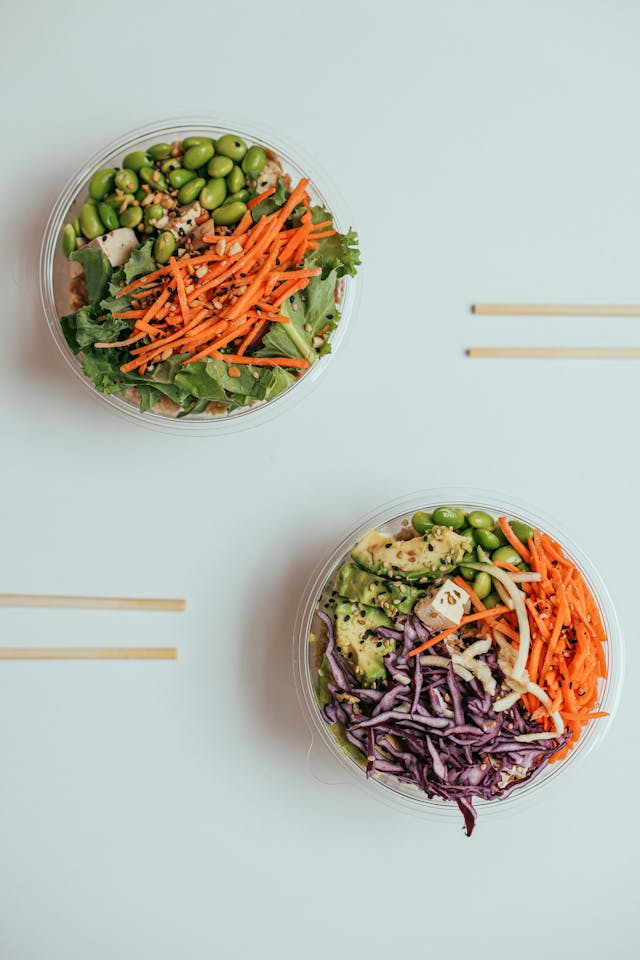
To build your own, start with a base like quinoa, brown rice, or leafy greens. Add colorful vegetables like roasted sweet potatoes, bell peppers, carrots, or cucumbers for a burst of flavor and nutrients. Next, include a protein source. For a plant-based option, try chickpeas, black beans, or tofu. If you prefer animal-based protein, grilled chicken or shrimp works well too. Finish it off with healthy fats like avocado, nuts, or seeds, and a drizzle of sauce—think tahini, hummus, or a light vinaigrette.

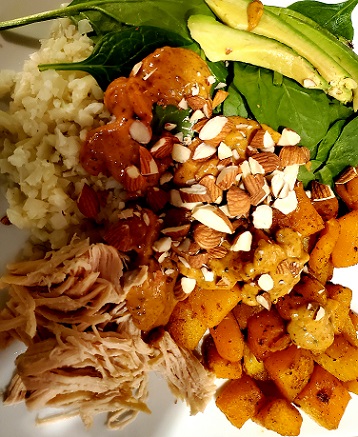
I have made Buddha bowls with a variety of ingredients. It comes down to what I have on hand. For one meal, I used cauliflower rice with roasted butternut squash and spinach. I added some shredded chicken breast and sliced avocado. I topped it with a sauce I had made and then sprinkled some chopped peanuts over it.

For another meal, I used some cooked quinoa, roasted sweet potato, raw spinach, chickpeas, a spicy almond butter sauce, and a sprinkling of roasted squash seeds.

One of the greatest things about Buddha bowls is that they make healthy eating feel satisfying and fun. They’re perfect for meal prep too. You can chop your veggies, cook your grains, and have everything ready in advance, making weekday lunches or dinners a breeze. Plus, there’s something so fulfilling about seeing a bowl full of nourishing, real food that’s ready to fuel you through your day.

If you’re looking for a fresh way to shake up your meals, give Buddha bowls a try. They just might become your new go-to!


« Older posts

© 2026

Theme by Anders NorenUp ↑