Fit Strong Women Over 50.

Tag: strength training

It’s Never Too Late to Get Strong: Strength Training for Women Over 50

I’ll be honest with you – when I first walked into a gym at 52, I felt completely out of place. All those young people lifting heavy weights, grunting and sweating, while I could barely figure out how to adjust the seat on the leg press machine. But here’s what I wish someone had told me back then: strength training for women over 50 isn’t just possible, it’s one of the best gifts you can give yourself.

Why Your Body is Actually Ready for This

Let’s talk real talk for a minute. After 50, our bodies start losing muscle mass faster than we’d like to admit. It’s called sarcopenia, and it’s not just about looking good in clothes (though that’s a nice bonus). We’re talking about maintaining the strength to carry groceries, play with grandkids, and feel confident in our own skin. According to the National Institute on Aging, strength training literally helps us stay independent longer and can even help prevent falls.

I remember the first time I deadlifted my own body weight. I was 54, and I cried happy tears right there in the gym. Not because it was easy – it wasn’t – but because I finally felt powerful again.

Starting Smart, Not Hard

Here’s the thing about beginning strength training later in life: you don’t need to bench press your weight or do anything Instagram-worthy. Many women over 50 find success starting with bodyweight exercises like squats, wall push-ups, and modified planks. Your couch can become your gym – seriously. Use it for incline push-ups, step-ups, and tricep dips.

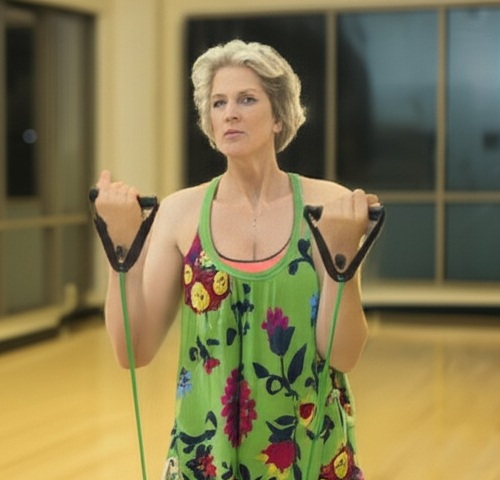
When you’re ready for weights, resistance bands are your best friend. They’re gentle on joints, affordable, and you can use them anywhere. I keep a set in my car because you never know when you’ll have ten minutes to squeeze in some bicep curls. For a complete beginner’s routine, check out my essential strength training moves for women over 50.

Listen to Your Body (It’s Smarter Than You Think)

Recovery becomes more important as we age, and that’s okay. While twenty-somethings might train six days a week, three solid strength sessions weekly can work wonders for us. I learned this the hard way after overdoing it early on and spending a week hobbling around like I’d been hit by a truck.

The Best Part? It Gets Easier

What started as intimidating became my favorite part of the week. I sleep better, my back doesn’t ache after gardening, and I feel genuinely proud of what my body can do. Plus, there’s something incredibly empowering about being the strong woman who doesn’t need help opening jars anymore.

Trust me, your future self will thank you for starting today.

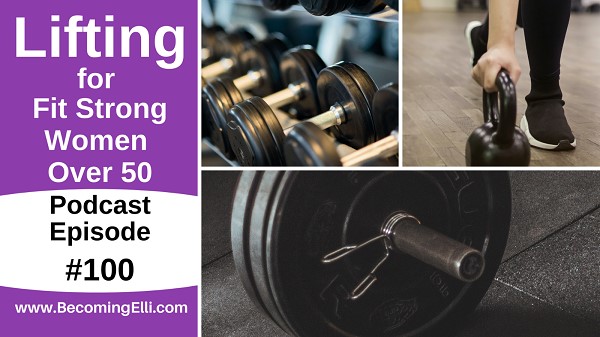
Lifting for Fit Strong Women Over 50

Episode 100 – Lifting for Fit Strong Women Over 50

Download | Play in New Window
Please SubscribeApple Podcasts  (iTunes) Google Podcasts | Android-Google Play | Stitcher | Player FM Castbox | Tunein | Spotify | RSS

In episode 100, Jill and Chris review what they have learned during the past 100 episodes. Many topics have been covered, but what really stands out is the importance of strength training.

Over the past episodes there have been many experts who have talked about lifting for fit strong women over 50, including how to get started, progressive overloading, good form, avoiding injury, tracking progress and more.

In this episode, Jill and Chris discuss the “whys” and “hows” of lifting and include clips from past episodes featuring interviews with:

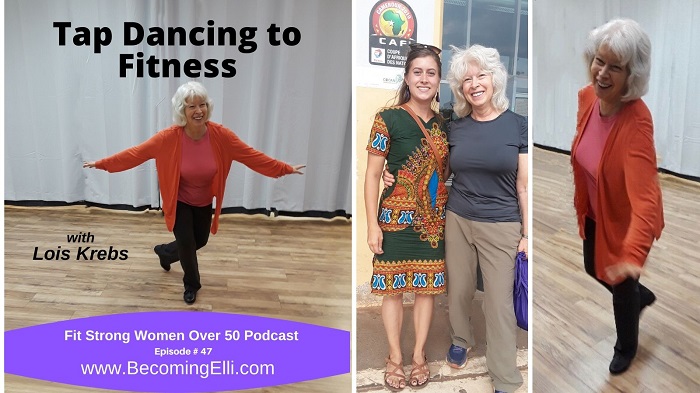
Tap Dancing to Fitness

Tap Dancing to Fitness Episode #47 of the Fit Strong Women Over 50 Podcast

Download | Play in New Window
Please SubscribeApple Podcasts  (iTunes) Google Podcasts | Android-Google Play | Stitcher | Player FM Castbox | Tunein | Spotify | RSS

Jill and Chris discuss life changes after 50 with Lois Krebs and how she keeps fit with tap dancing. Lois moved from working in a corporate office, went back to school and launched a new career as a nurse.

Although Lois felt she was “horrid” when she tried tap dancing in her twenties, she found many advantages when she took up tap dancing again in her 50’s.

“I noticed the other day, when I go down steps at work I go as fast as I can, down the middle of the stairs, not holding the handrails. My balance has definitely improved.”

Benefits of Tap Dancing:

  • Your brain memorizing the dance routines
  • Organized evening out
  • “Got me off the couch”
  • Movement and rhythmic
  • Love the sound
  • Fun to do – active
  • Strengthen legs/ankles
  • Coordination improvement
  • Making new friends
  • Emotional – Social – Physical – Mental

Other exercises that Lois does during the week:

  • Yoga – one night a week – relaxation/ breathing and stretching, improving circulation and balance
  • Exercise at home with hand weights/ dumb bells
  • Core, upper body, legs – strength training
  • Cycling – I ride on trails. I used to do 100-mile rides, fairly often.

We also talked about her success in working with a fasting elimination diet for 6 weeks and what she learned. It has changed how she prepares food and what she eats. She has worked with a chiropractor. She also did an endurance test and worked through a functional sports medicine program.

Some Examples of Importance of Functional Fitness:

  • Gardening – working the beds requires strong muscles to get out and work the soil
  • Carrying groceries for yourself – from the store to the car to the house/apartment without help
  • Putting luggage into the overhead bin on an airplane – you can’t travel if you can’t move your luggage!
  • “Something I read a while ago, one of the number one reason people go into assisted-living facilities is that they can’t get off the toilet by themselves.”

Food – how she organizes her eating:

  • Smoothies in the morning (vegetables, greens & some fruit)
  • Eggs on her day off for breakfast
  • Hot lunch at work (brings from home) her big meal of the day
  • She likes to stir fry when she needs a go to recipe.

She avoids all the high calorie snacks that many families bring into the residential facility where she works (such as cakes, donuts, cookies) by making sure she’s not hungry.

As someone who works at a residential living facility caring for people as a nurse, Lois offers this advice for aging well:

  • Keep the weight under control (most important)
  • Stay as active as your body will let you as long as possible
  • Find new interests and hobbies
  • Do things with friends so it is fun
  • Accomplishing a goal and meeting challenges

Mentioned during the podcast:

© 2026 Becoming Elli

Theme by Anders NorenUp ↑