Becoming Elli

Fit Strong Women Over 50.

Page 56 of 65

Review: Aftershokz Trekz Air Wireless Bone Conduction Headphones

I returned from my trip abroad this summer and apparently my boyfriend missed me because he bought me  a pair of Trekz Air Wireless Bone Conduction Headphones by Aftershokz as a welcome home gift. I felt a little guilty because I brought him some souvenir gifts from Italy but I scored the fancy present.

Wireless Bone Conduction Headphones

I’ve talked before about my running playlist. I enjoy listening to music or podcasts while I’m running. Last summer I bought a pair of Plantronics Bluetooth headphones for running and I really liked them. They have ear buds though which means that it makes it harder to hear what’s going o around me plus I’m always fiddling with the earbuds. I can deal with the earbuds when running on a treadmill but I like to run on local trails. I began to worry about safety while out running by myself. So, I tried running with just one earbud in and that worked OK but was not the best solution.

Shortly after buying the Bluetooth headphones, I went to a talk held at a local running store and while I was browsing, I saw these wireless bone conductive headphones. They had a sample there to try and I was thrilled by them and then sorry that I had just spent my headphone money on the earbuds version of Bluetooth headphones.

Wireless Bone Conduction Headphones

So, what are bone conduction headphones? They are headphones that rest just in front of the ear. The headphones conduct the sound through the bone so you hear while bypassing the eardrum. I thought that was the coolest thing. The advantage of them is that you can hear your music or podcast but also hear everything going on around you because your eardrum is not blocked by the earbuds.

Wireless Bone Conduction Headphones

I love these headphones. They’re so light that I have forgotten that I’m wearing them. I realized the other day that I’d been walking around for quite a while with them still on my head.

The sound is good. I can listen to my running playlist at a low to moderate volume and hear it without problems. I think it sounds good with a good range of bass and treble. I’ve checked with a couple people and they have reported that they can’t hear the music so that’s a relief. I hate walking around with everyone being able to hear my sometimes-embarrassing playlist. That happened a lot when I was only wearing one earbud.

I like that I can talk on the phone while wearing them. Again, I’ve checked with a couple people and they say I sound great on their end.

They charge with a mini-USB charger. So, this might be a negative. I’ve noticed that the headphones won’t charge using the cord that I use to charge my phone and everything else I own. I’ve had to use the cable that came with the headphones. That’s fine as long as the cable doesn’t get lost. That’s been known to happen when people come to visit and want to borrow a charging cable.

The controls for these headphones are small buttons on the stem and on the actual piece that rests on the bone. This is my complaint with all Bluetooth headphones. I tend to forget which button does what so I’m often fumbling with the buttons and looking like an idiot. The controls on the Trekz Air seem to be somewhat easier to use but we’ll see what happens when I want to answer the phone while I’m out running.

I’ve worn them running and they were great. While wearing my sunglasses, hat, and headband, I added the wireless bone conduction headphones. They were comfortable and I heard the music without problem. I also conducted a lengthy conversation with someone without having to remove the headphones. I did get sweaty while wearing them and they continued to work fine. I’ve not worn them in rainy weather yet so can’t address that.

The Details

The Trekz Air Wireless Bone Conduction Headphones by Aftershokz cost somewhere between $90 and $120, based on my searches on Amazon. Apparently there are some different models and colors so the price seems to vary. I see that there are other brands of the same kind of the wireless bone conduction headphones but haven’t tried any of them.

The box includes the headphones, the charging cable, a carrying case that zippers, instructions, and ear plugs. The instructions say to use the ear plugs when it is safe to block out ambient noise such as being on a train or airplane.

Wireless Bone Conduction Headphones

I highly recommend the Trekz Air wireless bone conduction headphones. They’re lightweight, comfortable, and allow you to listen to your playlist or podcast and still be aware of what’s happening around you.

Wireless Bone Conduction Headphones

What I Have Learned in 7 Years of Training for my Annual 150 Mile Bike Ride

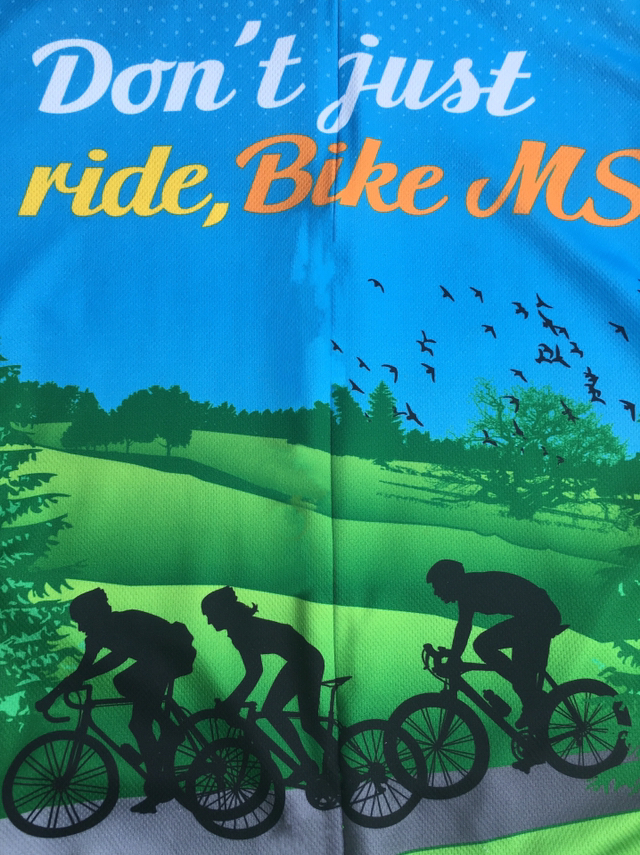
I’m doing the MS150 bike ride this weekend!

Before I got fit, if you had told me that I’d be comfortable riding 150 miles on a bicycle, I would have thought you were crazy.

The first ride I took with the team I eventually joined, I remember really wanting to turn around before we had even ridden 4 miles. I was riding a hybrid-style bike with big heavy tires and a wide puffy seat. I thought it would be comfortable, but I now know that a street bike with skinny tires and a tiny seat, that fits my sit bones, is way more comfortable and easier to ride.

It all started in winter of 2011 when I tried spinning at my gym. I signed up to do the 150-mile bike ride. This year is my 7th year in a row. I ride it every year as a fundraiser for MS research with my “Skiers On Bikes” team.

Besides being a good way for me to stay in shape, build some wonderful friendships and enjoy a hobby that has become my favorite spare time activity, I’ve raised lots of money for a very important cause.

2011 with the Raleigh Record

My First Year
I knew I couldn’t make it all 150 miles on that hybrid bike, so I looked for an old street bike at yard sales. I found a Raleigh Record and bought it for $35. We put new tubes and tires into it.

That first year it took me all day for the first half of 75 miles. It was hot, hot, hot and I really wasn’t sure I was going to be able to complete it.

The second day it rained. (NO, actually it poured.) But I fell in love with bike riding. Since then I’ve since invested in a different bike, some additional equipment and have pedaled thousands of miles.

Since then, all that bike riding has taught me about fueling my body. Riding lots of training rides has helped.

Here are a few things I’ve learned in training for this 150 mile bike ride for 7 years in a row:

Weather:

  • You can’t control the weather, so quit worrying about it. I try to plan for bad weather, but enjoy the good weather! (Wear sun screen and sunglasses. Bring a raincoat.)
  • You can enjoy the bad weather too because it makes you appreciate the good weather more! (Wear a baseball cap to keep the rain out of your eyes.)
  • When there is snow and ice everywhere, don’t try to ride outside! Go skiing instead to enjoy the weather!

Food:

  • Potlucks are fun, but it is really easy to overeat.
  • Don’t bring chocolate covered energy bars on a hot bike ride. They melt.
  • Pack something that keeps (like nuts or packaged gels) so you have extra energy with you if you really need it.
  • Two water bottles are better than one.

Other Riders:

  • Don’t compare yourself to the other riders. Everyone else has their story, their training history, their injuries and their motivation for riding.
  • Don’t leave anyone behind. It’s important to build the confidence of new riders so they will join you again next time. And sometimes YOU will be the slow rider.
  • Make it more fun by riding with other people. This keeps me coming back for more. And I’ll show up even when I’ve had a bad day because I already told someone else I was riding.
  • Be vocal so people know what you’re doing. Ring a bell to alert people. Watch out for the other guy but make your own decisions in crossing roads, merging and deciding where to stop.

Equipment:

  • Bicycle pants with a padded butt are worth the money.
  • Learning how to fix a flat tire is a very good thing. And it’s even better when you can help someone else.
  • It takes practice and time to build the muscle memory so that riding a bike is more automatic. I’m talking about the toe clips that attach my sandals to the pedals, two hand breaks on the handlebars and left/right gear shifters for the front and rear gears.
  • Toe clips give you A LOT more power. If you aren’t comfortable with biking shoes being locked onto the pedals, baskets that you slip your toes into also help and are quicker to release.
  • Flashing lights helps drivers and other bikes see you.
  • Storage is good. I have a handlebar pack for a raincoat and a light, a seat pack for a spare tube, tools and a CO2 cartridge, as well as a fanny pack for my epipen/phone and cash.

Saturday morning (today), we leave the parking lot around 6:30 am when the sun comes up, ride 75 miles and I expect we’ll get to Ashland University around 2 pm or so. Then Sunday morning we’ll do the same ride in reverse.

I promis to write a re-cap next week with photos to let you know how it went. – Chris
Leave a comment or question below.

Car Trips and Trying to Be Healthy

Besides flying to Italy, all of my travel has been by car this year. I’ve made numerous long car trips this summer. I’m talking about trips ranging from six to ten hours. Those days are hard to get my steps in and hard to eat the way I want. I struggle with this so all I can do is share some of the things I try. I’d sure appreciate hearing from others how they handle long car rides.

Entertainment on Car Trips

Now, I’m usually alone when I take these trips. In order not to be bored and not to have to rely on the radio while driving through the West Virginia mountains, I make sure to have some music downloaded onto my phone. I also make sure to have a variety of podcasts downloaded. (Hint: you might download a few episodes of the Becoming Elli podcast for your next road trip!)

Eating on Car Trips

I make sure I have a couple of water bottles in the car. I also try to have a travel mug filled with coffee. It’s a challenge to find coffee sometimes on the road. Since I’m not really a soda pop drinker, this suffices for me.

Travelling to my destination

When I leave home and head out, it’s a bit easier to pack food. I try to pack things that I know won’t make too big a mess and that I can handle while driving. That usually includes a protein bar and maybe a Kind bar, a couple of cheese sticks, a snack pack of mixed nuts, and fruit such as apple or banana, and crackers.

I have not figured out how to avoid snacking while driving. I think I get bored, so I eat. It’s frustrating because I’m not really a snacker. When I’m at home, I don’t graze all day long, but I sure turn into a grazer while driving.  I rummage through my lunch bag almost the whole trip.

Because I’m snacking all the time, I tend not to be hungry when it’s lunchtime, so I don’t get much to eat as a proper meal.

Travelling Home

On the trip home, I don’t have the option to take as much in the car with me. I end up stopping at gas stations or  fast food restaurants. It’s amazing how I end up suddenly feeling compelled to buy white cheddar popcorn or some other junk food that I would never buy at home when I’m in that convenience store. It’s not like they don’t have better choices, even if they’re not great choices.

Eating on Car Trips

It usually takes me a couple of days to recover from the trip home’s junk food mania. Also, my car ends up totally trashed from all this snacking, especially if I buy that white cheddar popcorn.

Getting Steps on Car Trips

The other thing about car trips that I really struggle with is getting in my steps. I try to get some in before I leave. That may be the result of carrying luggage to the car and running back and forth making sure I have my coffee, water, phone charger, etc. I always think that I’ll get up early and go for a walk or a run but that hasn’t happened yet.

Car Trips

When I stop along the way, I try to walk the long way around to the rest room or to just walk around a parking lot. Sometimes I do calf raises while pumping gas. Usually when I arrive at my destination, I’m visiting someone so saying “hey, I need to walk” doesn’t usually work. On my return trip home, I often go for a quick run or a walk around the block to clear my head and get some steps in.

As you can see, I lose all sense of healthy living while driving in my car. I want to eat well and I’d like to at least get in some walking but I really struggle. I usually just say, “oh well, there’s always tomorrow.”

Please, if you have any advice for me, please share it with me.

Note: The photos that I’ve used here were taken as a passenger in a car. I was NOT taking photos while driving.

Salad Recipe with Cucumber, Feta, Tomato, Chick Peas

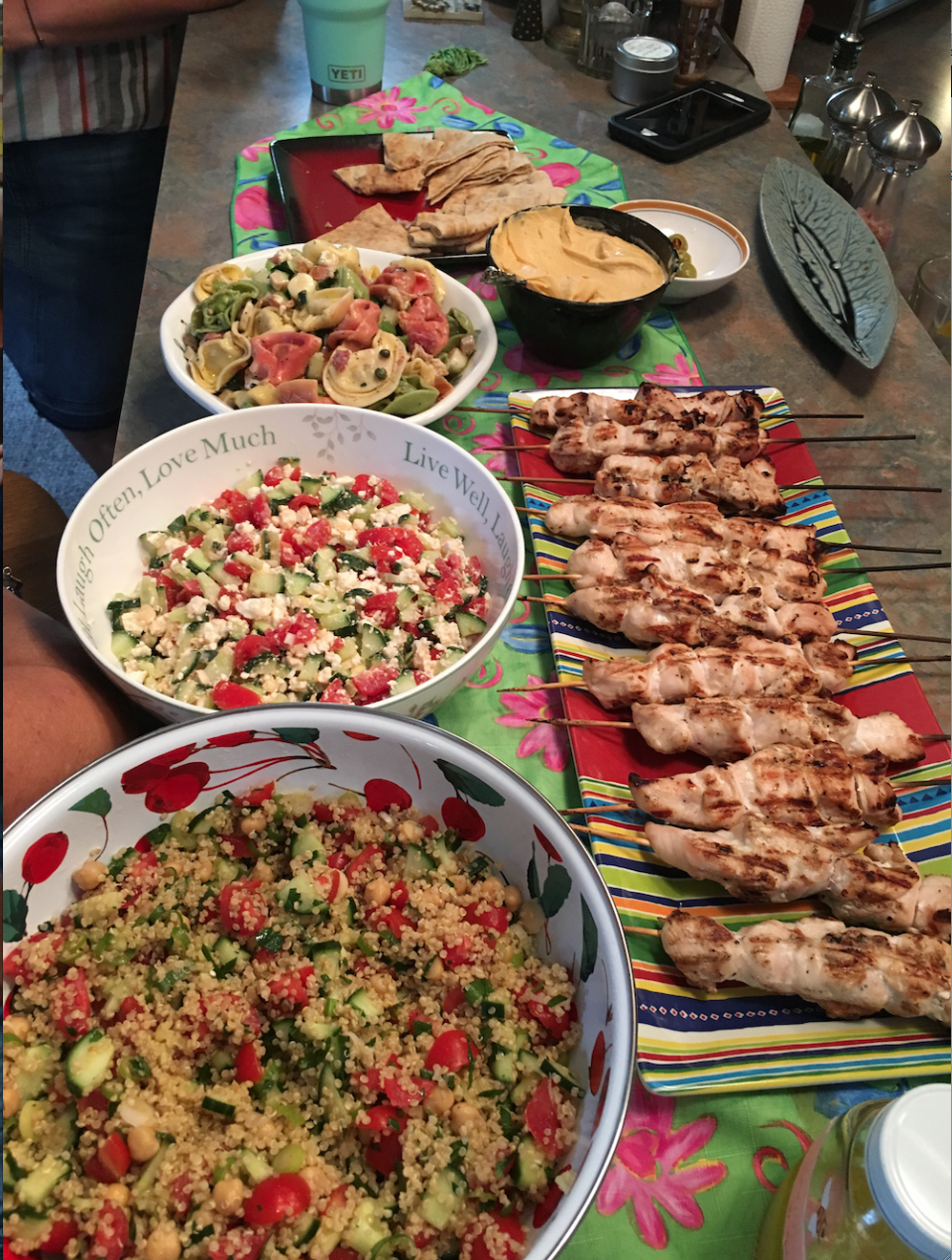
Last weekend I enjoyed a Mama Mia movie party with several friends. We had a delicious spread of various Mediterranean salads and chicken on the grill. I decided to recreate the cucumber feta tomato chick pea salad for a birthday party! Light, delicious, and easy to make – this is a guilt-free enjoyable salad that is stays fresh in the summer humidity. I find that I really enjoy salads that are based on more than just lettuce. – Chris

cucumber feta tomato chick pea salad

cucumber feta tomato chick peas salad recipeIngredients:

  • cucumbers
  • chick peas
  • grape tomatoes
  • onions
  • feta cheese

Directions:
Wash outside of cucumber. Slice cucumber down the length into dill pickle sized spears. Cut into bit size pieces.
Open and drain chick peas (also known as garbanzo beans.) Pat dry before combining with other ingredients.
Slice grape tomatoes into quarters.
Dice onion.
Crumble the feta cheese into pieces smaller than the tomatoes.
Combine the ingredients gently.

Dressing:
Combine oil and lemon juice, salt and pepper together.

Pour dressing over salad and turn the ingredients several times to coat.

Notes:
I only used half of the package of feta cheese.You can modify the quantity of ingredients to match what you have on hand and to match your taste buds.

Refrigerate. Tastes great same day or a couple days later. Easy to make a day ahead of an event.

Some people might like to add olives (pitted and sliced) and parsley or cilantro to add more color and flavor.

Seedless cucumbers might be nice in this if you don’t care for cucumber seeds.

You may want to swap out white onions for a red onion or a sweet onion instead.

I’ve made this before using Roma tomatoes and even snuck in some celery to bulk it up with more vegetables.

This is a good choice for a salad that needs to sit out on a table during a picnic or an afternoon party because it has no ingredients that will spoil in the heat. I always avoid salads with mayonnaise (like potatoe salad or some pasta or cole slaws) at picnics… unless I know that they have been properly refrigerated or kept cool in ice. Nothing worse than an upset stomach from food that was left out too long.


Vacation Fitness Advice

I’m going to give you some vacation fitness advice. You see, I’ve had a great summer. I just returned from a ten-day visit to Italy. I went to Venice, Florence, and Rome. It was ten days of eating, drinking, and walking. And then more walking. And even more walking. All three cities were fantastic. Lots of history, lots of churches, and lots of gelato shops.

Vacation Fitness Advice

Walking, walking, and more walking

Here’s my thinking on taking a vacation. I was so happy to be in shape. All my running and lifting and working out paid off. I walked a lot of steps, significantly more than normal for me but I did it without problem. I climbed up some steep hills and lots of stairs and did it without too much huffing and puffing.

If you listened to our first podcast episode, you may remember that we talked about having to lift a suitcase. Well, we rode the train from Venice to Florence and then from Florence to Rome. The train ride required us to lift our heavy suitcases over our heads and into the racks above. It was not the easiest thing because it was awkward, but I lifted that suitcase and got it up there. Not a problem. I got it down too without dropping it on anyone’s head. So, having some upper body strength was great.

Vacation Fitness Advice

I didn’t work out at all. I didn’t run, I didn’t do pushups, I didn’t do squats. Not to be repetitive but I walked. I figured it was a vacation and I wasn’t going to worry about it. I’m happy to say that I didn’t fall apart when I returned home. On my first full day home, I went for a run and was afraid that I’d be back to walking and running. Surprise! I ran my three miles without problem.

Today I went running and I’m happy to say that I’m back to my speed that I was running last September when I was ready to run the Akron half marathon. That’s a victory because I was very slow just a couple months ago. So, being gone for ten days didn’t slow me down.

Italian Food

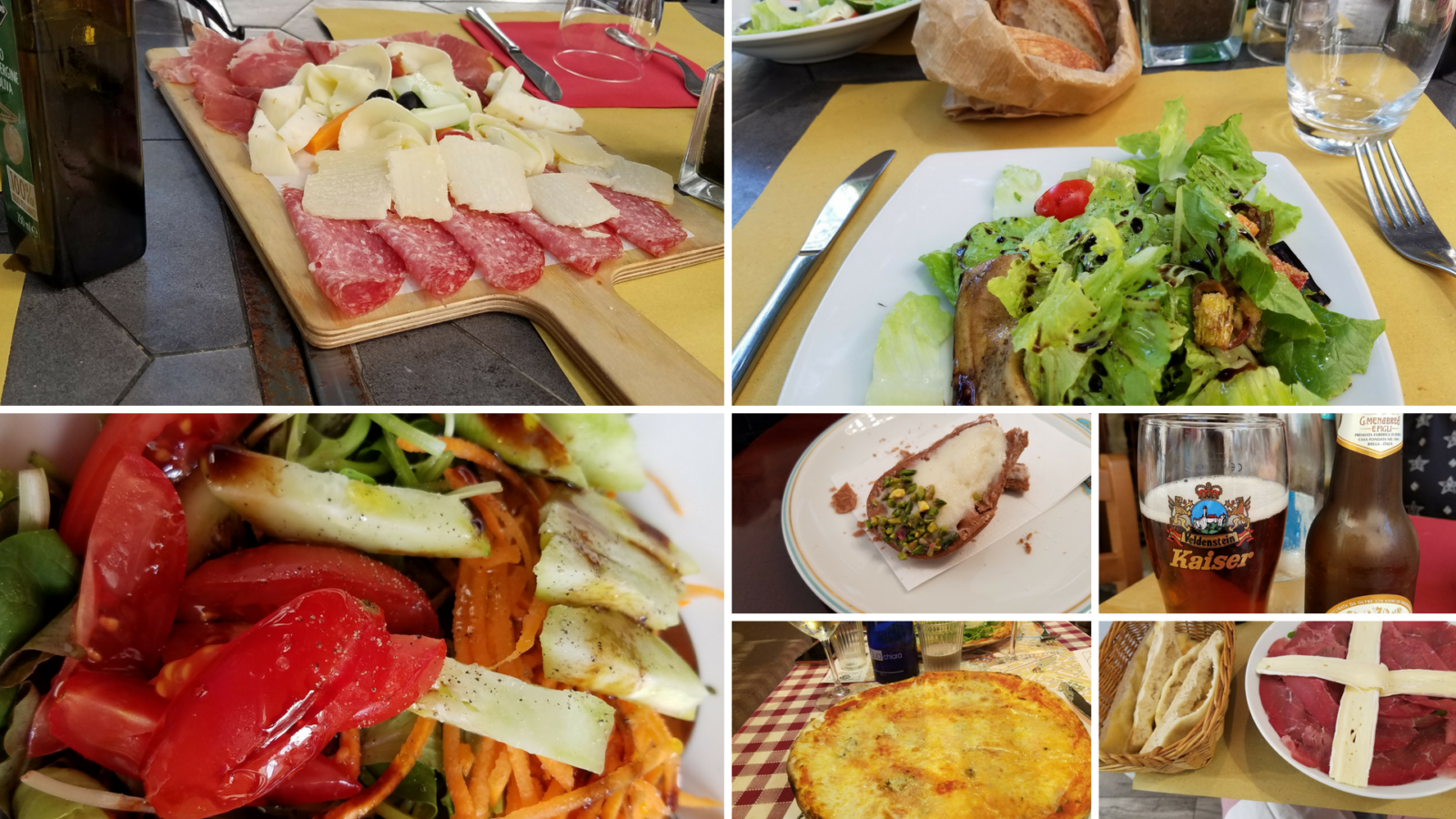
I also ate what I wanted. I resolved that I was not going to worry about dieting or my weight or skipping carbs or reducing fat or any of the things we do routinely. Instead, I ate croissants at breakfast and pasta at lunch or dinner, drank wine and beer, ate gelato, and enjoyed the food tremendously.

I did eat salads because I wanted them. The salads in Italy were beautiful. Everything was crisp and fresh and just lovely. The only dressing was olive oil and occasionally some balsamic vinegar. So enjoyable.

I didn’t think of this but I never snacked. We might stop and get a cappuccino but we really just ate our meals and that was it.

I did not have to buy new clothes when I got home. I think I look pretty much the same.

Vacation Fitness Advice

Now, I don’t get to travel like this very often and this was a vacation, not a business trip. I knew this was a limited time trip so deciding not to work out or run and to eat what I wanted only made the trip that much more enjoyable.

That’s my conclusion: don’t be afraid to enjoy yourself. All that work taking care of yourself pays off when you actually do something different.

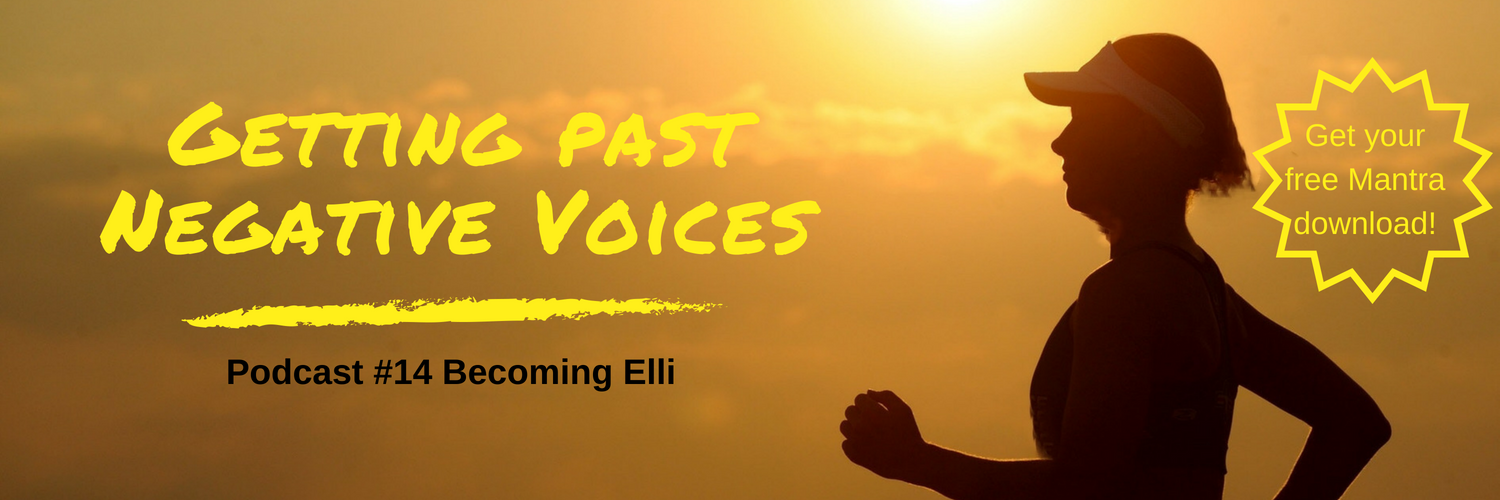
Getting Past Negative Voices Women Over 50 Podcast

Episode #14 of Becoming Elli – Fit, Strong Women Over 50

Podcast: Download | Play in New Window
Subscribe: Apple Podcasts  (iTunes) | Google Podcasts | Android-Google Play | Stitcher | Player FM | Castbox | Tunein | Spotify | RSS

Do you ever have a day when you are just not “feeling it?” When it is a struggle to stay positive, to stay on the healthy side of eating, or to stay on your workout schedule?

Ever had a day when the negative voices in your head comes up with lots of excuses and faulty reasoning?

Or a well-meaning comment from a friend or family member hits you wrong? In today’s podcast Jill and Chris talk through some situations where voices of doubt may creep in and impair your forward motion.

During this podcast, we discuss:

  • Innocent (or not so innocent) comments from strangers
  • Opinions and remarks by well intentioned family members
  • Why sometimes you are being your own worst enemy
  • How to counteract the negative voices
    How Jill became a runner.
  • What Chris did to start riding longer distances on her bike
  • What got Jill started with her first steps in weight lifting
  • Why working out with a calendar, other people and progressing with the workouts helps
  • How strength training helps the tendons, ligaments, muscles and even bones.

During the past few years we have discovered why a community of like-minded women and listening to experts helps us to combat the negative voices. Why competition helps to get over negative voices. How keeping track shuts down the negative voices and replaces it with a positive affirmation.

While we were discussing ways to get past the negative voices, we talked about Mantras. (Positive thoughts or phrases like “I’m worth it!”)

Mantras can be very important and a lot of people – runners and other athletes – use mantras to keep themselves focused and moving.

We created a sheet of Mantras for Fitness. If you’ve ever struggled with motivation, you may want to download a free copy of Becoming Elli’s Mantras for Fitness. We’ll ask you for your name and email so you can receive Becoming Elli updates.

If you have a special affirmation or mantra that you’d like to share with the Becoming Elli community, please leave a comment below or send an email Chris or Jill and let us know!

Gardening is Much Easier Physically For Me Now that I am Fit

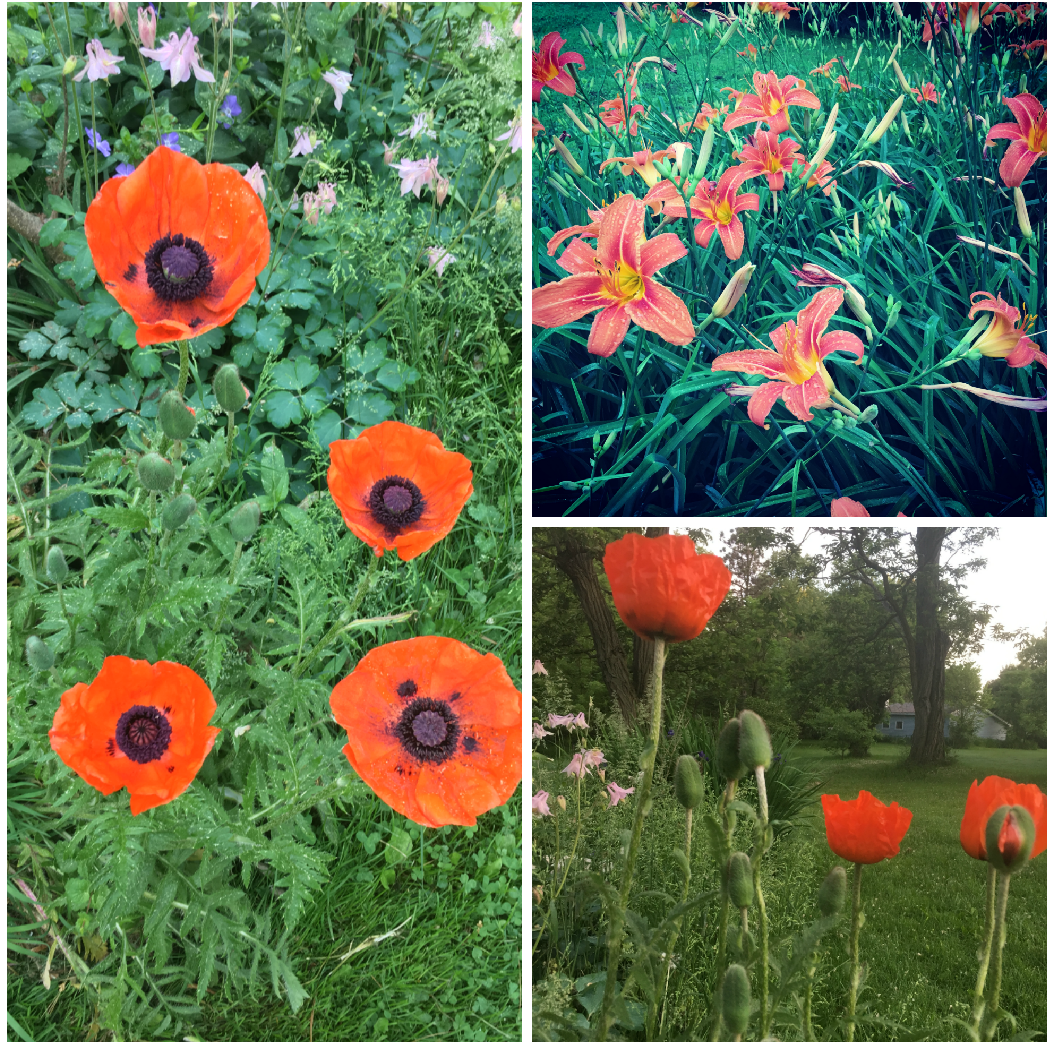
People who have known me for a long time, know that I love gardening.

Since I lost the weight and started exercising regularly, my gardening time is part of my “free time” that has been traded for exercise classes and bike rides. It is physically easier than it was 10 or 15 years ago. Gardening used to be my main form of exercise then and I would spend hours with my plants.

Gardening is much easier physically pink flowers

Hollyhock, Japanese Iris and Rhododendron

Perennials vs Annuals

Luckily, I planted perennials, which mean they come up year after year. They have beautiful flowers that bloom for just a week or two. The downside of perennials is that the beds need to be weeded. I prefer perennials over annuals. Annuals give color all season long, but they only last one season.

Peonies (with pine tree dust), Rose of Sharon tree and Yucca Plant

I am counting my fitness blessings and easier gardening is one that I am starting to take for granted. During my 40’s when I was gardening a lot more, it was hard to bend over, difficult to stay on my knees and much harder to get up again.  Weeding my perennial plants and bushes got a lot easier in my 50’s after I lost weight and got more fit!

Spice bush, PJM bush and Black Eyed Susans

Spice bush, PJM bush and Black Eyed Susans

Seven ways gardening is much easier physically now that I am fit:

  1. It is easier to bend
  2. My knees don’t hurt
  3. I can carry more weeds over to the compost pile at a time
  4. Moving mulch isn’t nearly as hard
  5. I don’t need as many breaks
  6. It’s a LOT, LOT easier to get up again
  7. My back doesn’t hurt after an hour of working in my gardens

My biggest gardening problem is that I am usually riding my bike or going for a run when I used to be tending to my gardens! Ha ha! Finding the time to weed and enjoy my gardens is more of a challenge. I love the colorful flowers and they make my heart sing!

Do you enjoy gardening? Has your fitness made a difference in your enjoyment? What hobby do you have that has been made easier since you became more fit?

Changing Gears Under Pressure

I”m going bike riding today! This is the third ride this week. Tuesday night was the potluck with a large group. Wednesday I rode with a friend of mine and we did hills. Today is a breakfast ride with four other people. We’re going to do the bike trails in a giant loop of around 22 miles.

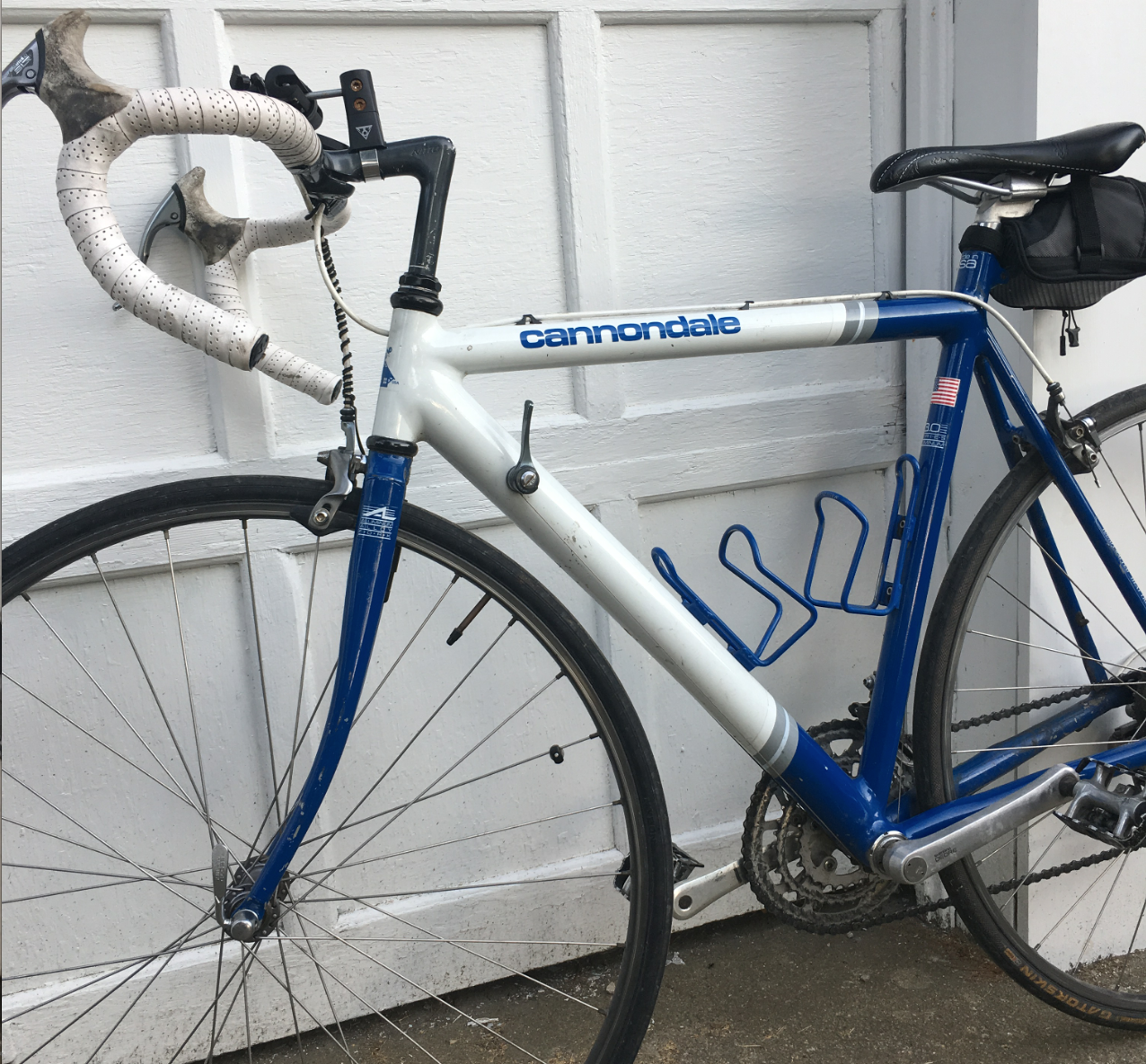
Wednesday when we were doing hills, I spent quite a bit some time changing gears. If you enjoy riding a street bicycle, you probably have a lot of gears on the back wheel and two or three main ones in the front as well.  Learning to shift gears is part of bike riding, especially with hills.

The idea is to keep your legs moving comfortably at a relatively steady rate and compensate for the hill by changing gears.  The big circle on the front chain rings is operated with your left hand.

Probably the biggest trick is timing when you change gears. I like to use the momentum from going down a hill to help me move up the next hill, so I don’t like to change too soon, or my legs will be pedaling like mad, but I won’t be going anywhere.  If I try to change to late, it’s way too tough to pedal and I may have to even stand up to keep moving up the hill.

That’s where it gets dicey.  You can’t put too much pressure on the gears and expect them to shift from one cog to another. The chain may fall off or you may not even move forward.

If the hill is really steep, I like to shift all the way to the little front gear called the “granny gear” because I helps me to ride up a really steep hill at 3 mph. Yep. Even super slow, if I’m in the little gear, I can make it up. I might be breathing really hard and fast, but I can get there.  I don’t use that gear all that often and it took me a while to figure out how to get into it, but I rely on it when I need it. I have to slightly pedal backwards to get it to move into that little gear in the front.

It’s like that in life too isn’t it!?! Sometimes a tiny step back lets you move forward. Switching gears and making changes at the right time is important.  Too soon and you feel like you’re not getting anywhere… even when you work and work and work.  Start the transition too late and there is too much pressure to be smooth.

Changing Gears Under Pressure

Lots of chain grease from all the times my chain has dropped. You can see that the granny gear doesn’t get near as much use as the other two.

Changing gears under pressure is difficult. Timing the gear changes takes practice. And it takes paying attention! Smaller hills are better to practice on than the big hills. And I find that momentum helps with changes as well.

“It is just like riding a bike!” is a phrase people use when they mean you’ll remember how to do it even if you haven’t done it for a while. While that is true about balancing, I don’t think that gear changing is automatic. At least it isn’t for me. I have to keep practicing my gear changes. In the spring, after a whole winter of not shifting gears, I especially have to practice to remember “left hand big gear changes, right hand little changes on the back wheel gears.”

Now that it is summer, shifting gears is much easier and is a little more automatic.

Even with practice, I still messed up at one point on the ride on Wednesday and my chain popped off. I laughed it off, pulled over to the side and moved the chain back onto the smallest front gear. But since I lost all momentum, I had to walk a bit to get to the crest of the hill.  It’s much like life. Too much pressure, wrong timing, and BAM, next thing I know, I have to walk up the hill.

Today I’m going to be mindful of the slope of the hill and try not be chatting too much so that I find myself in the wrong gear at the wrong time.  Yeah summer!

Update: Our planned 22 mile bike ride ended up being 41 miles with a walking adventure! Instead of what we usually call the “Kent loop”, it turned into an Akron/Cuyahoga Falls loop. We averaged about 10 miles an hour and took lots of rest breaks as the temperatures after noon were in the 80’s. I was glad I had two water bottles with me. I’m sure you can tell where we walked the bikes up the hill at the huge elevation rise that felt about straight up. Most of the 41 miles had a nice long elevation drop. It was fun to go on some trails that I had never been on before.  The screen shots below are from a bike riding app I use called Strava.

Steep hills means Changing Gears Under Pressure


Counting Calories or Eat Less and Move More

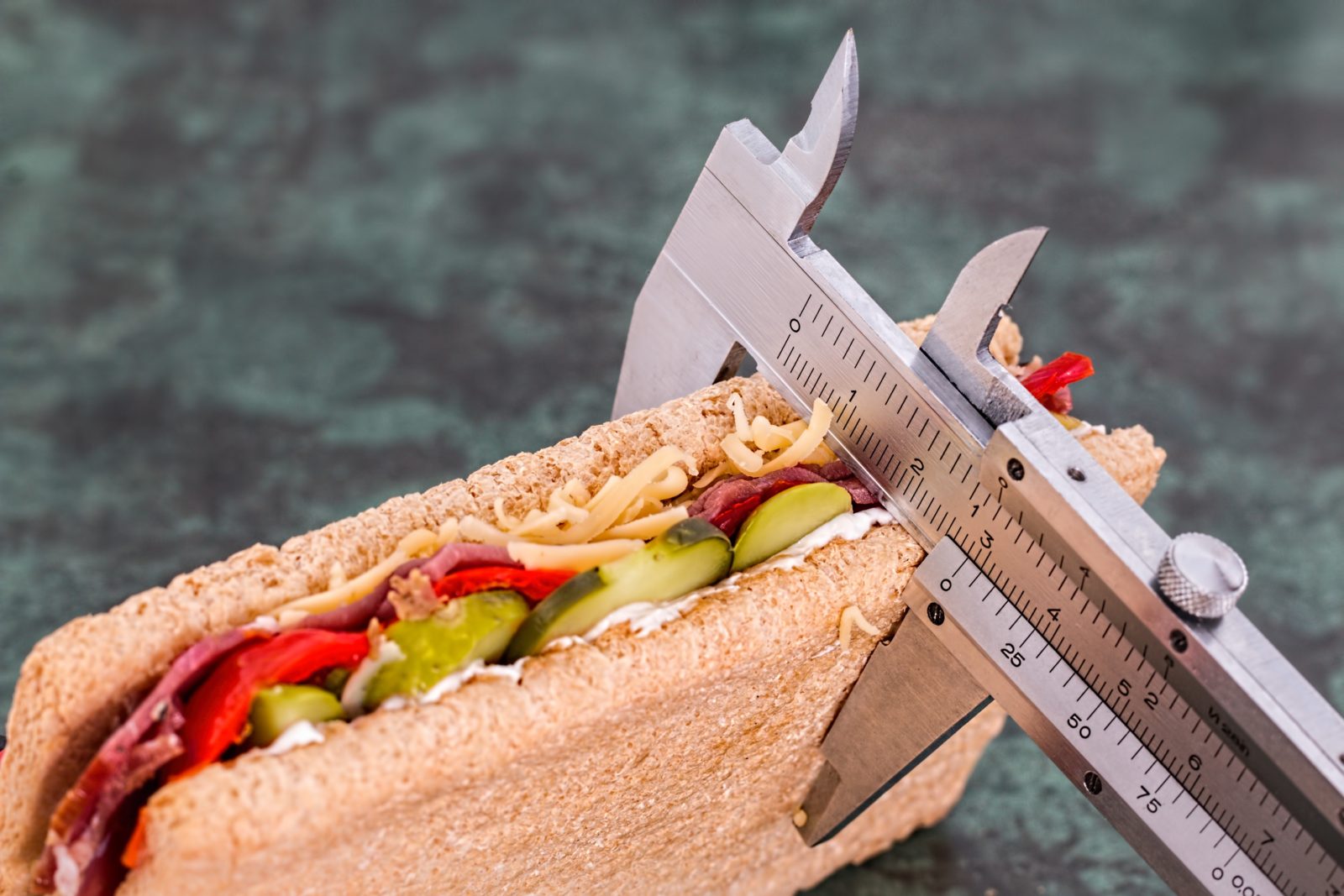
If you want to lose weight and you start to look around on the Internet for information on the best way to do so, you’re going to find countless different diets and methods of weight loss. There’s way more than I can discuss in a blog post, but I thought I could pick a few and write different posts about them. So today, let’s discuss counting calories. This is the type of dieting that most of us have been familiar with since we were teenagers: you count calories and eat fewer calories per day or week than you burn.

This is not a new idea by any means. We all learned about this kind of diet and probably have tried numerous times. If you’re very diligent about this and track everything, it may well work for you.

Weight Watchers falls into this category, though instead of counting calories, you count points and over the years Weight Watchers has tried to take types of foods into consideration.  You can add some exercise into the mix to try to burn more calories, which allows you to eat more calories each day.

Products like Slim Fast and Nutrisystem also fall into this calorie counting category. The advantage is that you don’t really have to log your food because they’re providing you low calorie food and doing the calculations for you.

The mantra you hear for this is “eat less and move more.”

Counting Calories

The thing about calorie counting is that it doesn’t tell you what to eat. In theory, you can eat junk food and if what you eat falls into your calorie plan, you’ll be OK. In practice, this won’t work for most of us because junk food doesn’t make us feel full for very long and we end up overeating. (Brenda O’Hara talked about this in her interview on the Becoming Elli Podcast.) So, really, the best way to consume fewer calories than you burn is to eat foods that sustain you over a longer period. Eating foods that don’t have a lot of calories and fill you up (think vegetables), you’ll hopefully begin to lose weight.

How you choose to eat is up to you. Calorie counting works for people who follow any number of eating plans, whether it’s vegetarian, vegan, Keto, or Paleo.

The way you follow a calorie counting plan is to determine how many calories you burn in a day. There are many TDEE (Total Daily Energy Expenditure) calculators online. You enter in your age, height, weight, gender, and a general indicator of how active you are. The calculator then tells you how many calories you can eat per day to maintain your weight and how many to eat to lose weight.  The FDA puts out called Body Weight Planner.

You then track calories. The best way to do that is to log what you eat and calculate calories. You can log your food online; there are many popular sites where you can log. Check out myfitnesspal.com, loseit.com, and sparkpeople.com for different options. Some features you probably will want is the ability to add recipes for tracking and to be able to scan barcodes for easy logging.

I’ve used a couple of different sites and have ended up sticking with Spark People, mainly because I’ve created enough recipes and groups there that it seems like more effort to leave than it’s worth.

Most of these sites will give you recommendations on what to eat and how much to eat to lose weight. I’ve noticed that myfitnesspal always tells me to eat around 1200 calories. I’m sure I’d lose weight at that, but I much prefer the 1500 calorie per day mark that other sites give me.

If you don’t want to log your food online, then to track calories, you’ll need to write them down. Maybe just use a tablet to write down each day’s meals and the corresponding calorie count.

You also need a way to determine how much food you’ve eaten so you can correctly count calories. You’ll probably need a food scale to do this. You can use measuring cups and spoons but determining weight is often the best way to calculate calories.

Counting Calories

My recommendation for a food scale is to look for one that has a tare feature; that’s where you can put a dish on the scale and then push a button to reset the scale to 0. That way you can add food to the dish and get a weight just for the food. Also, get a scale that converts weights to both ounces and grams. Sometimes it’s easier to count the calories if you have the grams and sometimes knowing pounds and ounces works better.

Pros and Cons

Pros: No food limitations except for quantity. You can eat any food group that you want. You can also do this with any diet plan you want to follow.

Cons: Logging food can take time and for this to work you have to know how much you’ve actually eaten. Guessing usually means you’re underestimating what you eat. You may be frequently hungry. This is hard for many to do on a continual basis so if you’re going to do this, try to find some way of eating that works for you for the long term.

Resources:

There are many resources out there for information and tracking your calories. These are just a few of the better known.

www.reddit.com/r/loseit/

www.weightwatchers.com

www.myfitnesspal.com

www.loseit.com

www.sparkpeople.com

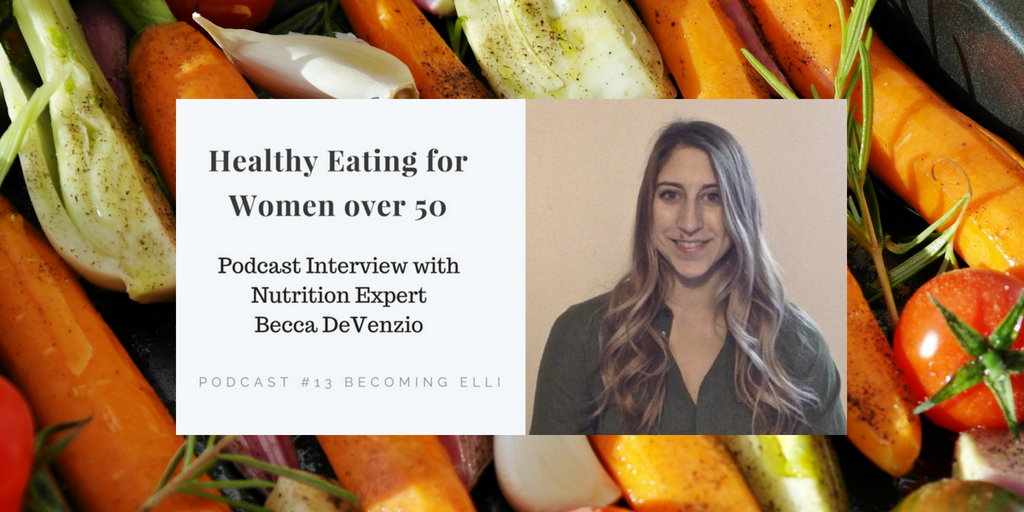
Healthy Eating for Women Over 50 with Nutrition Expert Becca DeVenzio

Healthy Eating for Women Over 50 – Podcast #13 on Becoming Elli

Podcast: Download | Play in New Window
Subscribe: Apple Podcasts  (iTunes) | Google Podcasts | Android-Google Play | Stitcher | Player FM | Castbox | Tunein | Spotify | RSS

What is Healthy Eating? In today’s Becoming Elli Podcast for fit strong women over 50 Jill and Chris talk with nutrition expert Becca DeVenzio.

Becca is extremely passionate about helping people to reach the goals they set for themselves and believes that living a healthy lifestyle can really change a person’s life.

Her love of fitness and nutrition started at a young age when she began dancing in elementary school. Throughout high school her interest for health continued to grow, so when she started college at Kent State University, Nutrition seemed like a perfect match.

Becca received a bachelors degree in Nutrition with a minor in Health Communication and has recently completed her Masters degree in Nutrition.

In today’s podcast, we discuss Healthy Eating for Women over 50:

  • How she defines a healthy diet
  • Well rounded diet of balanced food groups
  • How she defines mindful eating:  not watching TV,  watch what you’re eating,  paying attention how much you’re eating and listening to body cues
  • Why she is not a huge fan of the BMI calculator
  • What is the right mix of protein, fats and carbohydrate
  • Ingredients that people eat when they eat Mediterranean style
  • The common issue so many of her client’s have
  • How she deals with the size of a serving of cooked pasta
  • What about artificial sweeteners?
  • Foods that may help combat dementia and promote brain health
  • How words used on packaging can cause confusion about healthy options
  • Advertising claims that send up red flags
  • Why reduced fat or reduced sugar causes other concerns
  • What to look at when you read the label and what to look for
  • What to carry for fuel on a long bike ride
  • Thoughts on coconut oil, snacking and bacon

She can be reached directly at beccadevenzio@gmail.com or by emailing us at Jill@becomingelli.com or Chris@becomingelli.com and we will pass your questions on to her.

« Older posts Newer posts »

© 2026 Becoming Elli

Theme by Anders NorenUp ↑