Fit Strong Women Over 50.

Author: Chris Brown (Page 33 of 41)

3 Tips for Motivation using Little Rewards

Keeping focused on healthy eating, working out and being fit is very important to me. It’s both a long term and a short term goal. I know that staying focused and motivated will lead to bigger successes and reaching my goals.

Some days however, I’m just not feeling it, so I have some mental tricks I use. One of the tricks is something I call “Little Rewards” that use tools to finish something to get on to the next thing. It’s like playing a little game with myself.

Maybe everyone does this and it is nothing new or earth shaking. But if not, I thought I’d share what goes in my head when I’m trying to motivate myself. These Little Rewards flip some switch in my brain.

1) Baby Steps: I find it easier to tackle something I don’t want to do by breaking it down into steps. Then after each one of the steps, providing myself a little reward.

Rewards need to match the step. If it’s a big project with lots of steps I don’t particularly enjoy (let’s say doing taxes), I give myself a little reward for each little step. Gathering papers. Printing out reports. Finding a file. Gathering the forms. Making an appointment. I guess it all depends on the task you are doing.

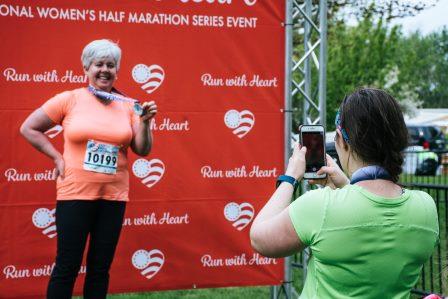
Here are some of the little rewards I might use are: have a cup of coffee after I complete the step, or put on lavender hand cream. or take a 20 minute walk and listen to a podcast, or call a friend to chat. Sometimes the reward is taking a selfie photo of myself after a run or bike ride. Sometimes listening to a favorite song does the trick.

2) Timer: I will set the timer at the kitchen stove or on my phone so that I can reward myself after I complete 20 minutes of something I have been putting off. It’s funny how much I can actually accomplish if take 20 minutes and just focus on that one thing. Procrastination often blows the project into a big thing in my mind, I find that if I set a timer and promise myself that I can stop when the timer goes off, I will get it done!

For the timer to work for me, I have to concentrate on the thing I don’t want to do. Maybe it is cutting up all the vegetables for food prep for the day. It’s not that I don’t like cutting vegetables… I do! But I also tend to procrastinate because I don’t need them right now. Then when I do need them, I’m in a rush and wish I had them ready. Setting a timer helps! Twenty minutes of vegetable chopping goes pretty quickly. I put them into containers in the bottom of the fridge and it’s amazing how much more often vegetables get added to something I’m cooking. Or I find I turn to them when I’m looking for a snack.

3) Gold Star: Although I don’t have the little stickers, I make a star on the pocket calendar that I use to track my various workouts. Two stars is an especially good workout. It’s funny that at my age, the stars still have a little power over me and acts as an incentive.

It must be a hold over from childhood and getting a star on a school paper, because now just a little hand drawn star, somehow feels like a great little reward. (I also remember getting pins with little gold star in Girl Scouts to represent each year of scouting – but I think those were considered awards, not rewards!

Either way, a gold sticker or a hand drawn star — it provides an Atta Girl and there is some switch in my brain that gives me the little oomph that I need to get something done.

Having the timer go off or coveting a little star may seem silly or pointless, but I’m still motivated by it. Looking back at old photos of biking or running activities is definitely motivational for me. Big rewards like a medal after a race are certainly motivating, but it’s the tiny things each day that helps me to make up a daily healthy and fit life.

What tools do you use to get yourself going? Please share below or send me an email at Chris@becomingelli.com. Or leave a voicemail at 330-970-6662.

Riced Cauliflower – Weekly Veggie Challenge

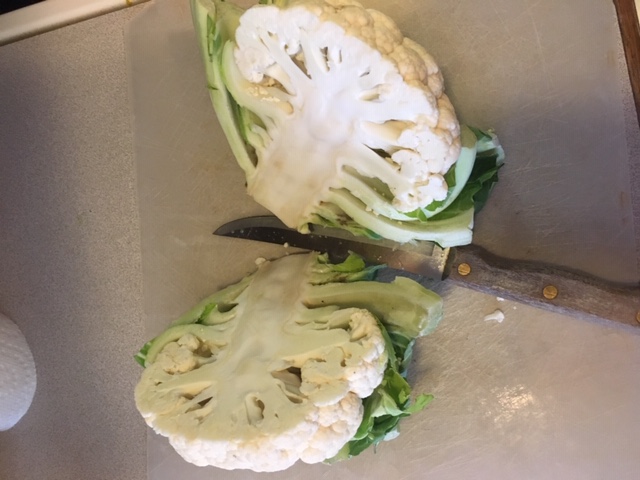
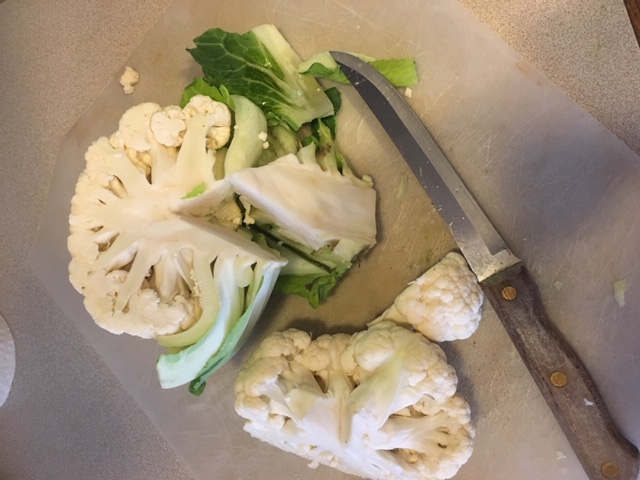
Riced cauliflower has the advantage of looking like a grain and taking on the flavors of spices and other ingredients. It’s a lovely way to “veggie up” a meal without realizing that you added a whole lot of fiber and nutrients without adding tons of calorie dense pasta or rice.

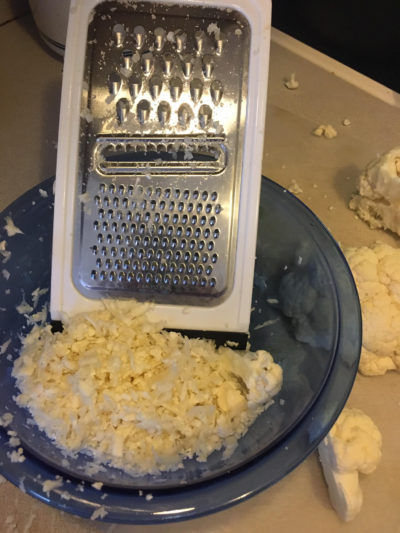
The downside of riced cauliflower is the mess. When I used my grater to rice the cauliflower, it was all over the place. I’m going to try again with a different, more careful plan and will post photos then. A head of cauliflower here in Ohio in the winter is around $2.50 or $3.00 depending on the size and the store.

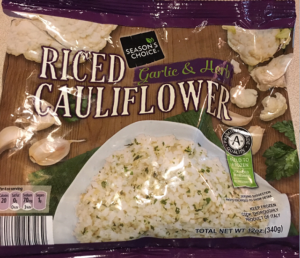
Easy Short Cut: Meanwhile, you can take the easy way out, by buying frozen riced cauliflower. Seasons Choice brand from Aldi, for around $2 for twelve ounces. This version had some garlic and parsley added to it, but they offer a plain version too. The parsley adds a nice color balance, because when served plain, it’s kinda drab.
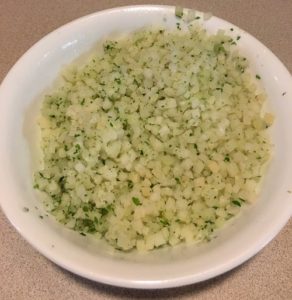
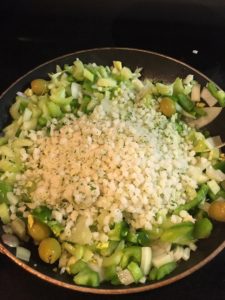
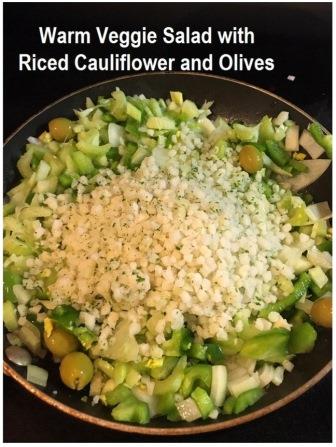
Here I added some riced cauliflower to a warm veggie salad. (chopped onions, peppers, celery with about 6 olives thrown in for flavor) and it tasted great! Next time I may add some tomatoes or other color for more visual appeal.
I will definitely add riced cauliflower to my on-going veggie list.

Building Endurance by Working Out in the Fat Burning Zone

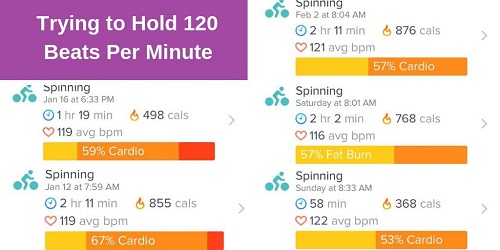
Since the beginning of the year, I’ve been experimenting with lower heart rate training than I usually do in my workouts. Some people call it the “Fat Burn Zone”, although I’m still not convinced that it is burning “my” fat. I do know, however that it is easy to keep going with exercise. I am not watching the clock. Exercising in this zone, I don’t feel tired or worn out in the least.

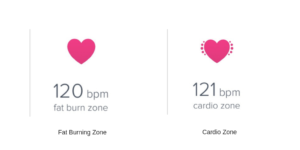
The idea is to work out at the level of exertion where your heart rate stays at the aerobic level called the fat burning level. If you exercise just a little harder, you begin to breathe harder, your heart pumps harder and you’ll enter the cardio level. Really push it and you’ll go into the peak level.

Cardio Vs Fat Burn

The vast majority of my running and group exercise workouts over the years have been at cardio/peak levels, which burn a greater percentage of carbs/sugar and less of a percentage of fat. These type of workouts also burn a ton of calories – both carbs/sugar and fat -there is no doubt about that.

While doing workout in the fat burning level feels like I’m not doing enough to be considered working out, I find that I can keep going a very long time and not get at all tired.

The idea of building a strong base by focusing on endurance and working out at the fat burning level is supposed to increase your ability to do more work while still keeping your heart rate at the lower level. Over time, the heart gets stronger and you can do more with your rate in the low level and your speed increases.

If you’re interested in learning more about this type of endurance training, you may want to listen to some of Dr. Phil Maffetone’s work. He has a lot of information about it – videos, podcasts and articles. Besides improving endurance and performance, it has other benefits. More time in the fat burning zone aids recovery from high impact exercise, helps reduce stress and provides protection from metabolic syndrome. I really like this method of exercising because I’m looking for increased endurance.

While doing my indoor cycling classes, I’ve been using my FitBit watch to monitor my heart rate. During most of the classes I find I easily enter into the cardio mode when the fast music comes on. I have to focus and slow down to stay in the fat burn mode. It’s hard to keep it steady, but I’m getting better.

The MAF (Maximum Aerobic Function) formula is 180 minus age. Because I’m 61, my goal heart rate number is to workout at around 120 beats per minute. (Dr. Maffetone has you add and subtract numbers based on exercise history and health as well.)

I have found that it is very hard to hold a steady heart number when you’re working out! Good music especially makes me want to go faster and harder, plus going harder is habit. It is what I’ve been doing for years!

Staying in The Fat Burning Zone

Here are some of the ways of thinking that have helped me to stay in the Fat Burn Zone:

  • Focus on my breathing
  • Try to keep two counts in and five counts out
  • When I have to open my mouth to breathe out, slow down
  • If the music speeds up, keep focus on the breathing
  • When walking up a hill, slow down
  • If indoor biking, take off some resistance
  • Last week I put my phone on the bike so I could monitor the phone instead of my watch and I was able to hold it more steady.

It is not about “no pain, no gain.” On the other hand, it’s not too often that I find my heart rate has dipped too low and I have to speed up, but sometimes that happens when I daydream.

Although it’s only been six weeks, I’ve also found that I am enjoying doing more exercise than I used to at a time. In fact, I am liking two hours rather than 45 minutes or an hour. I feel stronger and am noticing that I can go harder with less effort. I’m interested to see when I get back to biking outside if this experiment has made a difference.

Have you experimented with heart rate training? What has been your experience? Which heart rate monitor do you use? Do you feel like this is all just too analytical for getting exercise? Let me know your thoughts.

How to Crave Healthy Foods & Stop Dieting – Melanie Jatsek

Fit Strong Women Over 50 Podcast Episode #27

Download | Play in New Window
Please SubscribeApple Podcasts  (iTunes) Google Podcasts | Android-Google Play | Stitcher | Player FM Castbox | Tunein | Spotify | RSS

In Podcast # 27, Jill McCauslin and Chris Brown interview Melanie Jatsek, a registered dietitian nutritionist who broke free from the dieting trap.

Melanie holds a Bachelor’s of Science in Dietetics from the University of Akron and is the author of three books, including Missing Peace – Eleven Secrets to Restore Inner Harmony with Your Food, Body, and Health. She also created the Healthy YOU program. Melanie is passionate about helping people transform their relationship with food.

During this podcast we discuss:

  • How she was able to break free from dieting after years to stop struggling with food.
  • Why many women struggle with diets and their relationship to food
  • Dealing with emotional eating and how she overcame three years of struggling with a binge eating disorder
  • How the food pyramid guidelines (with grains on the bottom and fat on the top) did a disservice to women over 50 with misinformation. “We know better now.”
  • Why counting calories is not the way to go
  • Why she switched from her 20 year vegetarian-based diet to more of a Mediterranean-based diet

Melanie reveals some secrets for helping your body to crave healthy foods like:

• “Your body gets full off of nutrients, not calories.”
• “The body craves what you’re feeding it the most.”
• “The bacteria in your gut is what is craving food.” Bad bacteria crave sweets and highly processed foods. Good bacteria crave whole foods.
• “Low Fat and Fat Free – when we restrict fat we are always hungry.”
• “Good dietary fat actually helps you to burn fat.”

During this podcast you will learn why she roasts her veggies with avocado oil instead of olive oil, how she trained her body to crave raw vegetables, and how she avoids hidden sugars in food like peanut butter and chocolate.

She helps people develop a healthy relationship with food and talks about:

• The balance of good-for-you foods with a sprinkle of fun foods (ie. chocolate.)
• The outdated guidelines of 12 servings of grains and pasta a day.
• The effect of heavy servings of carbohydrates makes on your body (easier to produce insulin, gain weight and store fat.)

Melanie feels that no food is forbidden and believes that you will crave what you feed your body.

To connect with Melanie, visit her website: www.melaniejatsek.com or her Facebook Page: Healthy You.

Jicama for Lunch – Veggie Challenge

How to Peel and Prepare a Jicama
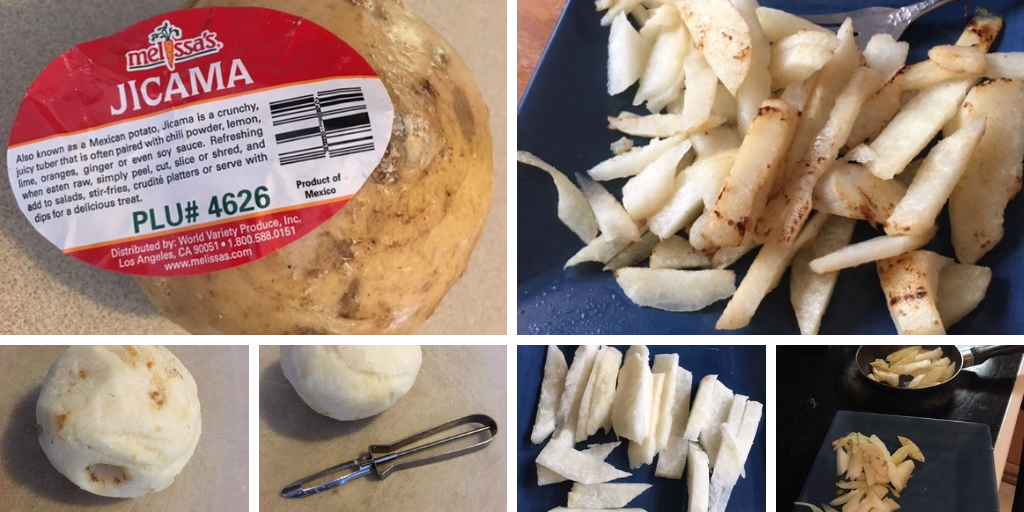
Jicama is pronounced “Hick – ah – mah” and has the texture of a sweet (not spicy) radish or a potato. Raw, it tastes almost like an apple. Its crunchy texture makes it perfect for slicing into strips to dip into hummus or guacamole.

Most recipes for jicama call for you to “julienne” slice it, which is cutting it into tiny slivers like matchsticks. You cut it half, then half again, slicing it into 2″ long and thin (about 1/4 to 1/8th”) strips.

The skin had to be taken off with a vegetable peeler, which was a bit awkward for me. It’s a tough skin but not too difficult to remove. Underneath it looks like a potato, but it has about half of the calories and also fewer carbohydrates. One cup of jicama has 49 calories and 11 grams of carbohydrates. One cup of potato has 116 calories and 26 grams of carbohydrate. I would dub the jicama a healthy vegetable.

I ate some of the jicama raw — like you would munch on slices of carrots or celery. I liked it a lot, especially the texture and slight sweet flavor. Most of the recipes I saw online talked about substituting jicama for potato to make fries. Then I prepared the rest of it by sauteing the jicama on medium heat on the stove in a little olive oil and lightly salted it. Delicious! I would give this one 5 stars. Low in calories. High in Flavor.

Before serving to guests, I need to perfect my julienne knife skills. My julienne slices are more like finger widths, not matchsticks. I should have sliced all of these again to get the slim stick-like size.

how to peel and prepare jicama

This one was grown in Mexico. It is in season during the fall, winter and spring. I bought it at Giant Eagle (which is a Pittsburgh-based large chain grocery store.) It’s a root vegetable, so no wonder I find it similar to a radish or a potato texture.

Next time I cut it, I’m going to cube it and mix with red, yellow, green peppers, along with carrots and celery to make a salad. A little lime juice and cayenne pepper sound like the perfect dressing!

Five Strength Building Body Weight Exercises for Women Over 50

I have been trying to focus on building a strength exercises in my workout routine.

We know that as we get older, the body naturally loses muscle tone, so my strength routine is an attempt to keep my muscles toned and functioning correctly. For whatever reason, I find it much easier to go to walking, running and cycling which are more cardio based.

I like strength exercises that use weights, but sometimes just using body weight is enough of a challenge. Because I am looking for more endurance and resiliency, I tend to really love strength work outs.

Keep Good Form with Bodyweight Exercise
As with all exercises, form is critical to making it work your body and not to injure yourself. When learning these, it’s good to use a mirror to check and make sure form is good. (Always check with your doctor if you are new to exercise or aren’t sure these are good for your body’s situation, like if you’ve had a previous injury.)

Sometimes I like to do variations to mix it up. It helps me from feeling bored. But other times I prefer to time myself to hold the position for a longer time before moving on to the next exercise. If some of these seem too easy to you, try a different one. If you find you can only do them for just a few seconds, over time, as your strength builds up, you will find you can hold the position for a longer time.

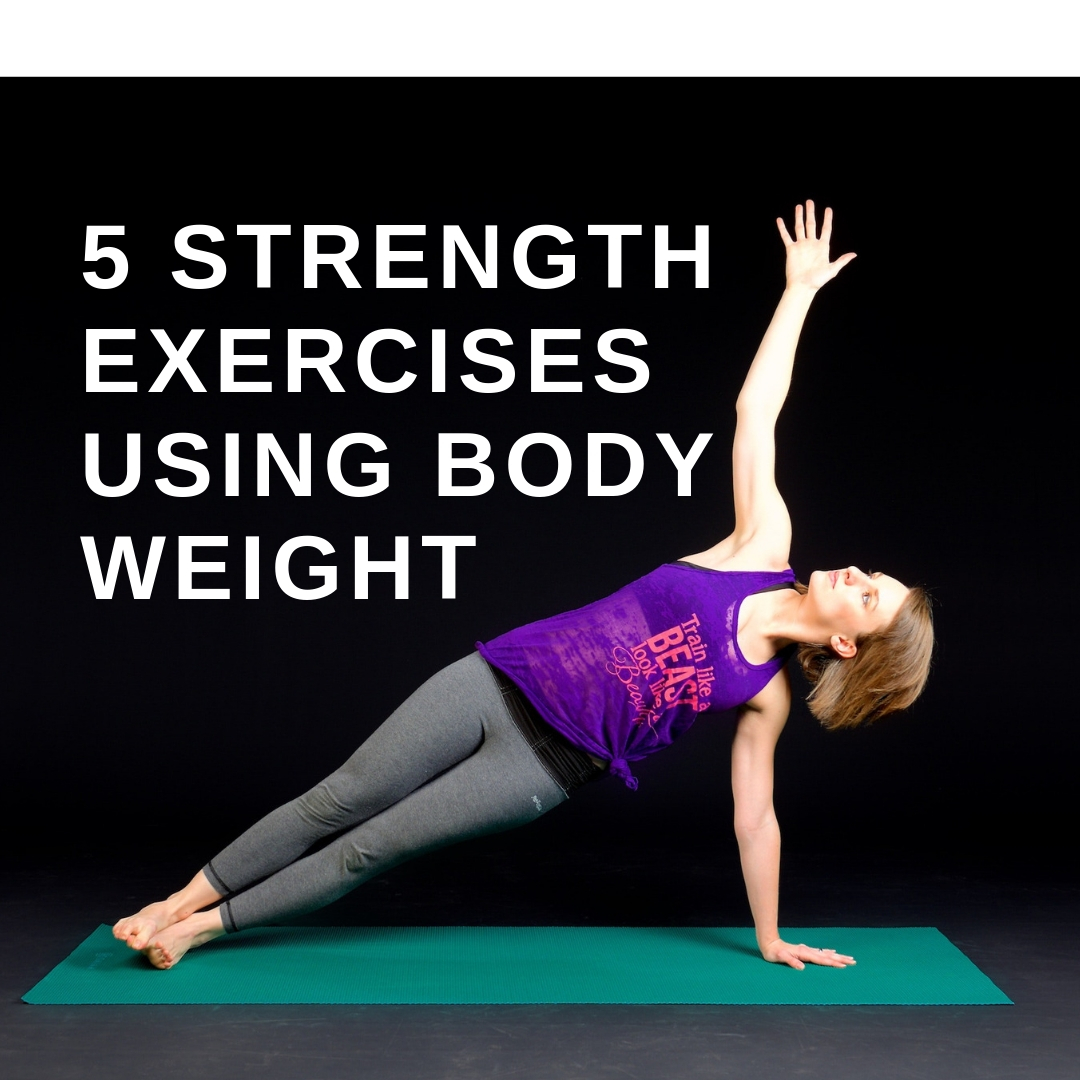
Here are five exercises that seem simple because they are holding your body weight. Each one has modifications to make it less or more challenging.

  1. Bridge – One Leg Bridge – Marching Bridge
  2. Plank – Elbow Plank – Straight Arm Plank – Up Down Plank – Side Plank – Toe Touch Side Plank
  3. Cat/Cow – Bird Dog on Knees – Bird Dog on Toes – Bird Dog with Elbow Crunch
  4. Wall Sit – One Leg Wall Sit
  5. Calf Raise – Single Leg Calf Raise – Calf Raise and Hold – Single Leg Calf Raise and Hold

Most of these body weight strength exercises listed above are isometric, meaning you hold your body in a position.

Advantages of Isometric Strength Exercises
Isometric strength exercise helps build stamina. Another advantage is that these types of exercises are easier if you have arthritis or ligament injury. And you don’t need any equipment. You can do them almost anywhere when you have a few minutes.

Although these exercises won’t help you build speed, they really do help with strength and endurance. It is so important to add strength to an exercise routine for women over 50 to keep fit and active.

Do you have a routine of body weight exercises that you do regularly? Which one are your favorites? Which exercises would you rather skip? Let us know by leaving a comment below.

Three Ways to Get Motivation in Winter

The first weekend in February in Ohio is about halfway through the winter. This is the time of year have to I look for ways to find more motivation to stay with my intentions of being fit, strong and healthy throughout the winter.

I guess I blame the weather.

Winter in Northeast Ohio usually means grey, overcast skies that blend into white and grey half melted snow. Most of the winter, my instincts are to get cozy on the couch with a good book/movie, a warm blanket and eat something with high calories, lots of rich food. When I fight that “instinct” and get out in the fresh air, get some exercise and engage some endorphins, I always feel tons better.

If there are warm air and sunny, blue skies, I just feel like getting up and moving. Motivation is not a problem, but I know I can’t wait for blue skies to take care of myself! For most of the winter, I look for ways to psych myself out and get myself motivated.

Here are three ways I am motivating myself this winter to exercise and eat healthy:

1) Exercise Buddy – If I try to go it alone, it’s easy to skip a workout. Finding a partner to work out with gives me accountability. Even if my friend isn’t working out with me, we send emails and texts back and forth for work out motivation. Having a friend in person, either at the gym or going for a walk really helps. Setting an appointment with a personal trainer definitely helps. My gym has a buddy program that started a couple of weeks ago and I am getting to know someone new at my gym while making a point to show up. The last few weeks have really upped my exercise totals for the week and I attribute this to having a buddy.

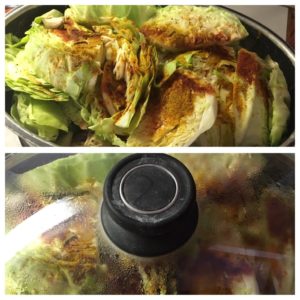
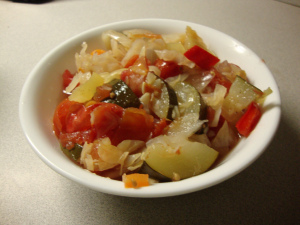
2) Food Challenge – I’m finding ways to eat more food that is nutrient dense (not calorie dense.) Luckily, I’m in the early stages of a weekly vegetable challenges. Maybe you are too? If not, it’s not to late to join in the fun! The Becoming Elli community veggie challenge is to find one new vegetable a week — or at least prepare a vegetable in a new way — and it challenges me to look more closely at the produce. I had several eggplants in my hands this past week, but didn’t buy one. Here is my “new” way of cooking cabbage with turmeric and thyme.

Turmeric, Thyme, Salt and Pepper. Cabbage cut into slices. Underneath: Mushrooms slices. baby Carrots, coarse chopped Celery, sliced Green Peppers. Cup of water. Pork roast – outside seared before going into the crockpot.

I forgot to take a photo of the final product. Basically it was a mushy stew kind of meal and not especially photogenic, if you know what I mean.

3) Helping others – My personality type is more motivated to help someone else, than to help myself by exercising. I don’t know why. Getting involved in the MS bike ride each summer has really helped to get and keep me in shape. Now I have found another way to contribute called “Charity Miles” which is an app you can download. It tracks your mileage for walking, running or biking (you need your phone with you when you do the activity.) Various corporate donors have pledged to contribute money to the charity of my choice (in this case the MS Society) based on the number of miles I complete. charity miles helps me get motivation in winterI’m not exactly sure how much they donate for each mile because Charity Miles divides the money between all the charities at the end of every term. I think the corporations are counting on people sharing the images via social media. But my motivation is to help others and I find that doing this helps me to do more miles than I would have otherwise. So its a win/win/win.
How do you motivate yourself? Do you have ways that you struggle with winter workouts? What tricks to you use when you don’t feel like eating right?

Embracing Vegetables with a Delicious Vegetable Soup

Vegetables are primarily carbohydrates (not a lot of fat or protein), but the fiber, flavor and undeniable vitamins in vegetables make them a “go-to” food choice for most people wanting a healthy diet.

In 2019, we kicked off the Vegetable Challenge at the Becoming Elli Community with Jill’s blog post and also talked about it in this week’s podcast. We realize that trying one new vegetable a week – 52 new vegetables in 2019 – may be difficult for those who have been working on increasing vegetables intake for years, so we modified it a bit.

Jill has found some vegetables that she has never tried before with purple Brussel sprouts. That is saying something, because she’s adventuresome when it comes to trying new things!

I’m planning on trying to cook my vegetables in a new way. So far I’ve been falling back to my favorite ways of eating vegetables – chopping them up into a salad with olive oil, cider vinegar and lemon juice… or tossing them in olive oil and roasting in the oven. These two ways are very ingrained in meal prep for me now.

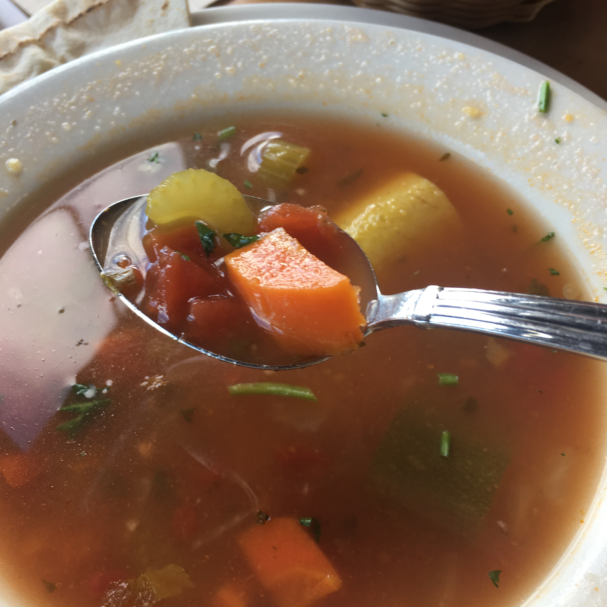
I was thinking about my vegetables when when I had the V9 soup for lunch at my favorite Mediterranean restaurant. It has nine vegetables in it. Although the menu suggests adding feta, I just stayed with the soup.

Each time I try to recreate it at home, I usually end up using different vegetables.

While I was I was counting points (or points plus) with the WW program during my 2007-2012 Weight Watchers phase, I would make something I called Zero Point Soup. It was filled with vegetables and I’d enjoy a large bowl of it before dinner.

It has a tomato broth and is chock full of vegetables with parsley on top.

Here’s a similar version of the V9 soup recipe from the Wine and Anarchy< website. They also love this soup.

Here is my version of this Delicious Vegetable Soup

  • 4 tablespoons olive oil
  • 2 cups chopped onions
  • 2 cups celery, peeled and chopped (approximately 2 medium)
    — saute and then add to a large soup pot
  • 2 quarts water
  • 2 cups cabbage (green or red)
  • 1/2 cup broccoli (I feel it takes over the soup if there is too much broccoli)
  • 2 cups carrots, peeled and chopped into rounds (approximately 2 medium)
  • 2 cups zucchini, chopped (approximately 2 medium)
  • 2 cups summer squash (approximately 2 medium)
  • 1 cup peeled and diced sweet potatoes
  • 2 cups chopped fresh green beans
  • 2 large cans diced tomatoes
  • 1 cup frozen corn or one can corn

Optional – serve with chopped fresh parsley leaves

My version is very heavy on the vegetables and looks more like a stew! Sometimes I when I make this I will add quinoa to put some protein into the soup without adding meat.
With the incredibly low temperatures expected next week, I think this weekend is a great time to make a big pot of soup! I just hope that next August/September I think about making a lot of this soup and canning it. It would be great to buy vegetables when they are in season!!

If this post inspires you to make some vegetable soup, consider posting a photo with your recipe on our Facebook page: https://www.facebook.com/BecomingElli/

Avoiding Foot Problems: Shoes, Sneakers and Boots

Who knew that the shoes you wore as a teen or in your early adult life would have such a long lasting effect in the last half of your life? I sure didn’t.

Maybe your feet have not reacted to your choice of footwear as much as mine have over the years, but if your toes tend to curl inward, then you may know what I’m talking about.

Years gone by I wore shoes that I wouldn’t consider now:

  • Flip flops on a summer day
  • Espadrilles to work in my flower gardens
  • Three inch heels on pumps every day for work
  • Cute boots (never mind the treads) for winter
  • As a teen in the 70’s, I would balance on top of crazy high wedges hiding underneath my bell bottom blue jeans.
  • In college earth shoes with a negative heel

I remember the day I was standing at the copy machine, feeling shooting pain in my calves and it occurred to me, why am I doing this to my body? I was 38 years old. It took almost 20 years of working in an office wearing heels that forced my toes into a point and strained my calves before I started valuing “sensible” shoes over “looking-good” shoes.

As a child I memorized a poem about shoes called “Choosing Shoes.” Judith Baxter wrote about the shoe poem on her blog “Growing Younger Each Day.”

I fear I have crossed over into the “THEY” that is talked about in the poem. Now when I select a shoe, my criteria is all about fit, function and support. Dress shoes are never higher than a two inch pump. My sneakers are all running shoes with insoles. I want them to have a similar heel height for running. And I make sure that my boots have arch support and a good non-slip tread.

Foot Problems
I hope you don’t share my foot problems.

  • Toes – My big toes curl toward the center and my baby toes curl under. This is from too many years in those tight, pretty office shoes with a heel.
  • Ankles – An old ligament injury from falling while giving my sister a piggy back ride has affected the resilency of my right ankle in my long term.
  • Achilles – Walking all weekend in flat mud boots back in April 2006 started Achilles tendonitis problems in both legs. It was 24 visits to physical therapy to repair that weekend injury. I still have issues with the right one, particularly if I over do the running without enough recovery time or build up time. Now I do a variety of exercises and recovery routines to keep strong and limber in those tendons.
  • Arch – I have high arches, but rolling a golf ball, medium lightly, under my arch, helps to keep the fascia pliable and helps to stop planter fascitis.
  • Corns – I used to have corns. The corns would form on my little toe where it rubbed all day on those office pumps with the high heels. When I wore heels, my foot was forced down so my little toes had no where to go but to curl under my other toes into weird positions. Now, after not wearing high heels for twenty-plus years, I don’t have any corns.
  • Bunions – Luckily I quit wearing those shoes before a full bunion formed on my right foot. There is a bit of a bone bump, but not too bad. My Mother-in-Law had painful bunion surgery. She had a very high threshold for pain and told me “If I knew how bad this would hurt, I would have done something differently.” I decided that was one problem I was going to avoid making worse on my foot, if possible. No more pointy toe shoes for me!

Tips for Avoiding Foot Problems:
I am definitely focused on sensible shoes now. My work shoes are either Clarks or Aravon. My running shoes are  Asics, Brooks or Saucony (with a similar drop.)

“Drop” is a term that describes the thickness of the heel to the forefoot.  High heel shoes have a huge drop. I have become more acquainted with this word as it relates to the foam and gel in my running shoes. They say you shouldn’t change the drop abruptly. Drop refers to the heel height of the shoe. My freshman year of college I had a pair of “earth shoes” that gave me crazy pain when I decided to wear them all over campus. This was as a result of abruptly and exclusively switching the drop to a negative heel.

Zero drop means the heel and toe are the same distance from the ground. This is known as minimalist and mimics going barefoot.

I found out that easing into a new drop is important. Switching different shoes around helps your feet muscles to be more adjustable to different heights. For instance, I know when I wear dress shoes that I haven’t worn for a while – let’s say to a wedding where I do a lot of dancing – I sure can tell later in the night and next day. My feet tend to cramp up and I can feel the plantar fascia start to act up.

The amount of cushion you have on your shoe is a personal thing. Some people are very adamant about the right amount. I just know that switching the drop abruptly can cause foot problems for me!

In the last few years as I have started to run longer distances, I notice that it has become even more important that the shoes I select really have to fit well. I may try on 10 to 15 pairs of shoes before selecting the next running pair. Sometimes I go to four different running stores – not just to check prices – I want to hear the opinions of the different people who fit the shoes. I check out the online reviews of the different models, the brands and compare how they fit my feet.

Too tight around the toe area – the box – and my “dogs will be barking.” I don’t believe I have wide feet, but after running a few miles, my feet swell slightly. I try to remember that so I don’t tie the laces too tight at the beginning of a long run.

I’ve learned to do different lacing styles to hold my narrow heel into the back of the shoe. I use the last hole which helps to move my foot back in the shoe just slightly. I don’t want my heel to raise out of the back when I run forward. It would result at best in a callus and at worst a big blister.

Recently at the electronics show in Las Vegas, a shoe company launched a new self-lacing shoe that allows you to use your phone to adjust the fit to your foot. They cost around $300 and seem ridiculous! Maybe if I was a professional athlete, I wouldn’t think the price was so crazy or that changing the tightness of your shoe from your phone would be so silly.

I think back to the first time I ever did a run. I was in my red Keds. I went out for the track team when there was a new law (Title 9) and our school was forming a girls’ track team for the first time. I ran 5 miles the first day and ended up with shin splints. So much for my school athletics!

When I think of those shoes, I never would have dreamed that I would consider shoes that cost $120 a necessity. I like to comb eBay and various specialty running stores for a special on last year’s model that I know fits my feet like a glove (or maybe I should say like a sock?)

Special Functions
Just like when you are creating something, having the right tool for the job makes all the difference.

Finding the right shoe for exercise or just for walking can be a challenge as I have found out over the past few years. I often like to use my running shoes for walking and even some cross training. I know many runners that use their running shoes for running only.

When my current running shoes start getting older (around 300 miles on them), they get moved in the hierarchy of my closet.

Best pair – running. Second best – walking. Third best – gardening, yard work and mud.

My third best often get new insoles. I can end up doing a lot of steps in the yard without realizing it and having older shoes where the cushion is starting to get worn can create a bigger problem.

Many shoe models get revised slightly each year, so what fit perfectly last year, may not be what you want this year. Different drops, shoe boxes and even where the stitching runs over the top of the foot makes a difference.

Bike Shoes
I have found my favorite bike shoes and they are actually sandals. They have cleats on the bottom that clip into the bike pedals. The reason I like them so much is that they have three points of velcro adjustments. So fit is great. Also, because they have lots of room to breathe, my feet don’t get too hot when I’m riding in the summer.

The only weird part is that the bumps on the base, that are designed to massage the base of your foot I think, are too intense for my feet. I always wear socks. I know that this is a fashion faux pas, but like I mentioned, I’m more interested in fit, function and support than how they look.

This is my second pair of sandals. I wore the first pair until they were ready to fall apart! Most of the wear was on the right foot because that is the foot I tend to put down first.

How about Your Experiences with Shoes?
What shoes do you use for exercise? Have you changed the shoes you wear at work or play for comfort? Do you have any foot problems that you take into consideration? What about boots for hiking or in the snow? Let me know your thoughts. You can leave a message below or contact me by leaving a voicemail 330-970-6662 or sending an email to chris@becomingelli.com.

Disclaimer: I am not a doctor or a physical therapist or even an expert on shoes. I am just sharing my experiences with treating and avoiding foot problems. Consult your doctor or a podiatrist or a physical therapist if you have foot issues.

Developing Core Strength

Winter is strength building time and to me, that means working on core strength. This is particularly important to women over 50 who want to improve balance, reduce injuries and build a base.

I became more familiar with this concept a few years ago when I had an angry piriformis muscle. Until that happened I had never heard of that little muscle that runs overtop of the sciatic nerve in the glutes. The piriformis muscle helps to make your foot rotate out to the side.

If you overwork that little piriformis muscle by having it do the work that your three glutes should be doing, it may become inflamed. Weak hips or weak glutes mucles were responsible for my problem. These muscles are the gluteus maximus, gluteus medius and gluteus minimus — more commonly known as the butt muscles.

Piriformis pain is more commonly known as a pain in the a$$.

It happened a few years back I was working on a big project for a client and put way too many hours in front of the computer (without getting up each hour to stretch, walk around and reactivate my glutes.) I also got a bad cold/flu and was on the couch for several days in a row which nailed it.

I was also working out, but too much intensity and not enough consistency, which is a recipe for injury. Because the piriformis lies right on the sciatica nerve, the pain radiated all the way down to my ankle and it hurt to sit, walk, even reach into the cupboard for a coffee cup. Nasty!

As with many injuries, the first step fpr recovery was RICE. (Rest. Ice. Compression. Elevate.) I had to take time off from working out to let the irritated muscle heal before even starting to exercise again. I worked with a massage therapist, a personal trainer, and a chiropractor to get my glutes back into working order again. (Disclaimer: *If you have pain, consult a professional! I am sharing my story but am not a physical therapist or doctor. Pain indicates a problem!)

They told me, I had to train my glutes to “fire” instead of the piriformis.

Anyway, after my pain died down, I began each morning with a cup of coffee and pulling out my foam roller. I roll my glutes on my foam roller, loosing up the fascia so that it helps the right muscles fire when needed. I learned about how important it is to have a strong core when you are a woman over 50.

I used to think of strengthening my core with crunches or sit ups, but after my piriformis problem, I found that hips, glutes, abdomen, chest, back and basically the whole torso plays into the core.

Here is the list of glute strengthening exercises that I am currently doing to strengthen my core:

  • Single leg squat (I hold something to the side to help with balance.)
  • Single leg dead lift (not all the way to the floor, I do this one slowly and touch something for balance as needed)
  • 3-way thigh band (standing on one leg, lifting the other leg to the front, then side, then back)
  • Lunge (This helps to stretch the psoas muscle deep inside the core, which tends to shrink up when I sit too long working in my computer chair)
  • Side raise (down on a yoga mat. Side plank after I get stronger)
  • Hip hike (seems so easy until you do a few! You need a step for the stationary foot)

Runners World had this routine for hip strengtheners and I found this routine while reading the book “Injury Prevention and Recovery” (*affiliate link) while working to improve my right ankle Achilles problem. I particularly like this online version because it links to online videos so you can watch the exercise being demonstrated. The book has lots of recovery exercises and advice for many common runner injuries. (Only 11% of all running injuries are Achilles Tendinitis.)

(The Achilles gets pulled because the calf is too tight, the calf is too tight because it’s doing too much of the hips’ work – as evidenced by hip drop while running and my piriformis pain.)

Hopefully as you begin your 2019 new years goals and action plan, you don’t overdo it and end up working on recovery and PT exercises. Let me know what you think of this core routine!

« Older posts Newer posts »

© 2026 Becoming Elli

Theme by Anders NorenUp ↑