Becoming Elli

Fit Strong Women Over 50.

Page 54 of 65

Roasted Squash Seeds

It’s fall and winter squash is showing up in the produce section. Pumpkins are also making an appearance. That means it’s time for roasted squash seeds.

Chris shared a great recipe for pumpkin pie spice squash soup the other day. The first step is to cook the squash. Wait! Don’t throw those seeds away. You can roast them and make a delicious snack.

Roasted Squash Seeds

I’m sure you’ve had pumpkin seeds and you may have even roasted your own. But most of the winter squashes have seeds that can be roasted. It doesn’t matter if you’re using an acorn, butternut, spaghetti, or carnival squash.

I’ve bought squash just because I wanted the seeds to snack on. I end up making soup or roasted vegetables with the squash but I really want to scoop out those seeds and roast them.

My process of roasting squash seeds is a little convoluted but is worth it.

Directions for Roasted Squash Seeds

Preheat the oven to 325.

Cut the squash in half and scoop out the seeds and stringy flesh and put into a bowl.

Roasted squash seeds

Separate the seeds from the flesh. I run water into the bowl, which helps clean the seeds.  Get as much of the goopy stuff off that you can. You might want to dump the seeds into a colander and run more water over them to get the last bits of squash off the seeds.

Roasted squash seeds

Put the seeds into a small saucepan and fill with water. Bring to a boil and cook for about ten minutes.

Roasted squash seeds

Drain the seeds and then dry them as thoroughly as you can. I often end up wrapping them in a towel to dry them. Be sure to get all of the seeds that stick to the towel.

Roasted squash seeds

Put the seeds into a bowl and add about a tablespoon of oil. You can use olive oil, melted coconut oil, avocado oil, or whatever you prefer.

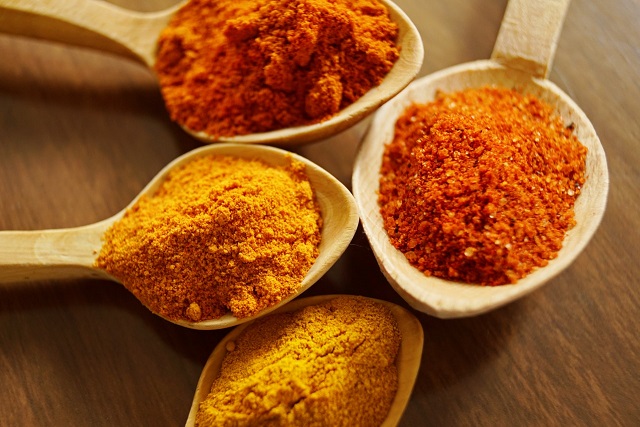
Salt the seeds and add any spices you like. You can use Try curry or a taco seasoning or go with this pumpkin pie spice to stick with the fall pumpkin theme.

Line a baking sheet with foil or parchment paper and spread the seeds out in the pan. Try to spread them out and not have them clumped in the middle.

Roasted squash seeds

Roast for 10 minutes and then stir and return to the oven. Check the seeds about every five minutes. The seeds are ready when the outsides are crispy and the insides are tender. If you hear the seeds popping, they’re definitely ready to come out.

Roasted squash seeds

Let the seeds cool and then serve. Store any uneaten seeds in a air tight container. These are good as snacks, toppings for salads, or as a garnishment for your squash soup.

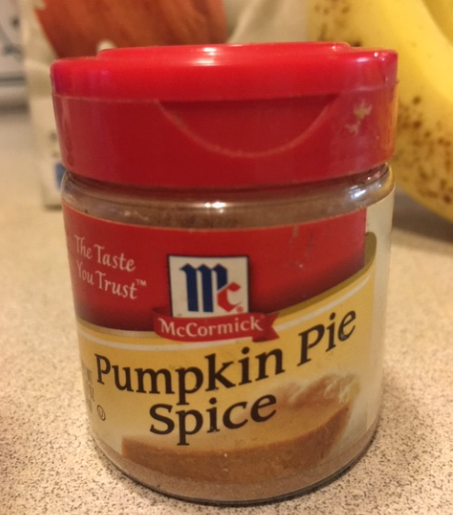
Pumpkin Pie Spice: How to Make Your Own

So Chris recently gave us a couple of great recipes to use pumpkin pie spice. I read them, thinking these sound great. I’m kind of weird and don’t often buy spice mixtures so I don’t have a jar of pumpkin pie spice sitting around my kitchen.

But hey, I do have jars of spices. When I make pumpkin pie, which is one of my favorite pies, I measure out all the spices. I also make my own taco seasoning, but we’ll save that recipe for another day.

But it does make life easier to have a jar of pumpkin pie spice available, so I sometimes make my own. Making your own blend of pumpkin pie spice is the easiest thing. It really doesn’t get any better than this: fast, easy, and tastes good.

Pumpkin Pie Spice

Ingredients

3 tablespoons. ground cinnamon

2 tsp. ground ginger

1.5 tsp. ground cloves

2 tsp. ground nutmeg

1.5 tsp ground allspice

Directions

Mix together and pour into a clean unused spice jar.  This makes about 5 tablespoons of pumpkin pie spice and is enough to make five or six pumpkin pies.

Note:

  • You can increase the cloves and ginger for a bit more “bite” in your pumpkin pie spice or you can increase the cinnamon for a more “homey” kind of flavor.
  • If you don’t have all the ingredients, you can probably omit at least the nutmeg and the allspice. The Libby’s Famous Pumpkin Pie recipe found on the back of the pumpkin puree can only uses cinnamon, ginger, and cloves and I love that pie.
  • pumpkin pie spice

Turmeric

If you decide to make Chris’ recipes, I’m going to suggest a variation.

Smoothie

Sprinkle some turmeric on top for some added zest. Turmeric is a great anti-inflammatory spice. I love to make golden milk (I’ll provide that recipe soon) and it includes turmeric. I think just a slight sprinkle is a good option for this smoothie.

Squash Soup

When you make the soup, add half a teaspoon of turmeric to the soup. It will make the soup color just a bit richer and adds additional anti-inflammatory properties to the soup.

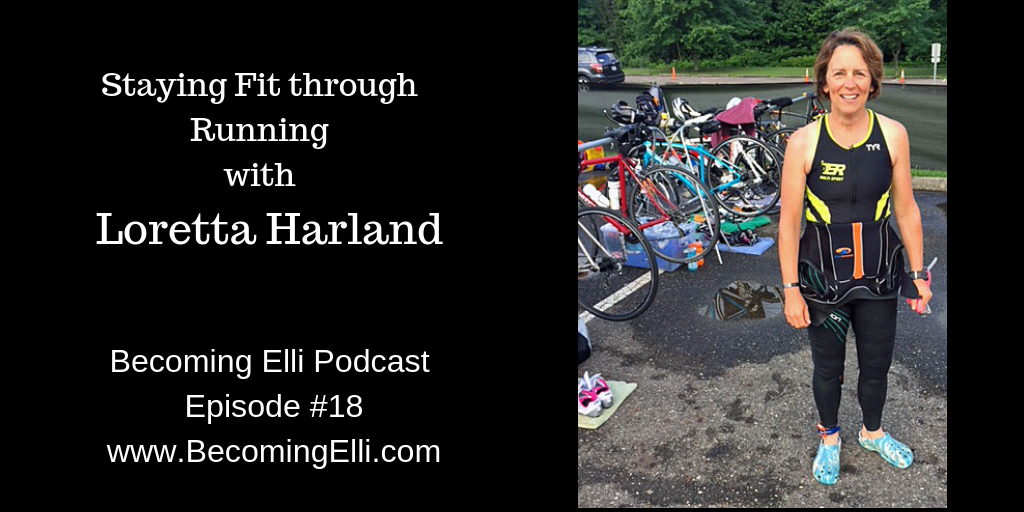
Staying Fit through Running with Loretta Harland

Podcast #18 of Becoming Elli where fit and strong women over 50 inspire and encourage each other.

Podcast: Download | Play in New Window
Subscribe: Apple Podcasts  (iTunes) Google Podcasts | Android-Google Play | Stitcher | Player FM Castbox | Tunein | Spotify | RSS

Loretta Harland has completed 21 marathons, qualified twice for Boston and was on a winning 8-person relay team (all women) for the Burning River 100.

“Being fit and feeling healthy means everything as far as our happiness everyday and hopefully adding some longevity to our lives.”

Staying Fit through Running

She started running in high school, but it was in her 20’s that she started challenging herself to run longer distances.
Loretta ran her first marathon when she was in her 30’s. Now that she is in her 50’s, she is competing in triathlons (swim, bike, run.)

In June, she won her age division, in her first Olympic distance triathlon (swim 1500 meters, bike 24.9 miles, run 6.2 miles.) In August, she completed the Ironman 70.3 in Delaware, Ohio, (more than twice as far.)

“I learned this the hard way… you might think that after a half marathon or even greater distance like an ultra marathon, you should just rest, prop your feet up on the couch, but the best thing you can do is keep moving.”

In podcast #18 she shares:

  • How she trains
  • Why she keeps running
  • What motivates her
  • What steps she takes to keep her from getting stiff and sore
  • How she keeps things fun

About Loretta Harland:

Loretta plans to run long distances, play tennis and compete in triathlons into her mid to late 50’s and beyond. Her plan for aging gracefully is to keep active, eat as healthy as possible, challenge her brain by learning new things, and let go of stress.
In her professional life, Loretta Harland, PMP is the founder of PM Trailblazer. It is a company that specializes in training and coaching professionals, managers, and executives in project management, product development, and more. Throughout her career she’s worked with, coached and trained professionals in North and South America, Asia and Europe. Wherever she travels, she finds time to run outdoors.

Loretta can be reached at Harland@PMTrailblazer.com. Visit her company’s website at PMTrailblazer.com.

In the Quick Tips section of the podcast, Jill shares benefits of fermented food, why they are so important to incorporate into your diet and discusses various fermented foods like sauerkraut, miso paste, kambuchi and yogurt.

Two Delicious Recipes to Satisfy the Pumpkin Pie Spice Craving

In the autumn I am one of those people who seeks out a pumpkin pie spice fix. Knowing that a pumpkin spice latte at the local coffee shop has way more empty calories than I need, I’ve looked for other ways to satisfy this itch.

Both of these recipes utilize the Vitamix blender, which is one of my very favorite appliances that I’ve ever received as a gift. (Every since the year I received a toaster and a vacuum ar a birthday gift, my practical husband has been more careful about buying me appliances as a gift.) The Vitamix brand is pretty pricey, so he ended up getting a reconditioned one that has served us well for more than 5 years.

You probably can make either of these recipes using a NutriBullet or another type of blender.

Pumpkin Pie Spice Smoothie

With just three ingredients, it’s a simple go to for when I want something with pumpkin sweetness. It’s funny, but this recipe doesn’t actually have any pumpkin in it.

Ingredients: Almond milk, banana and pumpkin pie spice.

Directions: Add all three ingredients to the blender and turn on for about 2 minutes. Using less milk gives a very thick smoothie. More milk and less banana gives a thinner texture. It’s up to you.


Pumpkin Pie Spice Squash Soup

Make it it in the fall. This thick soup tastes just like pumpkin pie filling to me! It provides lots of fiber and extremely delicious. Using the Vitamix blender, it is a 6 minute recipe, if you bake the squash ahead of time. I like using butternut and acorn squash the best.

I usually don’t measure, so my quantity and texture varies to match my mood.

Ingredients:

  • Squash (butternut, acorn and/or zuchinni)
  • 15 oz can of pure pumpkin
  • dash of vanilla
  • some (1/2 cup?) almond milk
  • big dump (2 teaspoons?) of pumpkin pie spice

Directions:

The night before, bake your squash.

Cut squash in half, scrap out seeds. Place inside face down on tinfoil covered cookie sheet and bake or roast the squashes in the oven. I figure 40 minutes at 350 to 375 degrees. It depends on the size of the squashes and how accurate your oven is. Refrigerate.

(You can make this all in one night, but I like to prep some ahead of time and just do the final prep all on the night I’m going to eat it.)  Then on the night you are making the soup you just assemble the ingredients into the blender.

  • Put almond milk in the bottom of the blender. With liquid in the bottom, it blends better.
  • Scoop the squash out of the skin.
  • Add 1/2 or a full can of pure pumpkin (NOT pie filling, just plain pumpkin) in a 15 oz can.
  • Add a dash of vanilla, a little more almond milk and a big dump of pumpkin pie spice.

Set blending on soup mode and turn on.

If its too thick, stir in a little more almond milk. Too thin, more pumpkin or squash, if you have it.

Do you love pumpkin pie spice as much as I do? Share a link to your favorite recipe. Hate pumpkin spice? (Sorry!) Let me know what you like better when the seasons change.

Disclosure: this post links to the Amazon affiliate program, where a portion of your purchase helps to offset the expenses associated with the Becoming Elli podcast and website.

Intermittent Fasting for Weight Loss and Health

Everywhere I turn, I run into someone saying that intermittent fasting is the thing to be doing. I’d say it’s just a trend but a number of doctors and medical experts seem to be recommending some version of intermittent fasting.

Intermittent Fasting is not a diet. It does not involve what you choose to eat but when you eat it. Most doctor’s and nutrition experts will recommend that if you’re going to try intermittent fasting, you should still eat in a healthy fashion. Don’t let the fasting make you think that stuffing yourself with cheese curls is a great way to break a fast.

In The End of Alzheimer’s, Dr. Bredesen recommends an intermittent fasting plan. He suggests that you at least have a 12 hour window of fasting, which means you should have a 12 hour period of time each day of not eating. So, if your last meal or snack is at 7 PM, you can have breakfast at 7AM.  If you’re snacking at 11 PM, guess what? You’re supposed to wait until 11 AM to eat. To be honest, Dr. Bredesen says you should avoid eating in the 3 hours before going to bed, so you wouldn’t be snacking at 11. He says it might be even better to aim for 14 to 16 hours of fasting. Basically, if your last meal at the end of the day ends at 8 PM, you don’t eat until 10 AM. You can check out my review of this book.

So, all those people who said over the years, I don’t want to eat breakfast were perhaps on to something.

I’ve seen similar recommendations from Dr. Steven Masley, Dr. Mary Hyman, Dr. Perlmutter, and others.

Benefits of Intermittent Fasting

Why should we practice intermittent fasting? What’s the benefit to us? Well, a number of medical studies have shown that fasting helps us:

  • improve our mental health
  • lose weight
  • lower our risk of developing a chronic disease.

It helps with weight loss. There is the basic fact that if you’re omitting a meal each day, you’ll probably eat less. But there’s some evidence that this actually increases your metabolism. Also, intermittent fasting helps your body burn fat as energy which of course leads to weight loss.

Besides weight loss, intermittent fasting reduces the insulin resistance in our bodies which lowers our risk of type 2 diabetes.

Intermittent fasting also helps improve our mood and our memory. It’s supposed to be good for cognitive health.

Types of Intermittent Fasting

The method of intermittent fasting that I described above can also be called a time restricted fast. You eat every day but just limit the hours when you eat.

Intermittent Fasting

Related to the time restricted fast is the One Meal a Day plan. You can guess what this is…you eat once a day. Obviously if you’re eating one meal a day, you’d better make sure it’s a good one. I’ve met a number of people who eat this way and they claim to have lost a lot of weight and to like eating this way.

There’s also a 5:2 plan. Two days a week, you eat a restricted diet of about 500 calories and a normal number of calories the remaining 5 days.

There’s also a monthly fasting plan where once a month you reduce calories for 5 consecutive days to about 35 to 50 percent of your normal caloric intake. So, you normally eat 2,000 calories a day, you would reduce that to 700 to 1,000 calories for 5 days in a row.

Finally, some people fast for 24 hours at a time, a couple days a week.

Best Practices with Intermittent Fasting

Before you start fasting, make sure you don’t have health issues to prevent this. Women who are breast feeding should be careful with fasting. Also, if you suffer at all from any eating disorders, you might want to avoid fasting of any kind. If you are under a lot of stress, it’s probably not the time to add a major change in your eating patterns. Why introduce more stress?

If you’re not sure if you’re a candidate for trying intermittent fasting, check with your doctor.

Once you decide that you want to try intermittent fasting, keep a few things in mind.

  1. Remember to drink your fluids. Water, calorie-free drinks, black coffee, and green or herbal tea are probably all fine for you. Be sure you stay hydrated while fasting. Also, sometimes we feel hungry when we’re really thirsty.
  2. Get plenty of sleep. Your body needs sleep to repair itself. Sleep helps with cognitive health as well as physical health. Plus, while you’re sleeping, that fasting time goes by a lot faster.
  3. Be careful with working out when you first start. While your body is adjusting to fasting, you probably don’t want to also decide to take up some heavy duty workout regime. Be patient and let your body adjust. Then you’ll be able to tell how much working out you can handle in a fasted state. If you’re doing the 2:5 method, consider those two days of restricted calories as your rest days.
  4. Make sure you’re eating nutrient-dense foods when it’s time to eat. If you’re not eating for an extended time, you really want to make sure you’re getting your vitamins, minerals, fiber, fat, protein, and so on in your food.


Transitions between Seasons

The weather is going through a transition this week. From super hot to rainy and recently muggy. I’ve also noticed the leaves are falling. Here in Ohio, it’s nothing like what folks are dealing with in the Carolinas. We may get some rain in a few days, but it may just feel like the season changing as well. The forecast has it going back into the 80’s again later in the week.

Exercise Transitions

Transitions of the seasons call for a transition from biking to hip strengthening to running for me as well.

It seems weird to me to think that I haven’t ridden my bike for an entire week. Bike riding has been such a big part of my summer. Last weekend I was a course marshal at NEOcycle in Cleveland. They closed the shore way expressway so that hundreds of bike riders could decorate their bikes with lights and ride along to see some of the best sites of Cleveland at night.

This week I’ve been concentrating on cross training and strengthening for the Akron marathon.

After going to get some physical therapy for my Achilles tendonitis (cupping, dry needling and the massage boot), I’ve been faithfully doing the exercises the doc gave me to strengthen my hips. The thing I love about it is that she worked on my tight calf, but also gave me physical therapy information so that I can resolve the core problem.

My problem is weak hips in the side to side direction. I’d been doing squats, dead lifts and lunges, but those work the forward motion. Now I’m focusing more on doing sideways walks. I’ve heard them called duck walks or monster walks and I demonstrate in this video.

Using the Theraband and doing this type of walking sideways helps to strengthen the hips. I find that I am strong in the forward plane. So much of the biking and running is a forward motion that uses the quads. But on the other hand, when I’m not working out, so much of my day as a marketing consultant involves sitting at a desk, in a meeting or driving to an appointment. I find that sitting and forward motion are my two levels of activity. No wonder the side-to-side strength is compromised.  I’ve only been doing these for a week and feel better.

Today Jill and I did a training run which will be my last long run before the Akron half marathon in two weeks. She and I did a lot of run-walk-runs (90 secs run with 30 sec walk break.) I also made sure to walk up the hills in an effort not to stretch my Achilles. I was hoping that it would really help to have my muscles recover with a break ever minute and a half, so ultimately I run 3/4 of the time, walk 1/4 of the time and end up not cramped or injured.

transitions between summer and fall

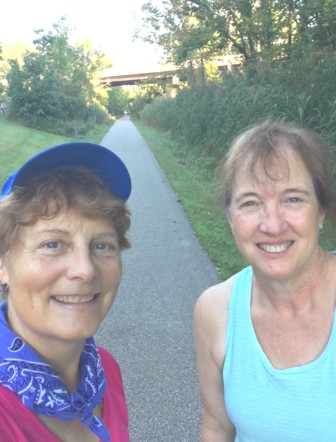
At the start of our almost 10 mile run-walk training run.

We are lucky enough to have some beautiful trails to use for our training run.

There is a lot of wildlife too. In fact, I saw a tiny snake at about mile 8.5 and jumped “a mile”, re-injuring my Achilles that I’m trying to baby. Even thought was a tiny little snake, but I am terrified of snakes so when jumped all my muscles tightened up. Not good.

The rest of today will be dedicated to R-I-C-E (Rest, Ice, Compression and Elevation.)

I did manage to spend 10 whole minutes in an ice bath when I got home and I think it helped. Being in a very cold tub definitely distracted me and at least had my mind focused on how incredibly cold I was feeling!!

Transitions in Food

When the change in the weather comes, my eating habits change too. Last night I made vegetable soup for dinner and added some already cooked brown rice at the last minute. Delicious! Next I’ll be making some pumpkins spice smoothies and pumpkin spice butternut squash soup in the Vita-mix.

How do you deal with the onset of fall? Does the change in weather change your exercise habits? What you eat? Leave a comment in the section below.

Recording Your Body Measurements

Today I want to talk about the value of recording your body measurements. We’ve talked about weighing ourselves in this blog (To Weigh or Not to Weigh) and I think that’s a useful measurement to track. It’s certainly useful to know that your weight jumped five pounds in the past month.

I gained some weight on my super-duper exciting summer of travel and now I’m trying to take it off. I went to the beach twice and on a ten-day visit to Italy and had a great time. There always comes that moment when you come home and jump on the scale. Sigh. Putting weight on is so much easier than taking it off. It doesn’t seem fair, but I guess it’s also a lot more fun to put the weight on than to take it off.

I’m back to working out and I’m training to run the half marathon at the end of September. That actually made me start thinking about the weight because I figured the running will be a bit harder if I weight more. It’s hard enough running 13 miles without adding extra weight.

I keep a log of my weight. It’s just a paper journal that I use to write the date, my weight and the body fat number that my scale gives me. I flipped back to last year and found that last year in September I weighed 5 pounds less. OK, so I felt a bit better because it feels like I gained more than that. It made me feel a bit more confident about running the half marathon.

Body Measurements Journal

Tracking Body Measurements

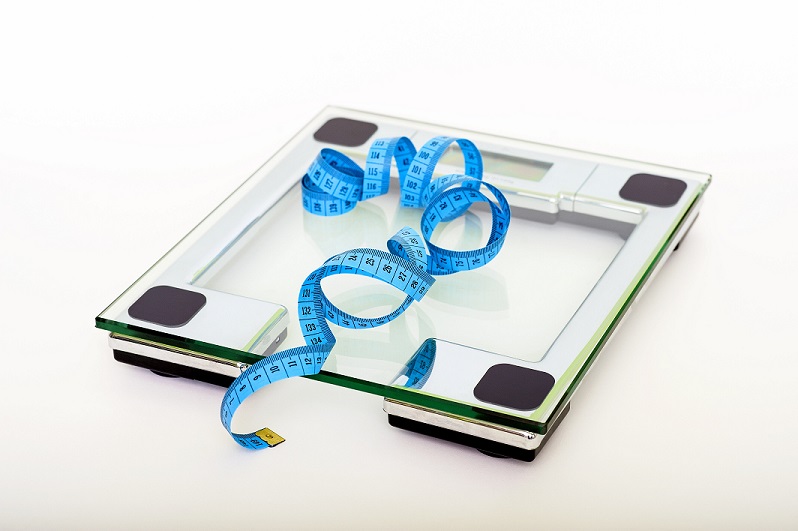
Besides recording my weight and body fat percentage, I also measure myself about once a month. I weigh my waist, at my navel, the widest part of my hips, and around my right thigh. Once in a great while I measure my neck but it’s difficult and I don’t think that number is very accurate.  I don’t measure anything else because it’s hard to do on myself. These numbers work well for me. These body measurements allow me to see my progress or lack of progress.

I write these numbers down in my log too, which allows me to refer back to them when I want.

When I returned from all of my vacationing, not only had I gained weight, my measurements had all gone up by an inch or more. That was alarming to me. So this is what I checked today. I’ve only lost a couple of pounds since I gained the weight over the summer but my measurements have improved. I’m not quite where I was at the beginning of the summer but it’s going in the right direction.

Here’s the interesting thing. I went back to September 2014 in my log. (Yes, I’ve been keeping this log for a while.) My weight is about the same number as it was then BUT my measurements are still consistently less than then. So, I weigh the same but I am thinner. That’s because I obviously have more muscle now and less fat than I did then.

This is why just fixating on what the scale says can be so misleading. Weight only tells you so much. It’s a great indicator of how you’re doing but don’t count on it as the ultimate fitness number.

You can do a similar thing by using a pair of jeans or some other item of clothing and try it on periodically. I like having the actual numbers but you may not like data as much as I do.

Body Measurements at the Gym

Besides the measurements that I do monthly, I get assessments done at my gym where they weigh me, calculate my body fat, and take body measurements.  They do more measurements than I can do so that’s also nice. Besides waist, hip, and thigh, they include chest, arm, and calf.  I do this approximately every six months or so. It’s also a great way to keep my eye on my progress.  Sometimes I’m delighted by the results. Sometimes I’m not so happy and I work on a plan to improve what I’m doing.

Body Fat

I’ll do a separate post about body fat some time because I’ve had this measured in different ways. It’s interesting how those results can vary.

For my own personal log, I just use the number on my Fitbit Aria scale. I know it’s not the most accurate body fat measurement but it’s consistent. I can see how I’m doing on a daily basis. So right now my scale tells me that I have more body fat than I did six months ago.  It goes along with tracking my weight.

I don’t know that it’s the most important data in all of this but I track it just because the number is there in front of me.

Recording Body Measurements

Here’s my advice on tracking weight and such. Include measuring some parts of your body. Just grab a measuring tape and weigh what you can. Record it somewhere. If you use a food tracking app, you can usually add it there. I just write it down in my trusty journal because it’s quick and easy. Plus, I use food tracking apps inconsistently so I hesitate to rely on one for this.

I use a Fitbit Aria scale. That means it uses the WiFi in my house to access my Fitbit account and logs my weight and bodyfat percentage whenever I use the scale. Therefore, that data is also available online. I don’t log my body measurements there so that’s not included. I bet I could find a way to include that information if I wanted.

Body Measurements and Body Fat

Fitbit probably knows more about my body than my doctor but that’s a discussion for a different day.

I find it helpful in my journey to be fit and strong to keep track of how I’m doing. When I start to feel negative about myself, I go back and see how far I’ve come. If I see that my numbers are backsliding, I can begin to focus a bit more on how I’m eating and making sure that I’m getting in my exercise.

Pros and Cons of the Elliptical

Podcast Episode 17 – Pros and Cons of the Elliptical

Podcast: Download | Play in New Window
Subscribe: Apple Podcasts  (iTunes) Google Podcasts | Android-Google Play | Stitcher | Player FM Castbox | Tunein | Spotify | RSS

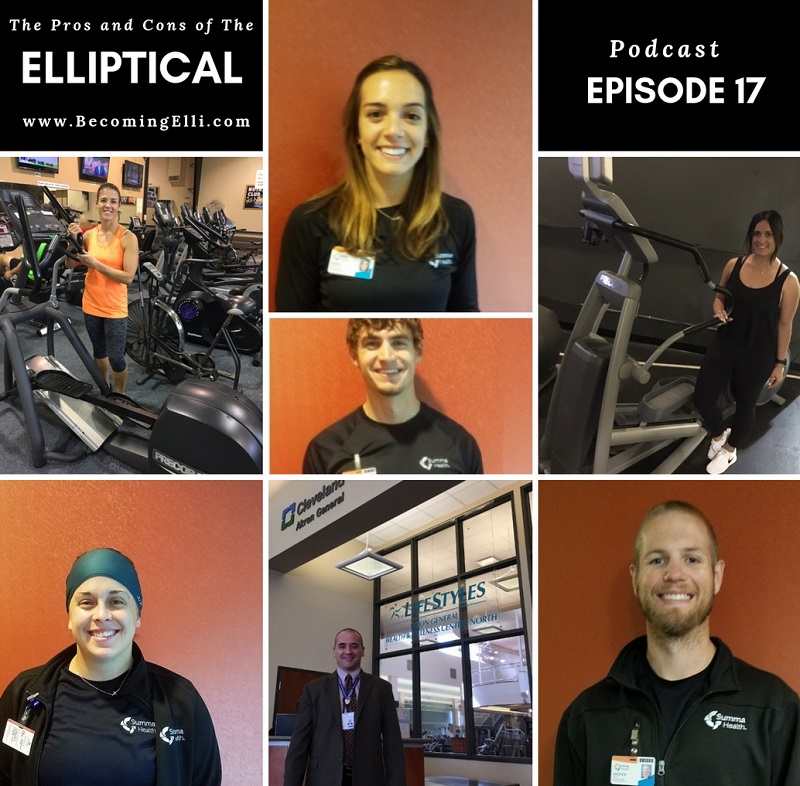
Controversy surrounding the Elliptical was started inadvertently in Episode #5 when Brian Kennel mentioned his thoughts on the Elliptical.  In Episode #17 of the Becoming Elli Podcast, Chris and Jill look for answers when they interview a series of experts on their opinions about the use of the elliptical for women over 50.

In this episode you will hear:

  • The pros and cons of the Elliptical Machine
  • What to use instead of the elliptical
  • Mistakes people sometimes make
  • How to get a great workout on the elliptical
  • Why some people do not recommend the elliptical for women over 50

Experts interviewed include:

  • Sara Renard has her Group Fitness Instructor Certification from AFAA (the Aerobics and Fitness Association of America), Personal Trainer certification from NETA (National Exercise Trainers Association.) She is responsible for all of the group fitness instructors at LifeCenter Plus.
  • Andrew Oravec is a personal trainer, exercise specialist, and group fitness instructor at Summa Wellness Center and has a Master’s Degree in Exercise Physiology from University of Akron. He is a Certified Exercise Physiologist by the American College of Sports Medicine.
  • Jennifer Stefanik is President of Central Wellness and has her Bachelor’s and Master’s Degree in Exercise Physiology from Kent State University. She is a Certified Group Exercise Instructor and Certified Health Coach through American Council on Exercise.
  • Maria Stadelman is a personal trainer at Summa Wellness Center and has a bachelor degree from Ohio University in Exercise Physiology. She has been an athlete her whole life. Maria was interviewed on Episode #1 of Becoming Elli and many women are still downloading and enjoying listening to this episode.
  • Suzanne LaChance is a fitness specialist, personal trainer and group exercise instructor. She is also a certified Zumba instructor and is Certified by the American College of Sports Medicine as a Exercise Physiologist. He holds a Master’s Degree in Exercise Physiology from the University of Akron. She works at Summa Wellness Center.
  • Jacob Weatherbee is a fitness specialist who has a Bachelor’s Degree in Exercise Science from the University of Akron and has a certification in Exercise Physiology through American College of Sports Medicine. He also works at Summa Wellness Center.
  • Mark Feakes is the Director at LifeStyles North at Cleveland Clinic Akron General. He has a Bachelor of Science in Athletic Training from the University of Akron and has many years of experience as a certified personal trainer as well.


Prices for various Elliptical Machines vary. Here are some elliptical machines that may be workable for home use.
Disclosure: these photos link to the Amazon affiliate program, where a portion of a purchase might help offset the expenses associated with the podcast and website.

Ride Review: Trying out the Cyclebar Cycling Studio

This past week, the nearby Cyclebar cycling studio had a coupon for a free week of cycling so I tried out a class on Labor Day Monday. For the free trial, you log into their website, reserve a seat ahead of time and they assign you a bike location.

When I walked into the reception area, the first thing I noticed was how new and shiny everything looked. The young woman at the front desk directed me to the row of little iPads so I could check in, get my seat assignment, and borrow shoes, if needed. I had brought my own clip-in shoes, but they had lots of new-looking bike shoes to use if you didn’t own your own bike shoes.

My first impression of Cyclebar:

  • They were trying very hard to make everything a really great experience.
  • clean
  • friendly
  • organized
  • energized

Next, I moved into the open locker area. There were several benches to sit and change shoes.

The wall in the “locker” room had lots of encouraging quotes and phrases, which are so popular these days. Each locker had it’s own assignable combination, so you could lock your stuff up without worrying about it.

The third room in the place is the workout area – the cycling studio theater. It was immediately clear to me that this was designed to be an “experience.” With 48 cycle seats and only 2 empty, it was a packed house.

The bikes were all matching Schwinns. They all seemed very new, clean and fully functional. Crisp, white towels were rolled up and set on left hand side of each bikes’s handlebars.

The room was dark. With my eyes, it was very hard to see where the indicator marks should be set for the seat adjustments and handlebars, so I just guesstimated based on my experience from spinning at my gym. Because it was a “free trial day”, there were a lot of first timers, including the woman next to me who asked me how to set her seat. Of course, it was my first time there too, but I tried to help her. When there are so many people in the class, it’s hard for the instructor to get to everyone before the class starts. I tried to give her some help, but I really doubt that she was set up correctly.

Our instructor was extremely fit and very energetic. He used lots of hand motions and was very animated. He wore a headset microphone, so he didn’t have to shout. It was definitely a good sound system. The music was loud, but not ear splitting. I didn’t recognize any the songs, but I think there might have been a Bruce Springsteen one near the end of our session.

cycling studio

The instructor gave us lots of directions. I felt that with so many instructions throughout the session, it was difficult for me to get into the groove of the music by just closing my eyes and riding. Maybe it was just because this was my first time and everything seemed so new and different.

From a marketing standpoint, the Cyclebar franchise positions their “Rock Your Ride” theater experience as a feeling between a “sanctuary and rock concert.”

There were lots of colorful lights (mostly red) that the instructor played with all the time throughout the 45-minute class. I guess that was part of the rock concert feel. Once we got going, it was a bit of sensory overload for me. Maybe the music was curated for someone in their 30’s or 40’s. There were 3 or 4 battery operated candles in front of the instructor’s bike. My friend never even noticed the candles until she was leaving, because they were too low. I only saw them when he got off his bike and was moving them around, but wondered why they were there. After reviewing their website, I now figure that was a nod to the sanctuary feel.

The ride had a really good warm up at the beginning. I liked that the bikes’ monitors actually showed the resistance level on the mini screen and the mini screen stays lit up for the duration the ride. At the beginning of each song, the instructor would give us a number range for resistance (in the photo below, mine is set at a 6) and RPM (89). From my spinning classes I knew what the RPM was, but I wasn’t used to actually seeing the resistance level – I had always just thought of the resistance as easy, medium or hard.  It was kinda nice to actually see the number that correlated to the resistance of what I just felt as easy, medium or hard. The instructor didn’t really talk about hills or jumps. I don’t think the idea of this particular ride was to mimic outdoor riding at all.
The handlebars had about 6 places to hold onto and I liked the bar up the center so you could lean your elbows down on the handlebars with your hands along the top in the middle.

During the class, there was a lot of moving around on the bike: up and back, down and forward. I guess that is supposed to work your core. It felt a bit weird seeing the whole room standing and bowing to the music. It was like a sea of people. With the lights flashing and everyone moving together to the music, it made me a little bit dizzy  for a minute because of the mirrors and where I was located in the room.

One of the songs utilized two bar weights that were included down the front fork of each bike. I’d say they were about 3 or 4 pounds each, but I only did it for a couple of moves with them. I’ve tried a weighted ride before and I know that, without proper form, this is a good way for me to strain my back. I’m pretty conservative when it comes to getting injured, so I just put the bar back in place and did the hand motions of out and up with the rest of the class. (Okay, I’m a wimp!)

Most interesting is the scoreboard. From time to time, it would rank everyone in the room in number terms. I’m still not sure what all the numbers mean. The instructor only let it flash it up on the screen a few times, before turning it off. He’d show the whole class, and then the top 5 riders or maybe the top two. I guess he didn’t want people to obsess about their ranking during the ride.

When I looked around, most people were wearing a plain tank top with no writing on it. I couldn’t tell if they had bike shorts or regular shorts on and had a bike pad under their shorts.

The air conditioning was cranking when we first walked into the place and it felt cold in the front rooms, but about 15 minutes into the session I was wondering if he was going to turn on the fans. Granted, I sweat a lot, but there were an awful lot of people in one room working out and it was one very hot Labor Day weekend here in Northeast Ohio.

At the 45 minute mark, the ride was over and while we stretched, one of the staff members passed out damp disposable wipes for each person to disinfect their bike. They mentioned that another class was about to start in 30 minutes.

The bike that I was assigned to was up against the mirror. There were four of us in this position. While it looked like I had lots of room – because of the mirror – when it was time to stretch at the end of class, my arm was hitting the mirror.

The instructor went over near the exit door of the cycling studio and greeted each person with a fist bump as they left. He left the scoreboard up on the screen so everyone could read it as they cleaned off there bikes and left the room.

When we walked into the locker room area, another staff member handed out face clothes. I think the thing I liked very best about the entire experience was these little face cloth towels, all rolled up, smelling like lavender, wet and cool when we walked out. It reminded me of the Japanese custom of passing out little cloths after a meal and also on the airplane on the way to Japan.

Because it was a full class, the locker room was extremely tight as we got our belongings out of the lockers. At first there wasn’t enough room to switch into street shoes, so we waited a bit for things to clear out. I’m not sure why, but it reminded me of a ride at an amusement park that I had just completed — Maybe it was the flashing colorful lights and loud music. And that the theater room was so dark. By comparison, the locker room was very bright and cheery. The distinct difference between the two reinforced that Cyclebar is set up to be a very well-planned experience, not just a workout.

It was fun to do this over the holiday weekend. They mentioned that they had a special running – monthly unlimited memberships are $99/mo which compares favorably to their drop-in rate of $20 a class.

After I got home, found an email sent to me with my results. You can also log into their website to see how you did. Here is the screen captures.

Truthfully, I’m not exactly sure the significance of the numbers, except for the calorie burn. They never asked for my weight, so I’m not sure how accurate the calories are. By comparison, my FitBit showed I only burned 311 calories during the 45 minutes of the actual ride, but it also showed another 97 calories in the first 15 minutes after class too. So I’d say my actual total calorie burn for the class was 408. Not too bad for a Monday morning!

Later I noticed on their website, you can go back to your class to click on the instructor’s play list and it is connected to Spotify. I don’t have a Spotify account, but if I did, I’m sure I would like being able to do this.

Do you have a Cyclebar studio near you? If you’ve tried it, what did you think? What new workout have you tried lately? Anything out of the ordinary?

The End of Alzheimer’s by Dr. Bredesen: Book Review

I was reading an article on line and the author mentioned The End of Alzheimer’s by Dale E. Bredesen, MD. I jumped over to Amazon, read the reviews, and ordered the book. I sat down and read it quickly. Given its complex subject, I have gone back and reread sections.

The End of Alzheimer’s

The End of Alzheimer’s: The First Program to Prevent and Reverse Cognitive Decline both an exploration of Dr. Bredesen’s research on Alzheimer’s and a guide to how we can prevent or even reverse Alzheimer’s and the beginning phases of dementia.

The first part of the book is an overview of standard thinking about Alzheimer’s and information on Dr. Bredesen’s work on reversing cognitive decline.  Some of this gets rather technical though he does a great job of explaining. I’ve worked for many years as a technical writer and know how difficult it is to explain detailed, technical information in a clear, straight-forward way. I think Dr. Bredesen does a good job explaining his work, basic biology, genetics, and pharmacology. A couple of chapters can probably be skimmed if you really don’t want to know why he came to the conclusions he reached and put together his protocol.

Dr. Bredesen says there are three different types of Alzheimer’s and what treatment is needed depends on the type that you have. Also, there are 36 different factors that contribute to Alzheimer’s, which is why this is such a complex program.

ApoE4

Dr. Bredesen does a good job of explaining the genetic component of Alzheimer’s and the risk component of having the ApoE4 gene variant. He does explain how you can find out if you have this gene. We all have to decide for ourselves if we want to know but Dr. Bredesen suggests that it’s better to know and to act than not.

He specifies a lot of testing that you need to do. Much of it is blood work though he does talk about scans as well. What you need is based at least somewhat on the lab results.

ReCODE

The remainder of the book is devoted to describing the protocol he calls ReCODE. This is the program created to prevent or reverse Alzheimer’s. This is a complex program and not for the faint of heart if you were to do everything he describes. The program includes an eating plan based mainly on vegetables with some meat and eggs. It’s a gluten-free and mostly dairy-free way of eating.  The eating plan is very similar to other anti-inflammatory diets I’ve read about.

He recommends that those following the protocol practice intermittent fasting of at least a 12 hour fast and to be in a mild Ketogenic state.

This protocol also includes lots of exercise. He recommends combining aerobic exercise with weight training. You want to work out at least four or five days a week for 45 to 60 minutes in total each day. When you read the list of benefits of exercise for cognition, you’ll be more motivated.

Besides diet and exercise, the protocol covers stress reduction, sleep, supplements, cognitive training, and more. As I said, it’s complicated.

Conclusion

I found this book to be enlightening and made me optimistic about our ability to treat Alzheimer’s. We keep hearing how there’s a tsunami of Alzheimer’s patients coming our way and this helps me hope that it’s not as bleak as most news reports sound.

The biggest question I had by the end of the book was how to figure out what you need. It wasn’t really clear to me what I would do next. The appendices list a fair number of resources and it was only when I started poking around online that I figured out that there are ways to get many of these tests done on your own. I also found that the Institute for Functional Medicine will be training medical practitioners in ReCODE (The Bredesen Protocol).  There do not appear to be a lot of doctors available right now who have been trained on this so I suspect you’ll have to figure some of this out on your own.

I found this book to be informational, inspiring, and made me hopeful that we can overcome many of the fears of Alzheimer’s. Just what exactly to do next is what has me a bit stumped.

Disclosure: the photo above links to the Amazon affiliate program, where a portion of your purchase helps to offset the expenses associated with the Becoming Elli podcast and website.


The End of Alzheimer's

« Older posts Newer posts »

© 2026 Becoming Elli

Theme by Anders NorenUp ↑