Fit Strong Women Over 50.

Category: Fit and Strong (Page 6 of 56)

Non-Dairy Sources of Calcium

My doctor told me to make sure I’m eating enough calcium to keep my bones strong. There may have been some grumbling because I’ve been trying to make sure I eat enough protein and fiber and now I have to think about calcium.

I know I can use supplements but I’ve heard concerns about heart health from calcium supplements. When I discussed this with my doctor, she recommended that I try to get as much calcium through my food as I can.

When I think about calcium, I think about dairy products like milk and yogurt and that king of dairy snacks, cottage cheese.

However, if you are vegan, lactose-intolerant, or simply looking to diversify your sources of calcium, you need to find some nondairy options. What are some of the best nondairy sources of calcium?  How do you keep your bones and teeth strong without reaching for the milk carton?

Non-Dairy Sources of Calcium

Check out these options for adding non-dairy sources of calcium into your diet

Leafy Green Vegetables

Dark, leafy greens are calcium powerhouses. Kale, collard greens, bok choy, and turnip greens are especially rich in calcium. For example, a single cup of cooked collard greens has about 268 mg of calcium—over 20% of the daily recommended intake for adults.

Be aware that some greens, like spinach and Swiss chard, contain oxalates, which can reduce calcium absorption. (I may have to write a post about oxalates because I don’t know a lot about them.)

I was disappointed when I learned about spinach reducing calcium absorption because I was eating a lot of spinach. I’ve tried to switch to kale and other greens. I’m sure I can eat spinach but eating it every day may not be a good idea.

Fortified Plant Milks and Juices

Many plant-based milks, like almond, soy, and oat milk, are fortified with calcium. They typically contain about the same amount of calcium as dairy milk, if not more, with 300 mg or more per cup. Similarly, some orange juices are fortified with calcium, providing a refreshing, tangy boost.

Apparently, consuming foods fortified with calcium is better than taking a supplement because the food provides other nutrients and isn’t just a blast of calcium into your system.

Canned Fish

Fish like canned salmon and sardines are great sources of calcium The bones that are in the can is what provides the calcium.

Soy Products

Tofu is a great source of calcium. It provides around 400 mg per half-cup serving.

Tempeh, a fermented soy product, also provides calcium, though in smaller amounts (about 100 mg per half-cup).

Edamame is also high in calcium.

You can use these foods in a variety of ways. Check out some of the ideas for tofu in other blog posts.

Nuts and Seeds

Almonds, chia seeds, and sesame seeds are particularly high in calcium. Just one ounce of almonds provides 76 mg of calcium, while a tablespoon of chia seeds has about 80 mg. Tahini, a paste made from sesame seeds, is also a great addition to dressings and dips, offering a calcium boost of around 130 mg per two tablespoons.

Beans and Lentils

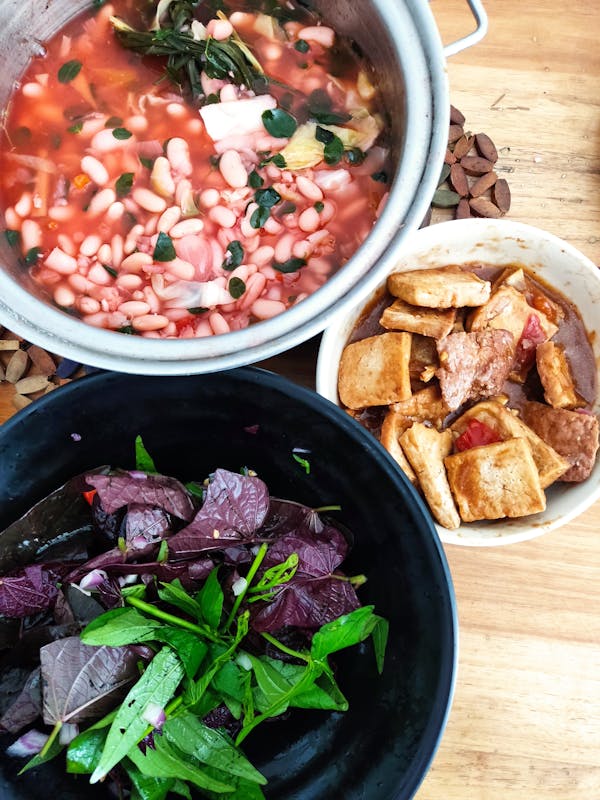
Legumes like white beans, black-eyed peas, and lentils are good plant-based sources of calcium. A cup of cooked white beans contains approximately 161 mg of calcium, making it easy to add to soups, stews, or salads for a nutritious boost.

Seaweed

Certain types of seaweed, such as wakame and kelp, are rich in calcium. A one-ounce serving of dried wakame can contain up to 130 mg of calcium. Seaweed is often used in Asian cuisines, but it’s easy to sprinkle dried seaweed onto salads, soups, or even popcorn.

I’m not a doctor or a dietitian so I’m just sharing information I’ve read. So, don’t let me stop you from using supplements or eating spinach. If you’re trying to figure out how to increase your calcium intake, adding these non-dairy sources of calcium to your diet is easy and delicious. There are plenty of options to keep your calcium levels high without the need for dairy.

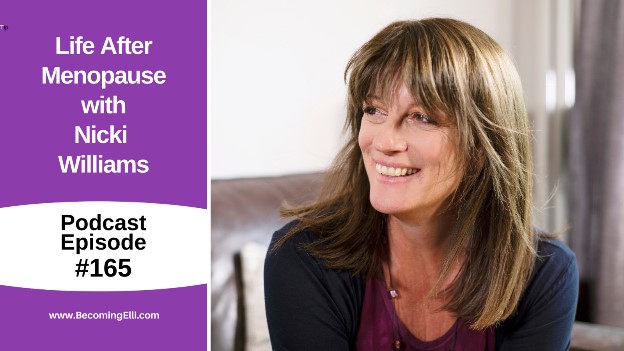
Life After Menopause with Nicki Williams

#165-Life After Menopause with Nicki Williams

Download | Play in New Window

In episode 165, Jill and Chris speak with award-winning nutritionist and author, Nicki Williams.

She is the founder of Happy Hormones for Life, helping women of all ages to rebalance their hormones, reclaim their health and feel better than ever.

After failing to find any medical help for her health issues in your early 40’s, she discovered that she could turn things around using diet, lifestyle and natural supplements.

Nicki is the author of “It’s not you, it’s your hormones; The essential guide for women over 40 to fight fat, fatigue and hormone havoc.” Her soon-to-be-released book “Life After Menopause; Embracing the next chapter with a healthy body and mind” is due out this year. UPDATE Just released. Find out more here:  Life After Menopause

We discuss:

  • Practice stress reduction self-care, sitting and meditating at least 10 minutes every day with a meditation practice sometimes walking in nature or read a book. Intentionally spend 10 to 15 minutes to switch off the stress response
  • Switch to doing less cardio and much more strength training to feel strong and powerful
  • The five changes or additions to supplements she recommends considering:
    • A good multivitamin with active levels of B vitamins and minerals
    • Vitamin D – she takes it with K2 so it absorbs better
    • Magnesium 3 to 400 milligrams she prefers magnesium glycinate because it absorbs well or magnesium citrate which helps if you have a problem with constipation
    • Vitamin C helps with immunization your skin eyes hair and provides the important antioxidants
    • Omega 3–EPA DHA helps with heart skin and joints
  • Try to eat 80% of the time an anti aging diet, which includes hydration. Only 20% of the aging things, (bad oils, alcohol, sugar, prepackaged foods, other things that we know aren’t necessarily health food)
  • Get hormones tested. Particularly look at cortisol, insulin, thyroid, estrogen/progesterone
  • Nutrition advice for postmenopausal women- eat enough protein,don’t eat packaged goods. instead eat whole foods
  • Adjust carbohydrate intake to fruits and mostly vegetables. Skip the white carbs/ bread to help get rid of the tired foggy, moody feeling
  • Her favorite on the go meal” salmon or chicken with leafy greens and a side of quinoa with chopped up fresh veggies and feta cheese

Links:
Website:  www.happyhormonesforlife.com
Facebook: www.facebook.com/happyhormonesforlife
LinkedIn:   https://uk.linkedin.com/in/williamsnicki
Instagram: happyhormonesforlife

Please Subscribe to the Fit Strong Women Over 50 podcastApple Podcasts  (iTunes) Google Podcasts | Pandora | Stitcher | Player FM Castbox | Tunein | Spotify | RSS | Amazon Podcasts | iHeartRadio |

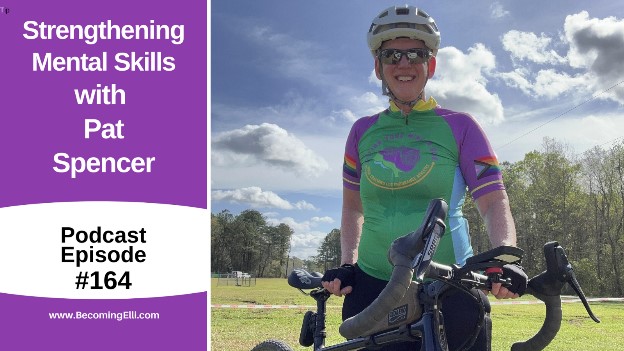
Strengthening Mental Skills with Pat Spencer

164 – Strengthening Mental Skills with Pat Spencer

Download | Play in New Window

In episode 164, Jill and Chris talk with Pat Spencer, owner of Getting Your Mind in Gear, who helps endurance athletes hone the mental skills needed to achieve their endurance sports goals.

Pat is an avid gravel cyclist, former long course triathlete, marathoner, and open water swimmer. A licensed clinical social worker and a therapist with a private practice in central New Jersey, she has worked in mental health for 25+ years in a variety of settings, including directly with clients, as a supervisor, as a adjunct professor and providing a number of professional trainings.

In 2022, she decided to combine her understanding of mental health with her love of endurance sports. She knew she was not the only athlete out there dealing with all of the mental challenges that come with endurance sports.

“As an athlete I have experienced the pre-race jitters, the nagging self doubt and the lulls and low motivation that occurs in training. Using a mix of tools and skills I get through these challenges to help you crush your goals.”

When not working you can find her lifting heavy stuff at the gym, exploring the roads in the northeast USA or scuba diving somewhere in the world. She also enjoys watching college football or Jeopardy with her wife and their cats.

We discuss:

  • What makes a good goal? How does she help people define their goals?
  • How to best commit to a goal and why is that so important?
  • How to deal with that internal voice “inner critic” that so many women seem to have
  • Harnessing motivation, habits, discipline and ways she helps others stay focused
  • Her workshop “Menopause, Mindset and Mental Health”
  • Self talk, visualization and her RUNER technique of getting thru a tough mental roadblock
  • R=recognize, U=understand, N=name the emotion, E=explore options, R=respond
  • Hydration and the importance to maintain a strong mental attitude during endurance challenges
  • Finding your WHY to learn where your motivation comes from.
  • Identifying yourself as a runner or a biker and then asking “what do runners do? swimmers do?”
  • Reframing from “I have to” so that you feel like “I get to”
  • Tools like Mindset Monday on her Instagram account
  • Finding ways to celebrate what we can do and what we do have
  • Dealing with a DNF (Did Not Finish)
  • Overcoming Fear

Links:

Website – Getting Your Mind in Gear
Resources –  Forms and Worksheets
Facebook – Getting Your Mind in Gear
Instagram – Getting Your Mind in Gear
YouTube channel – Getting Your Mind in Gear

Please Subscribe to the Fit Strong Women Over 50 podcastApple Podcasts  (iTunes) Google Podcasts | Pandora | Stitcher | Player FM Castbox | Tunein | Spotify | RSS | Amazon Podcasts | iHeartRadio |

Lowering Cholesterol Through Diet and Exercise

Have you ever tried lowering your cholesterol through diet and exercise? Is it possible? Perhaps it isn’t something that you have struggled with, but I know for myself when I lost weight, increased my muscle mass and started eating right I was able to lower some of my high cholesterol numbers. Remaining vigilant is more difficult some times than others.

Finding ways to keep lowering cholesterol through diet and exercise (and trying to stay off statins) is one of my health and fitness goals.

Cholesterol numbers are linked to determining your risk of developing heart disease or experiencing a cardiovascular event. My high cholesterol is probably herditary, but I know if I am pretty strict with my certain foods (limiting butter, egg yokes, shellfish and red meat) and I keep an average of over 50 minutes of exercise every week, it has an impact on my numbers.

But what does controlling cholesterol actually mean?

There are many numbers and various parts of the lipid panel that make up various parts of cholesterol. When you get your lipid panel done through a blood at the doctor’s laboratory it usually means several different measurements.

I asked artificial intelligence to outline what makes up a lipid panel and how to control cholesterol through diet and exercise. This is what I got back:

  1. Total Cholesterol: This is the sum of all the cholesterol in your blood, including LDL, HDL, and a portion of triglycerides.
  2. Low-Density Lipoprotein (LDL) Cholesterol: Often referred to as “bad” cholesterol because high levels can lead to the buildup of plaque in your arteries, increasing the risk of heart disease and stroke.
  3. High-Density Lipoprotein (HDL) Cholesterol: Known as “good” cholesterol because it helps remove LDL cholesterol from the arteries, reducing the risk of heart disease.
  4. Triglycerides: A type of fat in the blood. High levels of triglycerides can increase the risk of heart disease, especially when combined with high LDL cholesterol or low HDL cholesterol.
  5. Total Cholesterol to HDL Ratio: This ratio is calculated by dividing your total cholesterol by your HDL level. A higher ratio indicates a higher risk of heart disease.
  6. Non-HDL Cholesterol: This is your total cholesterol minus your HDL. It includes LDL and other types of bad cholesterol and is used to assess cardiovascular risk.

So, how can you go about lowering cholesterol through diet and exercise involves making specific food choices and adopting a regular physical activity routine.

Foods to Eat:

  1. Soluble Fiber: Foods high in soluble fiber help reduce cholesterol absorption in your bloodstream.
    • Examples: Oats, barley, beans, lentils, apples, pears, and citrus fruits.
  2. Healthy Fats: Replace saturated fats with healthy fats from sources like:
    • Examples: Olive oil, avocados, nuts (almonds, walnuts), and fatty fish (salmon, mackerel).
  3. Plant Sterols and Stanols: These compounds help block the absorption of cholesterol.
    • Examples: Fortified foods like certain margarines, orange juice, and yogurt. (Chris here: I can’t imagine really suggesting to eat margarine as a healthful practice… and OJ seems like it has so much sugar…)
  4. Omega-3 Fatty Acids: These are particularly beneficial for heart health.
    • Examples: Fatty fish (salmon, tuna), flaxseeds, and chia seeds.
  5. Fruits and Vegetables: Rich in fiber, antioxidants, and nutrients that help lower cholesterol.
    • Aim for a variety of colors on your plate.

Foods to Avoid or Limit:

  1. Saturated Fats: These can raise your LDL (bad) cholesterol.
    • Limit: Red meat, full-fat dairy products (cheese, butter), and processed meats (sausages, bacon).
  2. Trans Fats: These significantly raise LDL cholesterol and lower HDL (good) cholesterol.
    • Avoid: Fried foods, baked goods (cookies, cakes), and many packaged snacks.
  3. Cholesterol-Rich Foods: While dietary cholesterol isn’t as impactful as once thought, some people are sensitive to it.
    • Moderate: Eggs, shellfish, and organ meats (liver).
  4. Refined Carbohydrates and Sugary Foods: These can lead to weight gain and higher cholesterol levels.
    • Limit: White bread, pastries, sugary drinks, and sweets.

Exercise Recommendations:

  1. Aerobic Exercise: Regular aerobic activities can help raise HDL (good) cholesterol and lower LDL (bad) cholesterol.
    • Examples: Brisk walking, running, cycling, swimming, or dancing. Aim for at least 150 minutes per week.
  2. Resistance Training: Adding strength training to your routine can further improve cholesterol levels.
    • Examples: Weightlifting, bodyweight exercises (push-ups, squats), or using resistance bands. Aim for at least two sessions per week.
  3. Lifestyle Modifications:
    • Lose Weight: If overweight, even a modest weight loss can help lower cholesterol.
    • Quit Smoking: Smoking lowers HDL (good) cholesterol and quitting can improve it.

Specific foods –

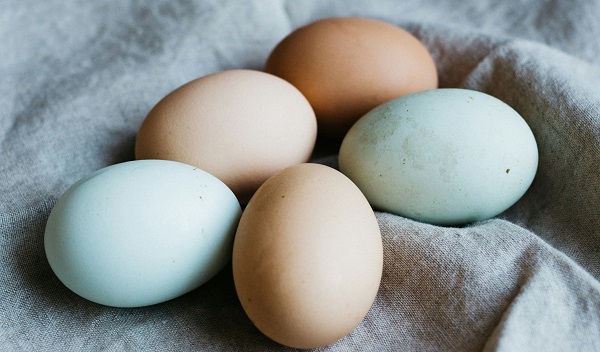
  • Eggs: Recent studies suggest that eggs, in moderation, may not significantly impact cholesterol for most people. However, if you have high cholesterol or are particularly sensitive, you may need to limit them. (Chris here: some of my favorite foods, eggs have 187 mg of cholesterol in one egg and shrimp has 189 in 100 grams which is about 3 large shrimp or 20 small shrimp. No worries about liver, I am not a fan.)
  • Red Meat: It’s best to reduce consumption of red meat due to its high saturated fat content. Lean cuts and moderation can be key.

Balancing a heart-healthy diet with regular exercise is the most effective strategy for lowering cholesterol  with diet and exercise naturally.

For now, my dog Peanut will be enjoying the yokes of my eggs.

Some people have tried various supplements to try to lower cholesterol numbers with varying degrees of success.  Things like red yeast rice, niacin B3, or Omega-3 Fatty Acids (fish oil.) Supplements should be used carefully as they are not regulated by the FDA and also may have unintended interactions or side effects.

I am visiting my doctor later this week for a six month update and am eager to see how my progress toward lowering my numbers through diet and exercise has been.

Have you had success in managing your cholesterol levels through diet and exercise? Please consider sharing your experience in the comments below. Any delicious cholesterol-lowering recipes are welcome!

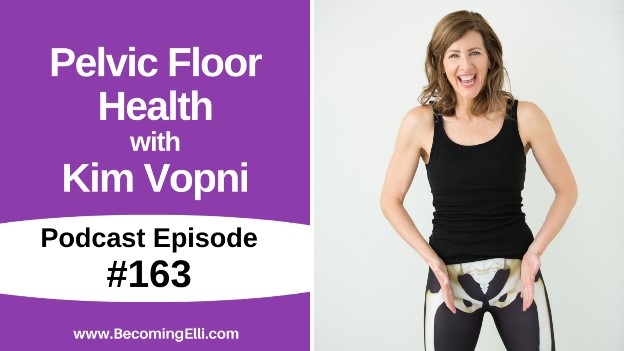
Pelvic Floor Health with Kim Vopni

163 – Pelvic Floor Health with Kim Vopni

Download | Play in New Window

In episode 163, Jill and Chris talk with Kim Vopni, a leading authority in health & fitness coaching for women with pelvic floor dysfunction and is known as The Vagina Coach.

She has helped thousands of women learn how to do pelvic floor exercises, ditch the incontinence pads,  eliminate their prolapse symptoms and get back to living life to the fullest!

Kim is a certified fitness professional who became passionate about spreading information on pelvic health when she was pregnant with her first child.  She is the author of 2 books – Prepare to Push – What Your Pelvic Floor and Abdomen Want You To Know About Pregnancy and Birth and a second title Your Pelvic Floor – The Inside Story.

Kim is the founder of Pelvienne Wellness Inc and co-founder of Bellies Inc. She is also the founder of Kegels and Cocktails™ – a women’s health event designed to empower and educate women on the importance of pelvic health.

We discuss:

  • What constitutes the pelvic floor group of muscles and how we can train that group of muscles
  • How we can reverse incontinence caused by hormonal changes, pregnancy, childbirth
  • Kegels and other exercises that strengthen the pelvic floor
  • Food and supplements that help
  • How to prepare for pelvic surgery
  • Why she goes by the name of The Vagina Coach
  • How she helps women overcome incontinence and organ prolapse
  • How you can train your bladder to wait longer (and sleep through the night!)

Links

Please Subscribe to the Fit Strong Women Over 50 podcastApple Podcasts  (iTunes) Google Podcasts | Pandora | Stitcher | Player FM Castbox | Tunein | Spotify | RSS | Amazon Podcasts | iHeartRadio |


Looking Back at Our Veggie Challenges

Chris recently posted about how eating more vegetables helps her maintain her weight and included some information about roasting zucchini. For some reason that made me think about some of our earlier posts about vegetables so I decided it was time for looking back at our veggie challenges.

If you enter Veggie Challenge in the search field, a lot of entries come up. Scrolling through the search results, I realized we have a lot of great ideas on how to get more vegetables onto our plates.

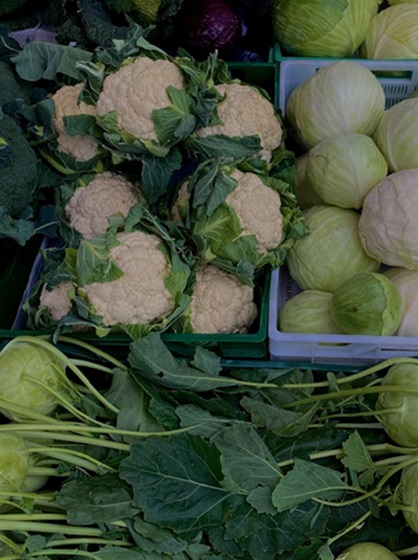
I found a recipe for a kohlrabi slaw that I made in 2019. Five years ago so I guess that’s why I forgot all about this dish but it sounds good. I need to make it again. It’s basically kohlrabi and apples chopped into matchstick sized pieces with a vinegar and oil dressing.

As I continued looking back at our veggie challenges, I found a post about making a watercress salad. The salad looks great and I remembered that a doctor recommended that I eat more watercress because I think it helped with digestive enzyme issues.

Chris and I are big fans of cabbage apparently because we’ve both posted plenty about it. Cabbage is a versatile vegetable so if you’re looking for ideas on using it, do a search on our website.

Besides maintaining weight, vegetables are good for getting fiber into our diets and provide a wide range of vitamins and minerals. For example, that watercress I mentioned includes calcium as well as plenty of other vitamins.

It was kind of fun looking back at our veggie challenges. This year (2024) we did a Eat the Rainbow challenge. Several of us struggled with getting all of the colors (curses, you blue/purple veggies!) I haven’t discussed it with Chris yet but perhaps we’ll repeat the Veggie Challenge in 2025. I’m sure we can all come up with even more creative ideas on getting in our vegetables.

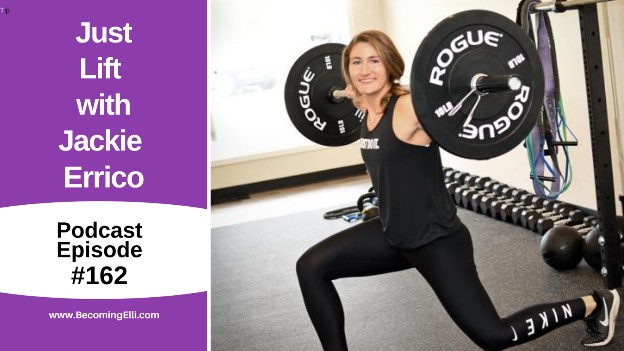
Just Lift with Jackie Errico

Just Lift with Jackie Errico #162

Download | Play in New Window

Jill and Chris talk with Jackie Errico, a nationally certified strength and conditioning coach, a certified personal trainer, and co-owner of Just Lift Fitness training studios located in the Chicago area.

Jackie focuses on helping women gain confidence in their bodies. She educates women on the physical and mental benefits of strength training and how to fuel bodies with the right food; teach them how to lift weights properly and safely; and help them create a fitness and nutrition game plan so that they can achieve the results they deserve.

We discuss:

  • Why it’s so important for women to do strength training
  • How women’s fitness needs differ from men’s
  • Common misconceptions women have about working out and lifting weights
  • The importance of knowing your “WHY” for working out
  • Her advice on fueling our bodies with the right food
  • Dietary tips she recommends for doing strength training Ideas for women over 50 to get enough protein
  • How she works with women online at her Chicago area gym

Links:

Please Subscribe to the Fit Strong Women Over 50 podcastApple Podcasts  (iTunes) Google Podcasts | Pandora | Stitcher | Player FM Castbox | Tunein | Spotify | RSS | Amazon Podcasts | iHeartRadio |

Keeping the Weight Off with Fresh Veggies

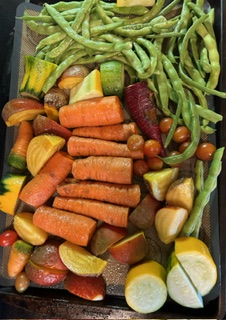
I love veggies from the garden. I know it is helps me in keeping the weight off. My favorite is roasted vegetables.

After losing a significant amount of weight between 2007 and 2012,  I’ve been working on keeping the weight off and staying fit and strong. For those that listen to the podcast and are part of the Becoming Elli community, it comes as no surprise that one of my “secrets” for keeping the weight off is by eating lots of vegetables.

If you haven’t heard our “story” before, you may want to listen to our 3rd podcast episode called: Turning 50 and getting fit

keeping the weight off

I slice the zucchini in half and then length wise

keeping the weight off

Trying to keep them a uniform size is a good idea because they will cook evenly.

keeping the weight off

I just reused the matt that I used from cooking the other vegetables. I lightly sprayed them with extra virgin olive oil spray and lightly salted.

keeping the weight off

My stove works well at 375 degrees for 25 minutes on the first side. Flip once and roast again for 10 more minutes. Delicious!!

What’s your favorite way of roasting vegetables? Temperature, baking sheet? Olive oil? Do you use salt? I’m always looking for ways to make it more healthy and more delicious!

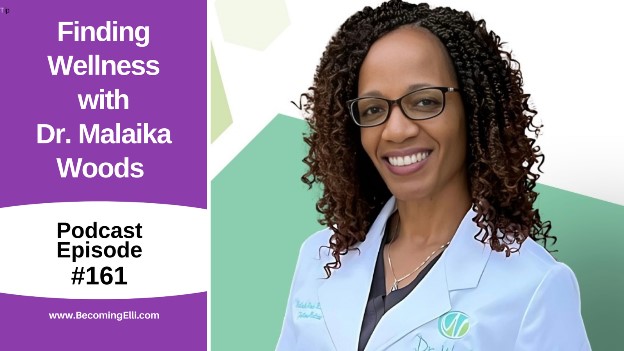
Finding Wellness with Dr. Malaika Woods

# 161 – Finding Wellness with Dr. Malaika Woods

Download  | Play in New Window

We had a great conversation in this episode with Dr. Malaika Woods who is a Certified Practitioner for the Institute for Functional Medicine and has a Double Board Certification with both the American Board of Obesity Medicine, and American Board of Obstetrics & Gynecology.

Dr. Woods is the founder of Dr. Woods Wellness, established in 2013.  When not working in the office, Dr. Woods enjoys singing, especially gospel music. She has been a choir director throughout the years and a wedding singer for many of her family and friends. Spending time with her wonderfully supportive husband, daughter and son are her most treasured moments.

She is a native of Wichita, Kansas and earned her Bachelor’s degree, with cum laude distinction, from Wichita State University. She completed her Doctorate of Medicine and Masters of Public Health degrees from the University of Kansas School of Medicine. Dr. Woods completed her residency in Obstetrics & Gynecology at the University of Missouri–Kansas City.

We discuss:

  • why she decided to get into both integrated functional medicine and weight loss from
  • how to find a functional medicine doctor and how they are different than other types of doctors
  • the relationship of replacement hormones and cancer (and the misunderstandings about it)
  • when to consider bioidentical hormone replacement therapy
  • the effects of menopause on weight loss
  • her advice for women 50 and over for losing weight
  • what she thinks about the new weight loss medications
  • how she helps her clients lose weight

In Finding Wellness with Dr. Malaika Woods, we mention these links:

Her website: https://drwoodswellness.com/

Her free report to: kick fatigue to the curb, lose that stubborn belly fat, and ignite your fire in the bedroom

Please Subscribe to the Fit Strong Women Over 50 podcastApple Podcasts  (iTunes) Google Podcasts | Pandora | Stitcher | Player FM Castbox | Tunein | Spotify | RSS | Amazon Podcasts | iHeartRadio |

Improving our Podcast Outreach

Many of our readers found us through the Fit Strong Women Over 50 podcast. We’ve been publishing it since 2018 a couple times each month and recently released our 160th episode.

In a way to learn more, stay current and keep on keeping on with the podcast and Becoming Elli community, we are attending the Podcast Movement conference. Here we are finding out that there are many ways to use all the technology but it seems like sharing ideas with other podcasters in person is a great way to keep getting re-energized.

In the near future, Jill and I plan to survey our readers and listeners to learn more about what you like, what you’d like to learn and how we can improve our content and outreach.

We know we are doing somethings very right.

I was reminded about one of the podcast measuring tools, www.listennotes.com, that we learned about in 2023 at the Podcast Movement conference.  In the last 12 months, our podcast has moved up a little bit and now Listen Notes has the podcast ranked at a listen score of 38 and rank of 2%.

I’m still not exactly sure what that means, but I really liked this embedded app that allows you to listen and share the podcast episodes easily.  Click through to see what I mean.


There are many ways to use this website. Please let me know of your listening experiences with Listen Notes by leaving a comment below, thanks!

« Older posts Newer posts »

© 2026 Becoming Elli

Theme by Anders NorenUp ↑