One of the first things people ask when you go vegetarian is, “But where do you get your protein?” It’s like they think protein only exists in chicken nuggets and steak. Spoiler alert: it doesn’t! There’s actually a whole world of delicious, protein-packed foods that don’t involve any animals whatsoever.
I’m not actually vegetarian so I don’t get asked this question but I’ve been told this is a common question. I’ve also heard people say they can’t go vegetarian because they can’t get enough protein. I don’t think that’s true. I’m trying to include more plants in my daily diet and that includes getting protein. I know there are plenty of protein sources that don’t include animals. Chris and I have discussed protein and written about it on the blog. I’m not sure we’ve ever focused completely on vegetarian protein.
Let’s start with the obvious superstar: beans and legumes. Black beans, chickpeas, lentils, and kidney beans are basically nature’s protein pills. A cup of cooked lentils gives you about 18 grams of protein, which is comparable to a serving of chicken or hamburger or three eggs. Plus, beans and legumes are incredibly versatile and can be used in a variety of ways. Throw chickpeas into a curry, make a hearty lentil soup, or mash up some black beans for killer veggie burgers.
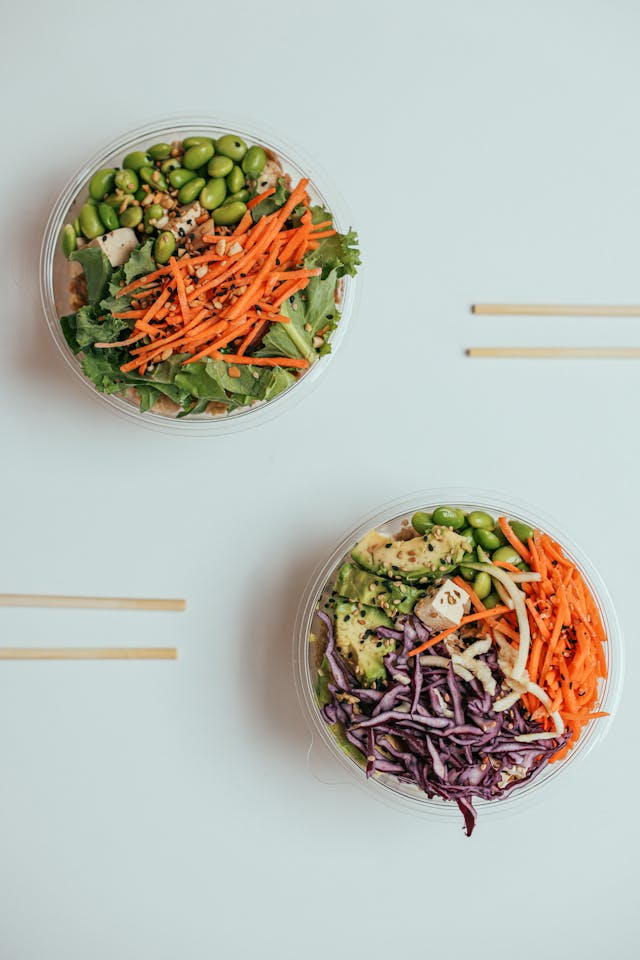
Then there’s quinoa, the grain that thinks it’s a complete protein (and technically, it is). Unlike most plant proteins, quinoa contains all nine of the essential amino acids that your body needs. It’s like the overachiever of the grain world. Cook it up as a side dish, toss it in salads, or use it as a base for Buddha bowls.
Don’t ignore nuts and seeds either. Almonds, peanuts, hemp seeds, chia seeds – they’re all packing serious protein punch. Two tablespoons of peanut butter gives you about 8 grams of protein, which makes your morning toast feel a lot more substantial. I often skip nuts and seeds because they’re also calorie dense but a reasonable portion is a good source of protein and makes for a nice snack or addition to your salad.
Tofu and tempeh deserve their own shoutout. I know, I know – tofu gets a bad rap for being bland, but that’s actually its superpower. It takes on whatever flavors you throw at it. Marinate it, fry it, scramble it, or blend it into smoothies. Chris has told us on the podcast how much she enjoys tofu. She admitted that she is now able to eat it plain as a snack.
Tempeh, tofu’s fermented cousin, has a nuttier flavor and even more protein. You can use it as a meat substitute in sandwiches and salads.
Even some vegetables are surprisingly protein-rich. Spirulina, nutritional yeast (it’s cheesier than it sounds), and even regular old spinach contribute to your daily protein goals.
The truth is, as long as you’re eating a varied diet with plenty of whole foods, getting enough protein as a vegetarian isn’t rocket science. Your body is pretty smart about combining different protein sources throughout the day to make sure you’re getting everything you need.
So the next time someone asks about your protein intake, you can smile and tell them about your amazing lentil dal or that incredible tempeh stir-fry you made last week.